



Quick answer: The Bideli 2kg is the best all-around small-business roaster for most nano-roasteries: double-walled drum, manual damper, USB data logging, and enough capacity for a real production schedule. Budget operations running fluid-bed should look at the Coffee Crafters Valenta 3 (up to 21 lbs/hour, UL certified). Expect to spend $2,500 to $20,000+ for a commercial-grade machine.
Your first commercial roaster will shape your workflow, your output ceiling, and honestly how much you enjoy showing up to roast every day. Get it wrong and you're either fighting a bottleneck or shopping for a replacement inside three years. Four machines from the CoffeeRoast Co. commercial roaster lineup are worth a serious look — each one built for a different kind of operation.

Best Overall: Bideli 2kg Coffee Roaster
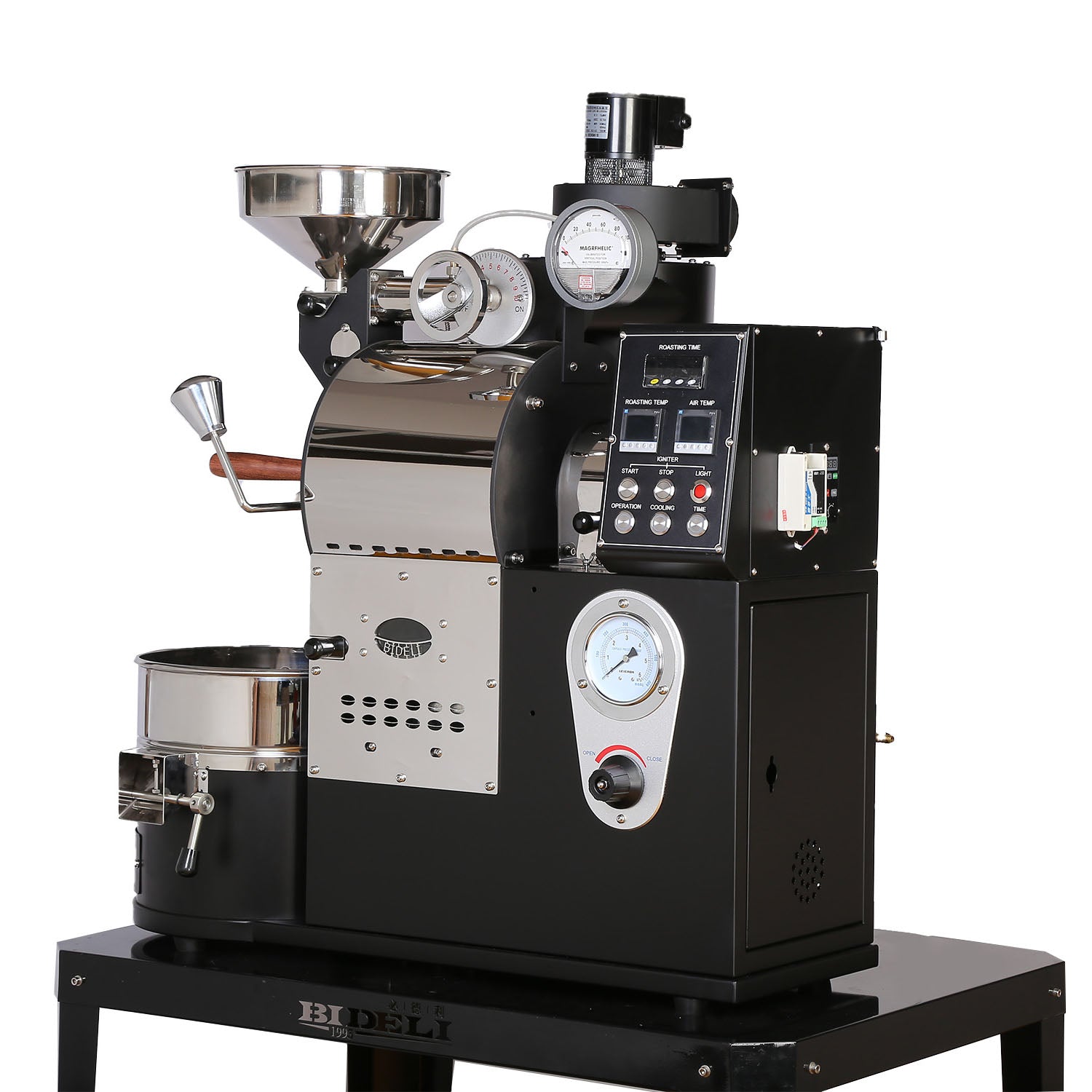
The Bideli 2kg earns the top slot because it gives you genuine roasting control without assuming you've spent years in a production facility. Most people buying at this level aren't career roasters yet — and this machine is built with that reality in mind.
The detail worth paying attention to is the double-walled drum. A single-wall drum bleeds heat unevenly: your first few batches of the day roast differently from your tenth as the metal slowly stabilizes. The double-wall holds thermal mass more consistently, so batch one and batch twenty behave the same way. When you're still building your profiles, that repeatability is worth more than any spec sheet item.
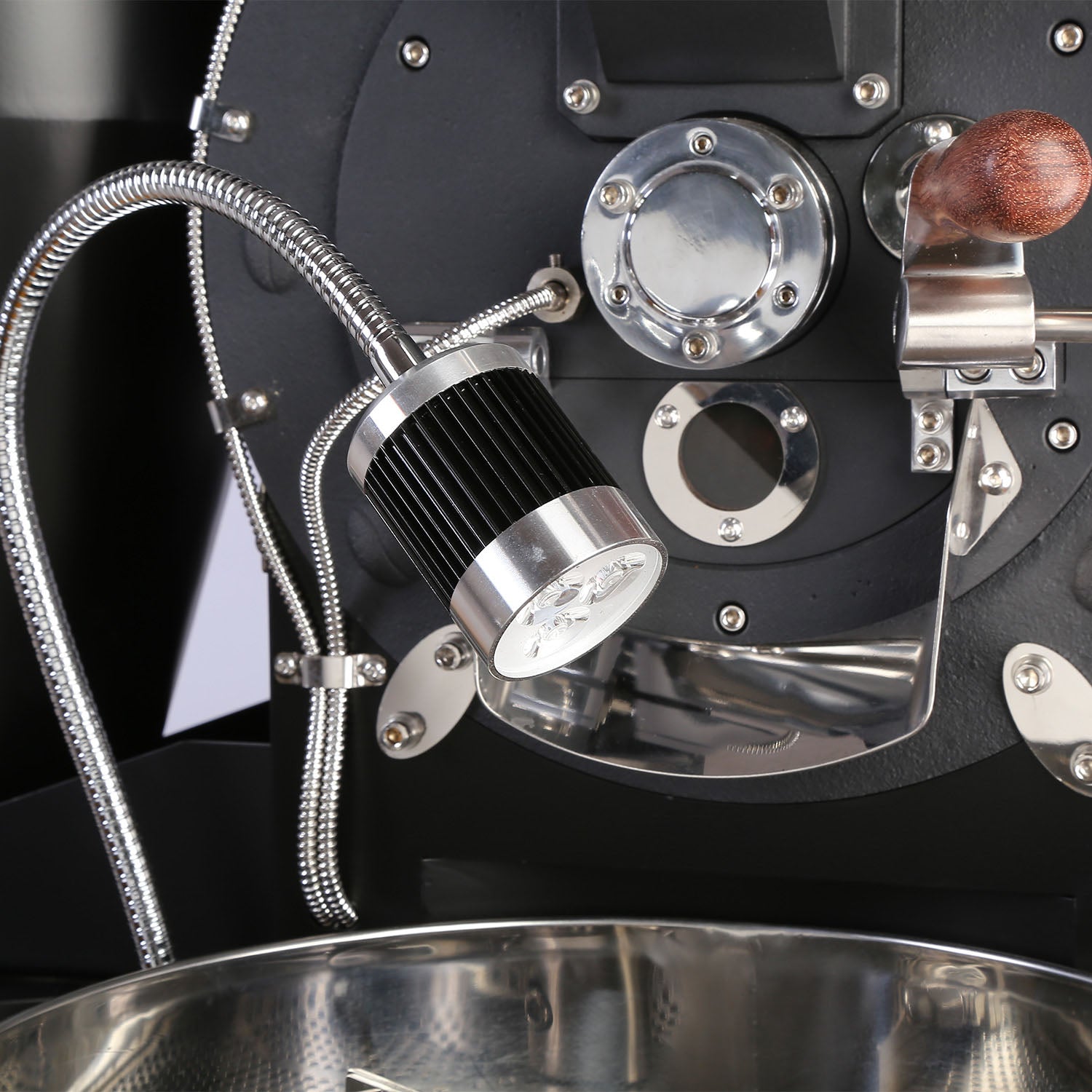
The manual damper lets you adjust airflow mid-roast. Open it and you're pulling smoke and moisture out faster, pushing the cup toward a cleaner, brighter profile. Close it and heat lingers, building body and roast character. The USB data logging connects directly to Artisan, which records every roast as a temperature-over-time curve with every adjustment you made. After twenty batches you'll have an actual map of what's working — and that's not optional for a business roaster. It's how you stop guessing and start repeating.
Independent cooling and roasting cycles let you cool the previous batch while you're loading the next one, which keeps your production rhythm tight. The control panel is approachable enough for a new hire to get comfortable in a morning session, and maintenance access panels mean part swaps don't require disassembling the whole unit.
One honest caveat: the Bideli 2kg is on the smaller end of commercial capacity. If you're planning to scale past a few hundred pounds a week in the next year or two, size up now rather than replacing the machine once you've outgrown it.
Is the Coffee Crafters Valenta 3 the Best Budget Pick?

For most café owners who need volume without complexity, yes. The Coffee Crafters Valenta 3 is a fluid-bed roaster with a throughput number that surprises people: up to 21 lbs per hour, with roast cycles running 6 to 10 minutes. Batch sizes range from 200 grams up to 3 pounds, so you can run a sample roast and a full production batch on the same machine without swapping equipment. It's UL certified for commercial use, which matters when you're dealing with insurance requirements or negotiating a commercial lease.
Fluid-bed machines move hot air through the beans rather than tumbling them in a drum. That produces a cleaner, brighter cup that lets a bean's natural character come through, and they're genuinely easier to clean than drum roasters. The trade-off is real: if you're trying to develop a heavy, body-forward profile for a natural-processed Ethiopian or a Brazilian espresso blend, the fluid-bed is working against you. Drum roasters handle that kind of complexity better.

For a café roasting washed single-origins or a straightforward house blend, that trade-off is entirely workable. The Valenta 3 comes with a 3-pound external bean cooler and chaff collector, so you're getting a complete system out of the box. Compared to the Bideli and Santoker, you're trading profile depth and batch ceiling for speed and simplicity. If your barista is also your roaster and doesn't have hours to spend dialing in roast curves, that's a reasonable deal. The air vs. drum roaster comparison guide covers the full trade-off breakdown if you're still deciding between the two approaches.
Most Consistent: Santoker R1.5 Pro Automatic Coffee Roaster (2kg)
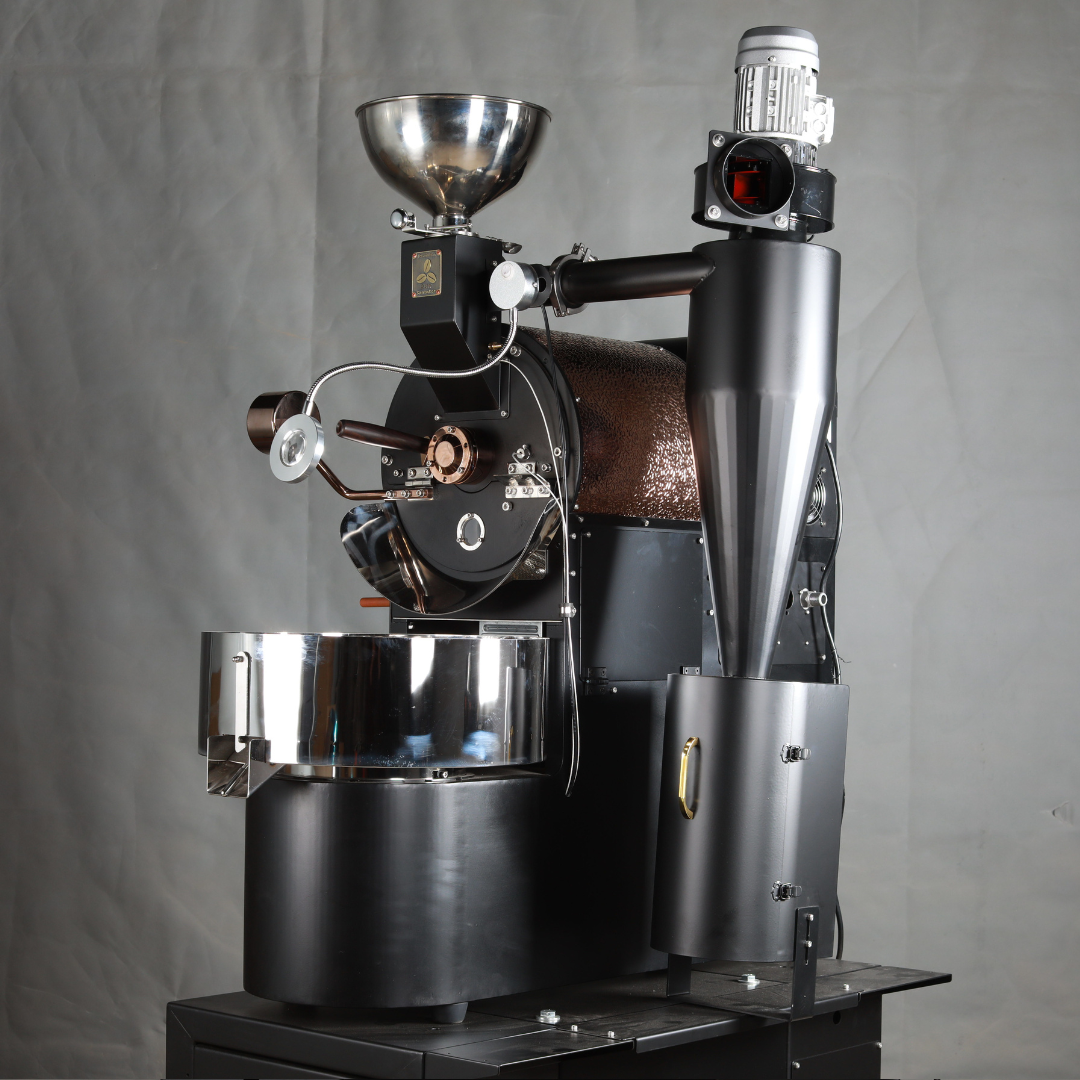
The Santoker R1.5 Pro comes in manual and automatic versions. The automatic is the one that earns a spot on this list. It runs a PLC control panel that executes saved roasting profiles without anyone standing over it, and handles batches from 500g up to 2,000g — enough range to run samples and production on the same machine.
What "most consistent" actually means in practice: the automated temperature control follows your saved roast curve the same way every single time. A busy morning or a distracted employee won't degrade the roast. If you're supplying wholesale accounts, that repeatability is what keeps contracts. Wholesale buyers notice batch-to-batch variation before you do.
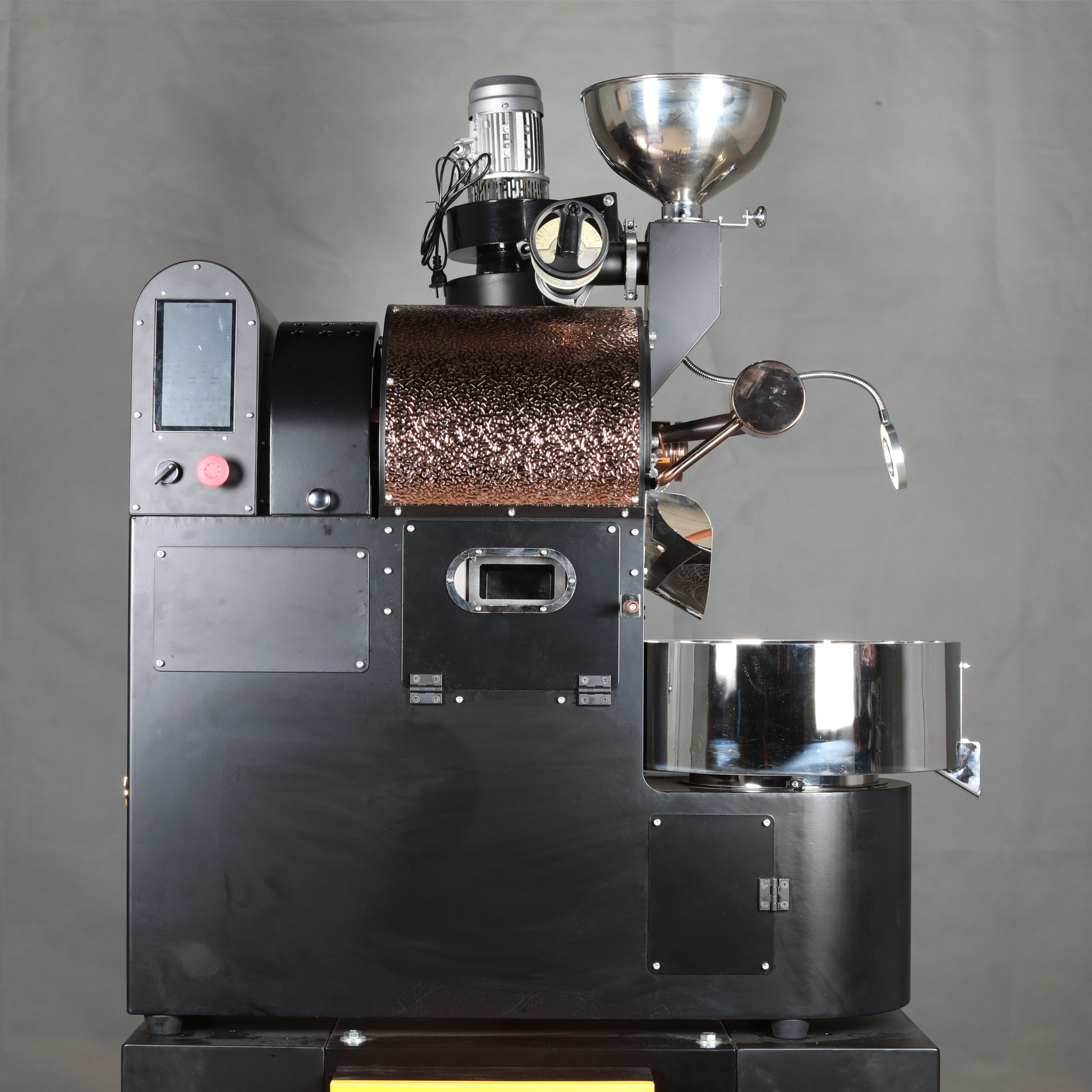
Worth knowing about PLC automation: it repeats whatever you give it, perfectly. If your starting profile is off, the machine executes that mistake with total fidelity, batch after batch. You still need a skilled roaster to build and dial in your profiles at the start. Once those curves are solid, though, you could train a non-specialist to run daily production — and that's a real staffing advantage as you scale.
Best for Cost Savings: Golden Roasters GR1+ Commercial Coffee Roaster

The Golden Roasters GR1+ is a 1kg countertop roaster with a PLC controller as standard. It's sized for coffee shops and sample roasters who need something that fits on a counter, looks good on a retail floor, and runs efficiently enough to keep operating costs manageable across years of use.
The thermally insulated body reduces heat loss during roasting, which translates directly to lower gas consumption per session. The built-in gas cutter reduces waste and adds a safety layer that matters in a shared commercial space. The cooling tray finishes a batch in about 3 minutes, keeping your per-batch cycle tight without a separate standalone cooler. Component sourcing is worth noting: the GR1+ uses Schneider, Siemens, and Panasonic parts throughout, which means replacement components aren't proprietary or hard to source when something eventually fails.
The RAL color painting and laser-printed logo customization are a minor point for most buyers, but if the roaster sits in a visible retail space where it's part of your brand presentation, they're worth knowing about. There's also a Mini 1kg configuration for even tighter footprints.
The honest limitation: 1kg is a sample roaster and a showcase roaster. At 75% capacity utilization across multiple daily batches, you can produce 8 to 12 lbs of roasted coffee per day. If your café moves more than that, or if you're roasting for wholesale accounts, you'll outgrow this machine quickly. The Bideli or Santoker at 2kg is the better fit for a real production schedule.
What Should You Look for in a Small-Business Coffee Roaster?
This purchase will shape your operation for years, and you'll feel the wrong choice every roasting day. Commercial-grade small-batch roasters start around $2,500 and run past $20,000 for machines with serious automation and capacity. Budget the equipment price, plus installation, plus whatever gas permitting or electrical upgrades your space requires before you roast your first batch.
Drum vs. fluid-bed: which type fits your operation?
Drum roasters are the production standard. A rotating cylindrical drum holds the beans while a gas burner or electric element does the work. Heat transfers by conduction from bean-to-drum contact, by convection from hot air moving through the drum, and by radiation from the drum walls — a combination that produces more body and developed Maillard complexity than a fluid-bed typically achieves at the same roast level. For a signature espresso blend or a natural-processed origin, the drum is your tool.
A double-walled drum with a strong burner gives you faster roasts, fewer defects, and more control over your development window. Single-walled drums are cheaper but harder to manage in the 195 to 205 degrees Celsius first-crack range where most critical flavor development happens.
Air roasters heat up fast, clean up easily, and produce a cup that shows a bean's inherent character: clean and transparent. They're a smart choice for a café roasting washed single-origins without a dedicated roaster on staff. Their practical ceiling at the commercial entry level is around 3 lbs per batch, which limits total hourly output.
Gas or electric: which heat source is right?
Gas responds faster to mid-roast adjustments and costs less upfront — it's the standard in most production roasteries. You'll need a gas supply, proper ventilation, and local permits. Electric roasters cost more to buy, run cleaner, and skip the gas permitting entirely. If your space can't accommodate a gas line, such as a shared building or a leased café floor, electric is often your only compliant option.
How much capacity do you actually need?
The practical range for small-business roasters is 1 to 3 kg (2.2 to 6.6 lbs) per batch. At that size, you can run sample and production batches on the same machine without burning through green coffee. Run the machine at about 75% of its rated capacity for consistent quality. Plan for green beans losing 10 to 20% of their weight during roasting, so your green purchase weight needs to be meaningfully higher than your roasted output target.
If you're roasting for a single café location, estimate your weekly roasted-coffee usage, divide by your planned roasting days, then size the machine at 125 to 150% of that daily figure. Build room to grow into the machine rather than out of it.
Which features actually move the needle?
On any drum roaster, three controls determine your range: burner intensity, drum speed, and airflow damper. A machine that lets you adjust all three independently gives you full roasting control. Fix any one of those variables and you lose the ability to develop distinct profiles. That's not a minor limitation.
Roasting software compatibility matters more than most first-time buyers expect. Artisan is the open-source standard; it works with most commercial roasters that offer USB or Bluetooth data output, including the Bideli 2kg. Cropster is the paid alternative used by larger operations managing wholesale lot tracking. Start with Artisan and you'll have solid batch records long before you need Cropster's cloud features.
Other features worth having: an integrated cooling tray (stops development fast and locks in peak flavor), a chaff collector (silver-skin buildup is both a cleaning problem and a fire risk), and smoke suppression if you're roasting indoors in a shared building. Wireless connectivity, smartphone apps, and custom aesthetics are nice to have. Don't let them drive the decision.
Size, noise, and placement
Leave 18 to 24 inches of clearance around the machine for air circulation and operator access. Most commercial drum roasters run 60 to 80 dB during operation, which is fine in a dedicated production space but worth thinking through if you're roasting during café service hours. If the roaster is visible to customers, both the GR1+ and the Santoker present well in a retail environment.
Frequently Asked Questions
What is the best coffee roaster for a small café that wants to roast in-house?
For a café roasting washed single-origins or a house blend in small batches, the Coffee Crafters Valenta 3 is hard to beat: fluid-bed, up to 21 lbs/hour, UL certified, and budget-accessible. If you want more profile control and plan to develop signature roasts over time, step up to the Bideli 2kg drum roaster. The decision comes down to whether you need volume and simplicity or versatility and depth.
How much does a commercial-grade small-batch coffee roaster cost?
Budget $2,500 to $20,000+ for a machine suited to small commercial use. That range covers entry-level fluid-bed systems through 2kg automated drum roasters with PLC controls. Add installation, any gas-line work, and ventilation upgrades on top of the equipment price, since those costs catch many first-time buyers off guard.
What is the difference between a drum roaster and a fluid-bed roaster for small business?
Drum roasters transfer heat through conduction, convection, and radiation, producing more body and Maillard complexity. They're better suited to espresso blends and natural-processed origins. Fluid-bed roasters move hot air through the beans, producing a cleaner, brighter cup with faster cycle times and easier cleanup. Most production-focused small businesses use drum roasters; cafés with simpler menus often prefer the fluid-bed's speed.
Should I buy gas or electric for a small coffee roasting business?
Gas gives you faster temperature response and lower ongoing operating costs, and it's the standard in most production roasteries. Electric is cleaner, requires no gas permitting, and is the practical choice if your space can't accommodate a gas line. For in-café roasting in a shared building, electric is often the only compliant option.
How do I size a coffee roaster for my production needs?
Estimate your weekly roasted-coffee usage, divide by your planned roasting days per week, then choose a machine rated at 125 to 150% of that daily figure. Run the machine at about 75% of its stated capacity for consistent quality. Green beans lose 10 to 20% of their weight during roasting, so your green purchase weight needs to be higher than your roasted output target.
What roasting software works with small commercial roasters?
Artisan is the open-source industry standard and works with most commercial roasters that offer USB or Bluetooth data output, including the Bideli 2kg. Cropster is the paid alternative used by larger operations and wholesale roasters who need cloud-based lot tracking. Start with Artisan; move to Cropster when you're managing enough SKUs that lot traceability becomes a daily operational need.
Can a 1kg roaster support a small coffee business?
A 1kg roaster like the Golden Roasters GR1+ works well for sample roasting, menu development, and low-volume in-café roasting. At 75% capacity utilization across multiple daily batches, a 1kg machine can produce 8 to 12 lbs of roasted coffee per day. If your café moves more than that, or if you're supplying wholesale accounts, you'll need a 2kg or larger machine.
What is the minimum batch size for consistent commercial roasting?
Most commercial drum roasters maintain consistent quality at a floor of 30 to 40% of their rated capacity. On a 2kg machine, that's roughly 600 to 800g minimum per batch. The Coffee Crafters Valenta 3 fluid-bed system accepts batches as small as 200g, making it the most flexible option here for running small sample batches alongside production roasts.
Key takeaways:
- The Bideli 2kg drum roaster is the best all-around choice for most small commercial operations: double-walled drum, manual damper, USB data logging, and genuine profile control.
- Budget operations should look at the Coffee Crafters Valenta 3 fluid-bed system: up to 21 lbs/hour, UL certified, 200g to 3 lb batch flexibility, complete cooling and chaff system included.
- The Santoker R1.5 Pro automatic is the right pick when batch-to-batch consistency is your top priority, particularly if you're supplying wholesale accounts where variation costs you contracts.
- Size your machine at 125 to 150% of your current daily production target, run at 75% rated capacity, and account for 10 to 20% green-to-roasted weight loss in your purchasing math.
- CoffeeRoast Co. carries the full commercial roaster lineup with financing options available on the equipment investment.


quentin trevor Campbell
%月 %日, %年
looking for a coffee roasting machine for my small coffee roasting company im starting in my home