


Quick answer: Green (unroasted) beans keep 2 or more years in proper storage. Roasted whole beans hit peak flavor 4 to 14 days after roasting and stay drinkable for up to a year depending on packaging. Freshly ground coffee is best brewed within 15 to 30 minutes of grinding and goes flat within a week. Storage method matters as much as time.
If you've ever cracked open a bag that was clearly past its window, you already know: stale coffee isn't just disappointing. It's a waste of good beans. The shelf life question is real, and the answer is different depending on whether you're talking about green beans, roasted whole beans, or pre-ground.
Shelf life by bean type
The form the bean takes (green, roasted whole, or ground) is the single biggest variable in how long it stays good. Roast level and packaging are secondary but still meaningful.
| Coffee form | Peak flavor | Still good until | Best storage |
|---|---|---|---|
| Green (unroasted) beans | Stable for months | 2+ years | Cool, dry, dark, airtight |
| Roasted whole — unopened | 4–14 days post-roast | ~6–12 months | Sealed one-way-valve bag |
| Roasted whole — opened | 4–14 days post-roast | 2–4 weeks | Airtight, opaque, room temp |
| Ground coffee | Within 30 min of grinding | 1–2 weeks | Airtight; grind to order |
| Instant coffee | — | 2–20 years | Sealed, dry, cool |
Green (unroasted) coffee beans
Green beans are the seeds of the coffee cherry before any heat is applied. Because they haven't been roasted, they're far more stable than roasted coffee. Kept cool, dry, and away from light, green beans hold for 2 or more years without meaningful flavor loss.

Green beans are why most home roasters keep a healthy supply on hand. You roast small batches on demand rather than racing to use a big bag of pre-roasted coffee before it turns. That's exactly the workflow CoffeeRoast Co. is designed to support.
Roasted whole coffee beans
Once beans come out of the air roaster or drum roaster and finish degassing (24 hours to a few days, depending on roast level), the freshness clock starts. Flavor and aroma peak between 4 and 14 days post-roast for most origins. Some beans, particularly dense naturals from Ethiopia or Brazil, are at their finest in the third or fourth week.
Packaging makes a big difference after that:
- Store-bought bag, unopened: best within 6 weeks of roast date
- Store-bought bag, opened: use within 2 to 3 weeks
- Vacuum-sealed bag, never opened: 2 to 3 months
- Nitrogen-flushed bag with one-way valve, unopened: up to 12 months
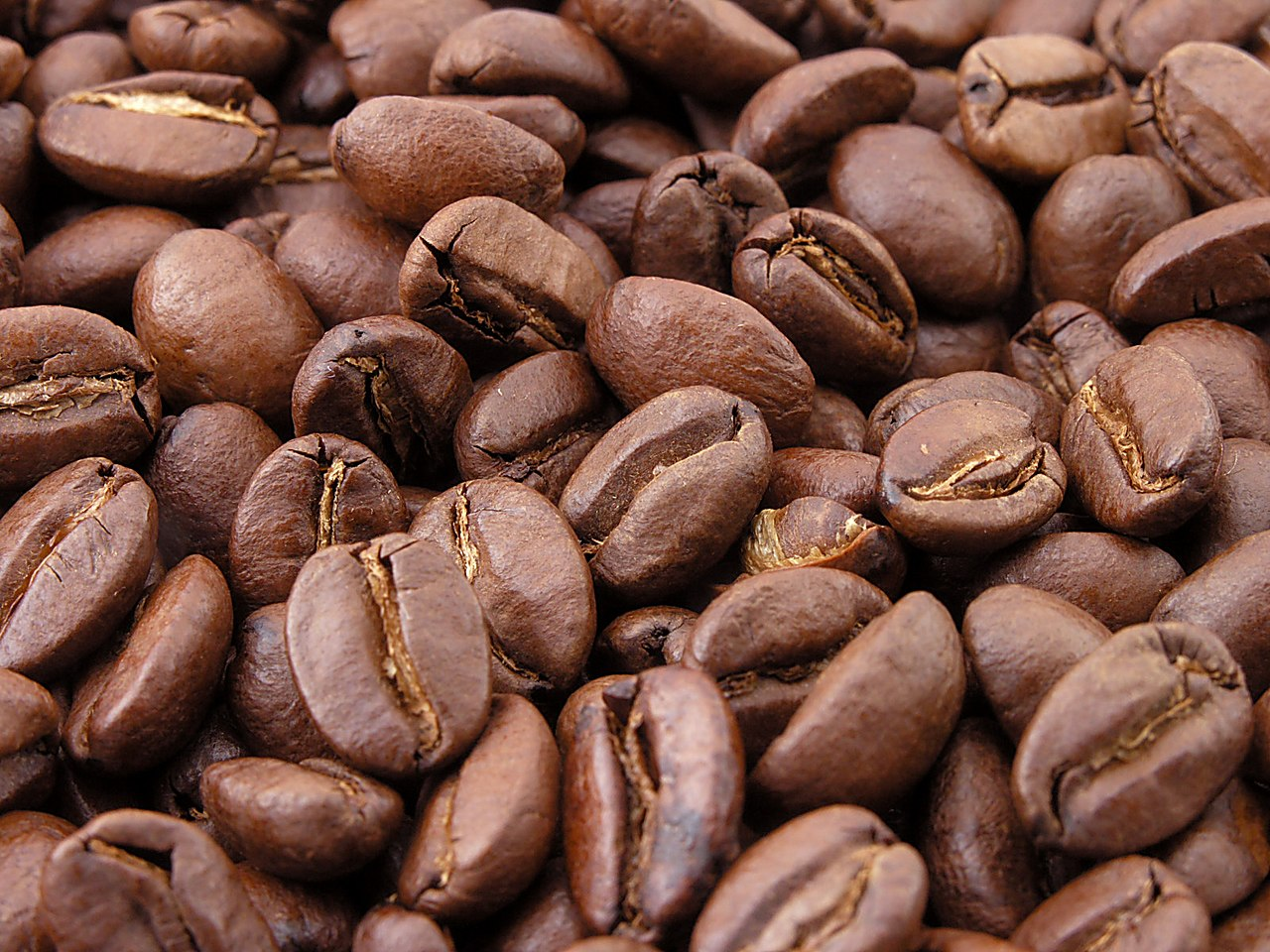
Worth knowing: darker roasts oxidize faster than light roasts. The roasting process makes cells more porous, so dark-roasted beans off-gas CO2 and absorb oxygen more readily. Light-roasted beans from a single origin typically hold their flavor longer. This is one underappreciated reason specialty roasters favor lighter profiles.
Ground coffee
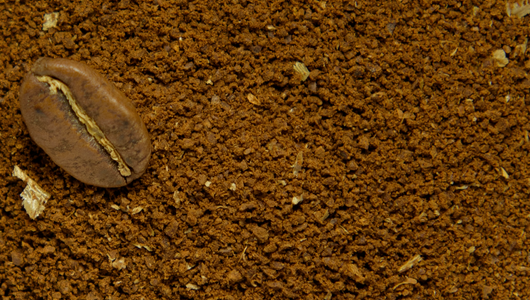
Grinding dramatically increases the surface area exposed to oxygen, heat, and moisture. Ground coffee is best brewed within 15 to 30 minutes of grinding for full flavor. It'll still taste acceptable for up to a week. Properly sealed, pre-ground coffee can be kept for 2 to 5 months, but don't expect the cup to match what you'd get from freshly ground beans.
Arabica beans are generally more susceptible to environmental degradation than Robusta, which means they go stale a bit faster under the same conditions.
Where and how to store coffee beans
Good storage isn't complicated, but a few common habits will quietly ruin perfectly good coffee.
Containers that actually work
Green beans arrive in hermetically sealed bags. Once you open them, transfer to a burlap sack or breathable container. Green beans need to breathe a little, unlike roasted.
Freshly roasted beans go straight into a one-way valve bag. The valve lets CO2 escape during degassing without letting oxygen in. Once degassing is complete (usually 24 to 72 hours), move the beans to an opaque, airtight container. A lidded stainless steel canister works well. A clear Mason jar does not, because light accelerates staling.
For longer storage, vacuum-seal bags outperform everything short of nitrogen flushing. As a quick hack, a zip-lock bag with all the air squeezed out (plus an oxygen absorber sachet) gets you most of the way there. Nitrogen-flushed bags are what professional roasters use for a reason: no oxygen contact until you crack the seal.

Location
Keep beans away from heat sources, direct sunlight, and steam. A sunlit countertop, a cabinet over the stove, and the shelf next to a kettle are all bad choices for the same reason: repeated heat and light exposure accelerates oxidation. A cool, dark pantry is ideal.

Practical tips for keeping beans fresh
A few habits make more difference than any container upgrade.
- Buy whole beans, not pre-ground. Grind at home immediately before brewing. The flavor difference between beans ground 30 minutes ago and beans ground this morning is audible in the cup.
- Buy smaller, more frequent quantities. A 250 g bag every two weeks beats a 1 kg bag that sits open for a month. Stumptown and similar specialty roasters ship in 12 oz bags for exactly this reason.
- Invest in a burr grinder. Burr grinders produce a consistent particle size; blade grinders chop unevenly and generate heat that starts degrading the coffee before it even hits water. The grind consistency gap matters most for espresso and pour-over, where extraction is sensitive to particle size distribution.
- Grind only what you need per session. Pre-grinding a week's worth of coffee in advance defeats the purpose of buying whole beans.
- Check the roast date on every bag, not the "best by" date. The best-by date tells you little about when the coffee was roasted or when it peaked.
How to tell if coffee beans are stale
Your senses are accurate here. You don't need special equipment.
Smell first. Fresh roasted beans have a strong, distinctive aroma even through the bag. Stale beans give off little scent or a flat, papery smell. If you have to bury your nose in the bag to get anything, they're past their window.
Look at the surface. Natural oils rise to the surface of freshly roasted beans, giving them a slight sheen. Stale beans look matte and dull. This is a reasonable proxy for oxidation level, though very light roasts naturally have less oil on the surface to begin with, so don't penalize them for dryness.
Brew a cup and taste it. Stale coffee goes flat and papery, sometimes sour. If the cup is thin and lifeless with no sweetness in the finish, the beans have turned. A well-roasted, properly stored bean has a lingering aftertaste; stale beans drop off immediately.
Touch the grounds. Fresh grounds have a slight moisture to them from residual water in the bean. Old grounds are dry and powdery.
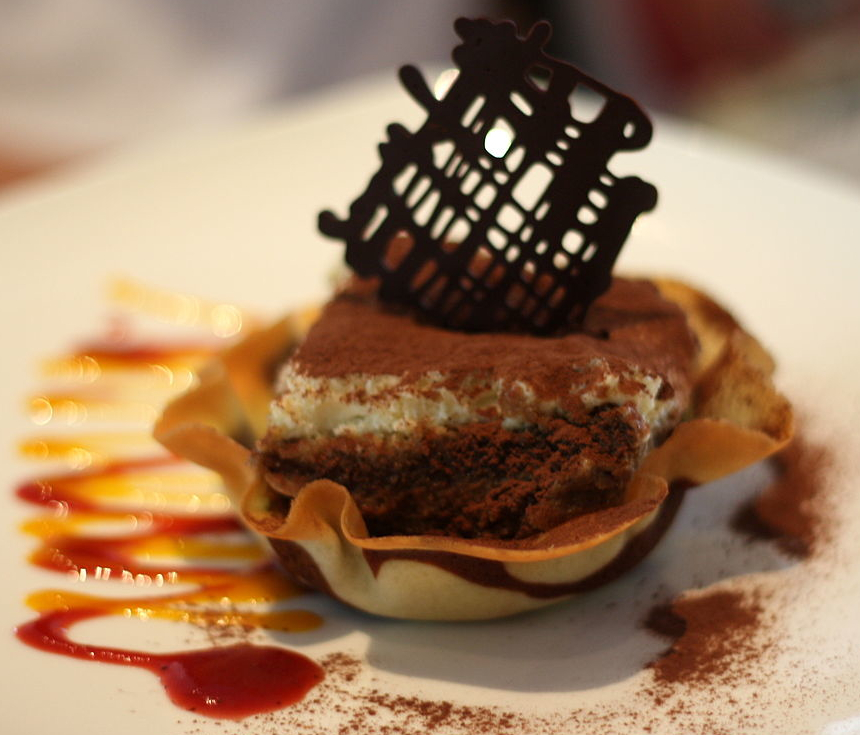
If your beans are stale but not moldy, you have options beyond the compost bin: cold brew (long extraction time compensates for weaker aromatics), coffee-rubbed meats, tiramisu or espresso desserts, or a garden fertilizer. Only bin them if there's visible mold or a genuinely rotten odor.
Frequently Asked Questions
Can you keep coffee beans in the fridge?
No. Refrigerators expose beans to moisture from condensation every time you pull them out into warmer air, and coffee absorbs surrounding odors easily (last night's leftovers included). Both effects accelerate staling. Pantry storage in a sealed opaque container is consistently better than refrigeration.
Can you freeze coffee beans?
Yes, with conditions. Portion the beans into single-use amounts before freezing and double-bag each portion. Thaw overnight at room temperature without opening the bag. Use within 5 to 7 days of thawing, and don't refreeze. The main risk is moisture from repeated freeze-thaw cycles, which degrades flavor faster than room-temperature storage. Some enthusiasts swear by freezing as a way to lock in freshness for beans they won't use for weeks. The key is portioning so you never thaw more than you need at once.
Do coffee beans go bad?
Yes, though not in the same way as bread or fruit. Coffee doesn't contain enough water to rot, but it oxidizes, and oxidized coffee tastes flat and stale. The bigger safety concern is mold: if beans were stored in a humid environment, fungal growth can produce mycotoxins that make the coffee genuinely unsafe. Visibly moldy beans should be discarded, not brewed.
Does roast level affect how long beans last?
It does. Dark-roasted beans have more porous cell walls from longer exposure to heat, so they off-gas CO2 and absorb oxygen faster than light roasts. Light-roasted specialty beans typically hold their flavor longer under the same storage conditions. If you're buying a bag and know you won't get to it for a few weeks, a lighter roast will fare better than a dark one.
What's the difference between the roast date and the best-by date?
The roast date tells you when the beans were roasted. The best-by date is a manufacturer's estimate, often set 6 to 12 months out, that accounts for nitrogen flushing and vacuum sealing. What matters for flavor is how many days have passed since the roast date, not the best-by date. Look for the roast date on the bag; specialty roasters almost always print it. If it's absent, that's a signal about the roaster's quality standards.
How long does pre-ground coffee last?
Pre-ground coffee in a sealed bag holds for 2 to 5 months from the roast date. Once opened, aim to use it within 1 to 2 weeks. But honestly, if you're trying to get the most out of good beans, pre-ground isn't the right format. Grinding fresh immediately before brewing is worth the 30 extra seconds. Check out CoffeeRoast Co.'s guide to grinding coffee beans if you're setting up a home grind routine.
Is it safe to drink old coffee beans?
Stale coffee won't hurt you. The cup will be flat, papery, and possibly sour, but it's not harmful. The exception is visibly moldy beans or grounds that smell genuinely rotten. Those should be discarded. Mold on coffee can produce mycotoxins that are worth taking seriously.
Key takeaways:
- Green beans last 2+ years; roasted whole beans peak at 4 to 14 days post-roast and hold up to 12 months in nitrogen-flushed packaging; ground coffee should be brewed within 30 minutes for best results.
- Storage container and location matter: opaque, airtight, cool, dark, and dry. Not the fridge. Not above the stove.
- Buy whole beans, grind immediately before brewing, and check the roast date rather than the best-by date.
- Dark roasts oxidize faster than light roasts due to more porous cell structure post-roasting.
- Stale beans are safe to drink unless moldy; repurpose them for cold brew, cooking, or garden use rather than discarding.


Bill Maass
septiembre 04, 2025
Thank you for this great information. Your site came up on a Google search for me near the top. My question was , Do vacuum sealed coffee beans go bad. I asked the question because I had a couple of bags I found at the very back of my pantry and was wondering if I had to toss them. I will open the bag and serve myself up a cup and hopefully as tight as this coffee is packed, there is little oxygen in it. My buddies is one of your competitors but he doesn’t have this info on his website so kudos to you. 20 years ago he started out with a little hand crank cage in his basement to make himself a fresh cup of Joe and later quit his job as a barber to sell around the Chicago area. However COVID knocked his business on its butt so he is retiring this year . The more of you guys in the business tho, it keeps you all in your toes to produce the very best product for us consumers. Happy Roasting!