



Quick answer: A coffee roaster works in three stages: preheat the chamber to 392–428°F (200–220°C) for even heat distribution, roast the green beans via convection (air roasters) or conduction plus convection (drum roasters), then cool them rapidly within 4–5 minutes to stop development. The roast type and heat transfer method determine the final cup's flavor profile.
If you've ever cracked open a bag of freshly roasted coffee and wondered what actually happened to turn a pale, grassy green seed into something that smells like that, the answer lives inside the roaster. Understanding the machine won't just satisfy curiosity. It'll change what you pay attention to when you dial in a roast.
Why Does a Coffee Roaster Need to Preheat?
Before a single green bean goes in, the roaster runs empty to reach 392–428°F (200–220°C). That range isn't arbitrary. It's where the drum or roasting chamber reaches thermal equilibrium, meaning the heat is consistent wall-to-wall, not just at the element.
Skip preheat and the first charge of beans hits a cold-ish surface. The outside of the beans scorches from contact heat before the inside has time to develop. You get what's called a "baked" or "tipped" defect: flat, papery, or hollow flavors that no amount of dialing in will fix after the fact. Commercial roasters on a production schedule often run a "seasoning batch" at the start of each day for exactly this reason.
Preheat also gives you a repeatable thermal baseline. If you're trying to run the same profile across multiple sessions, your charge temperature has to be the same each time. That's why machines like the Sandbox Smart R1 and the Aillio Bullet display charge temp as a primary metric, not an afterthought.
How Does the Roasting Stage Actually Work?
Once the green beans go in and the temperature climbs, the roaster moves through three overlapping phases: driving out moisture (the drying phase, roughly 160°C / 320°F and below), triggering Maillard browning reactions (160–196°C), and then pushing into first crack around 196°C / 385°F where cell walls rupture and the bean structure opens up. Everything after that is development time.
How those reactions happen depends on which type of roaster you're using.
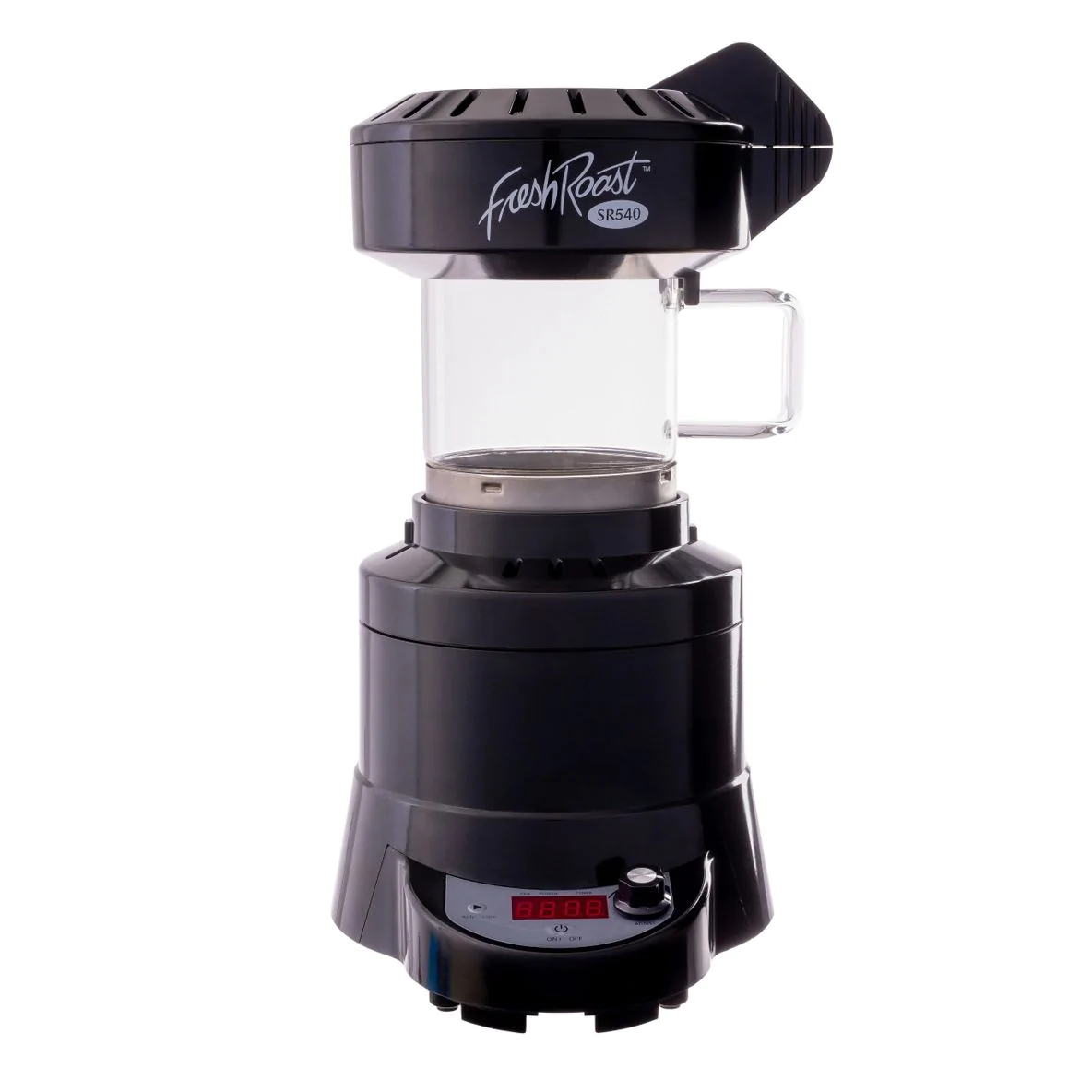
Air Roasters (Fluid Bed): Heat Through Convection
In an air roaster, a column of superheated air blows up through a screen below the bean chamber, lifting the beans and roasting them almost entirely by convection. The beans tumble constantly in the airflow, which means every surface gets consistent heat exposure. There's minimal conductive contact with a metal surface.
That's why air roasters like the Fresh Roast SR800 tend to produce brighter, cleaner cups on washed coffees: fewer Maillard compounds from surface contact, more even heat penetration. The trade-off is batch size. Most home air roasters cap at 150–250 g per load, and they run loud (65–75 dB) because the fan is doing double duty: heat delivery and bean agitation simultaneously.
Drum Roasters: Heat Through Conduction and Convection
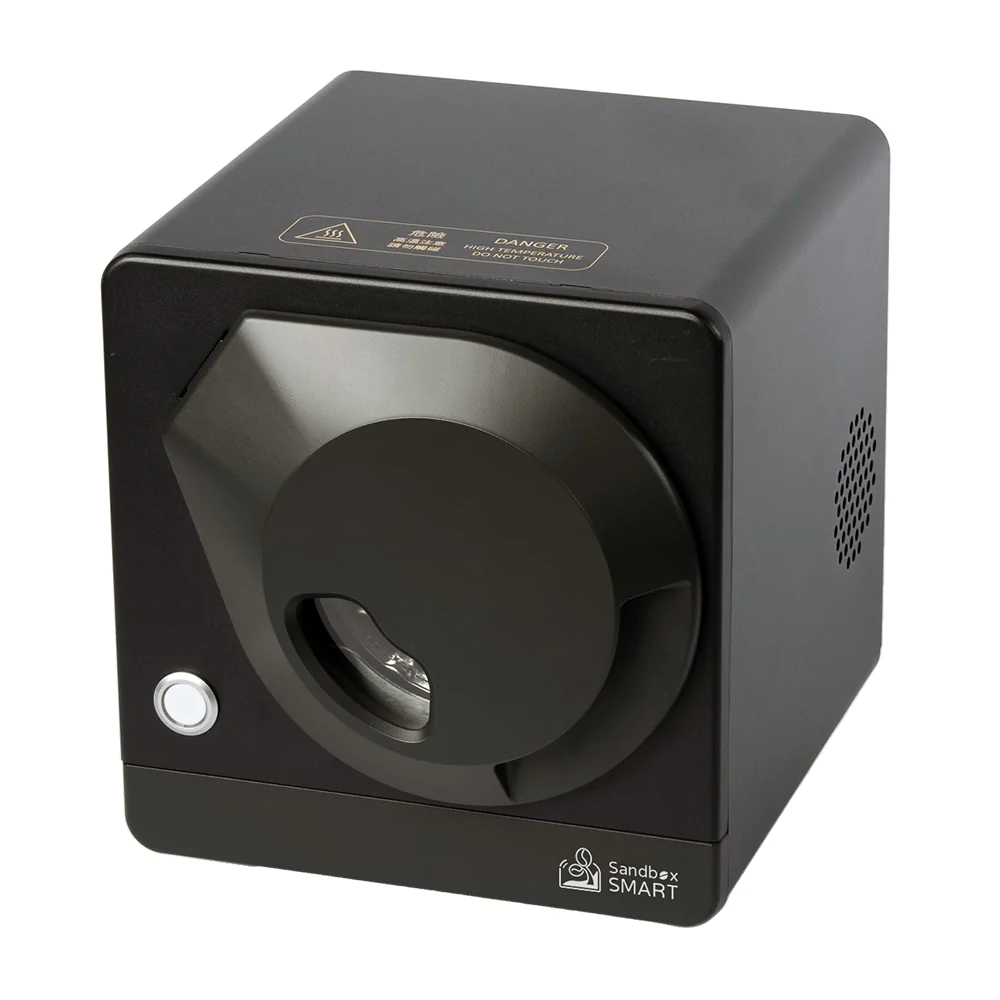
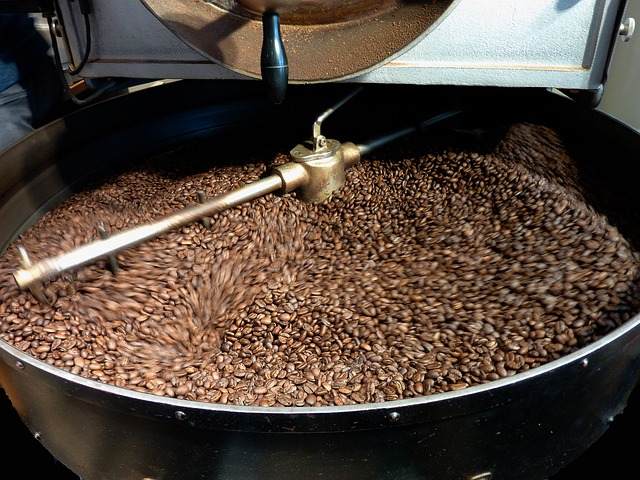
A drum roaster loads green beans into a rotating steel cylinder. As the drum turns (typically 50–60 RPM on home machines), internal paddles or lifters tumble the beans so they alternate between contact with the heated drum surface and exposure to hot air circulating inside. That gives you both conduction (metal contact) and convection (heated air), with a small radiated component from the drum walls.
Whether the drum is solid or perforated changes the balance. A solid drum leans heavier on conduction, producing more body and more chocolate and nutty notes, especially on natural-processed coffees. A perforated drum lets more hot air through, pushing toward the convection end and a cleaner cup. The Sandbox Smart R1 uses a perforated drum with quartz infrared heating; the Gene Cafe uses an off-axis solid drum. Same category, very different thermal profiles.
Worth knowing: drum roasters tend to produce better results on natural and honey-processed coffees because the extended Maillard window from conduction suits their denser, more complex flavor compounds. If you've been struggling to get a natural Ethiopian to taste like anything other than mud, the roaster type matters as much as the profile.
Why Is Cooling So Critical?
The beans don't stop roasting the moment they leave the drum. Residual heat keeps the reaction going for another 60–90 seconds after the drop. Miss that window and your carefully timed City+ becomes a Full City, or your Full City tips into Vienna territory you didn't want.
Most roasters drop beans into a separate cooling tray where a fan draws air through the bean bed while mechanical arms keep them moving. The goal is to drop from roasting temperature (roughly 200–220°C) to near-ambient in under 4–5 minutes. Commercial machines with larger batch sizes sometimes use a short water mist ("quenching") to accelerate cooling, though this is controversial among specialty roasters because excess moisture can stall the degassing window and affect shelf life.
After cooling, the beans need 24–72 hours to degas before brewing espresso. CO2 produced during roasting escapes through the bean structure; if you pull a shot too early, that gas disrupts extraction and you get a sour, gassy result. For filter or pour-over, 12–24 hours is usually enough.
How Do You Clean and Maintain a Coffee Roaster?
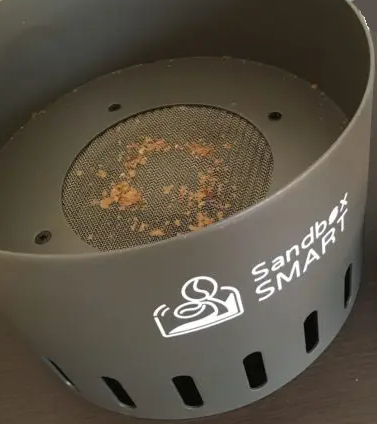
This is the part most people skip until something goes wrong. Chaff — the thin papery silver skin that peels off the beans during roasting — is genuinely flammable. It accumulates in the chaff collector and in exhaust ducting. A plugged chaff collector on a machine running dark roasts is a fire risk, not a minor inconvenience.
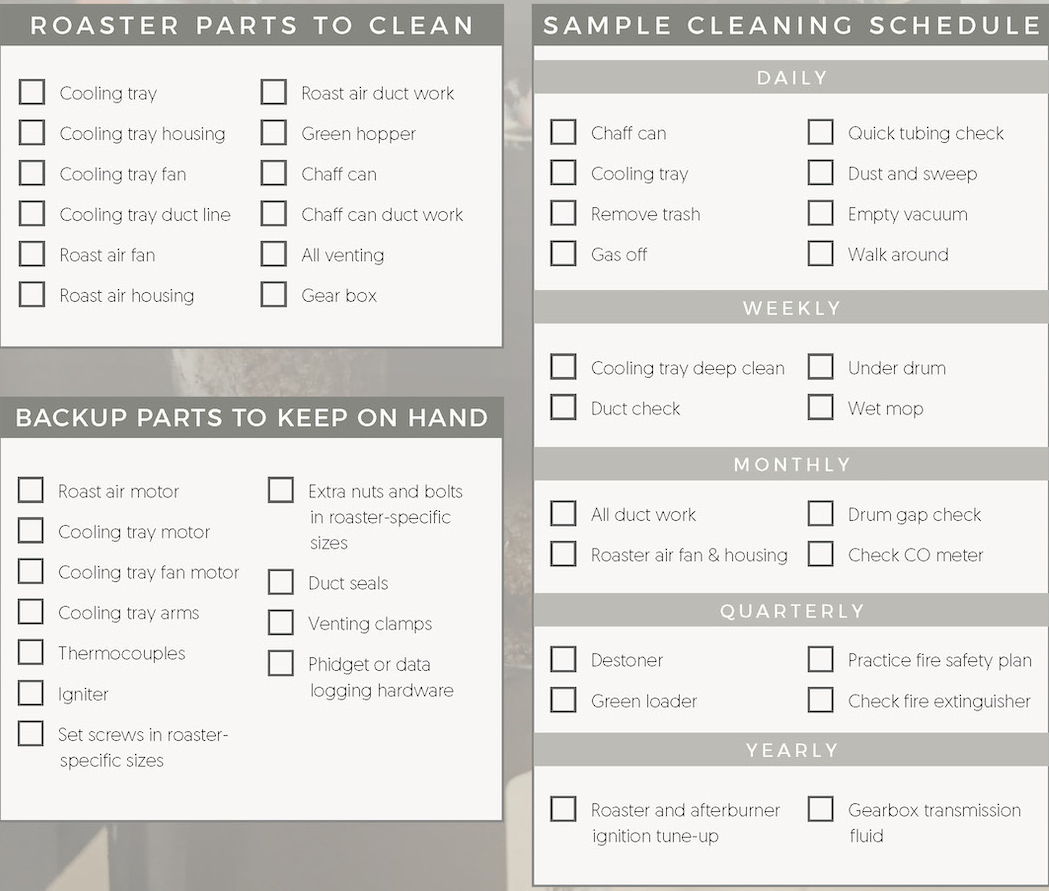
Here's what actually needs to happen on a regular basis:
- Empty the chaff collector after every session, or every 2–3 batches on dark roasts. Do not skip this.
- Brush the cooling tray holes clear with a stiff bristle brush. Clogged holes restrict airflow and slow cooling, which means your roast keeps developing longer than your timer says it should.
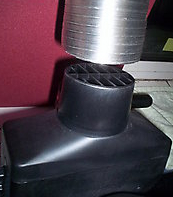
- Clear exhaust ducting of chaff and smoke deposits at least monthly if you're roasting weekly. A vacuum with a crevice tool works; so does a bottle brush on the pipe runs.
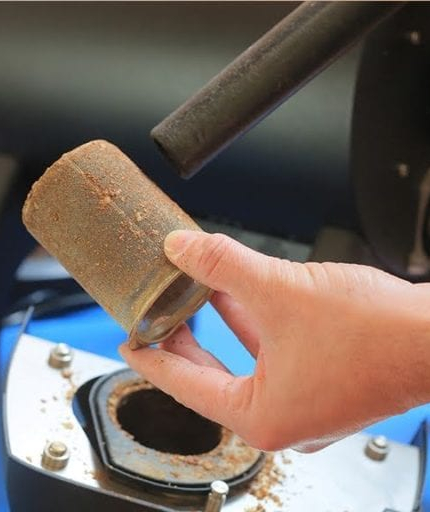
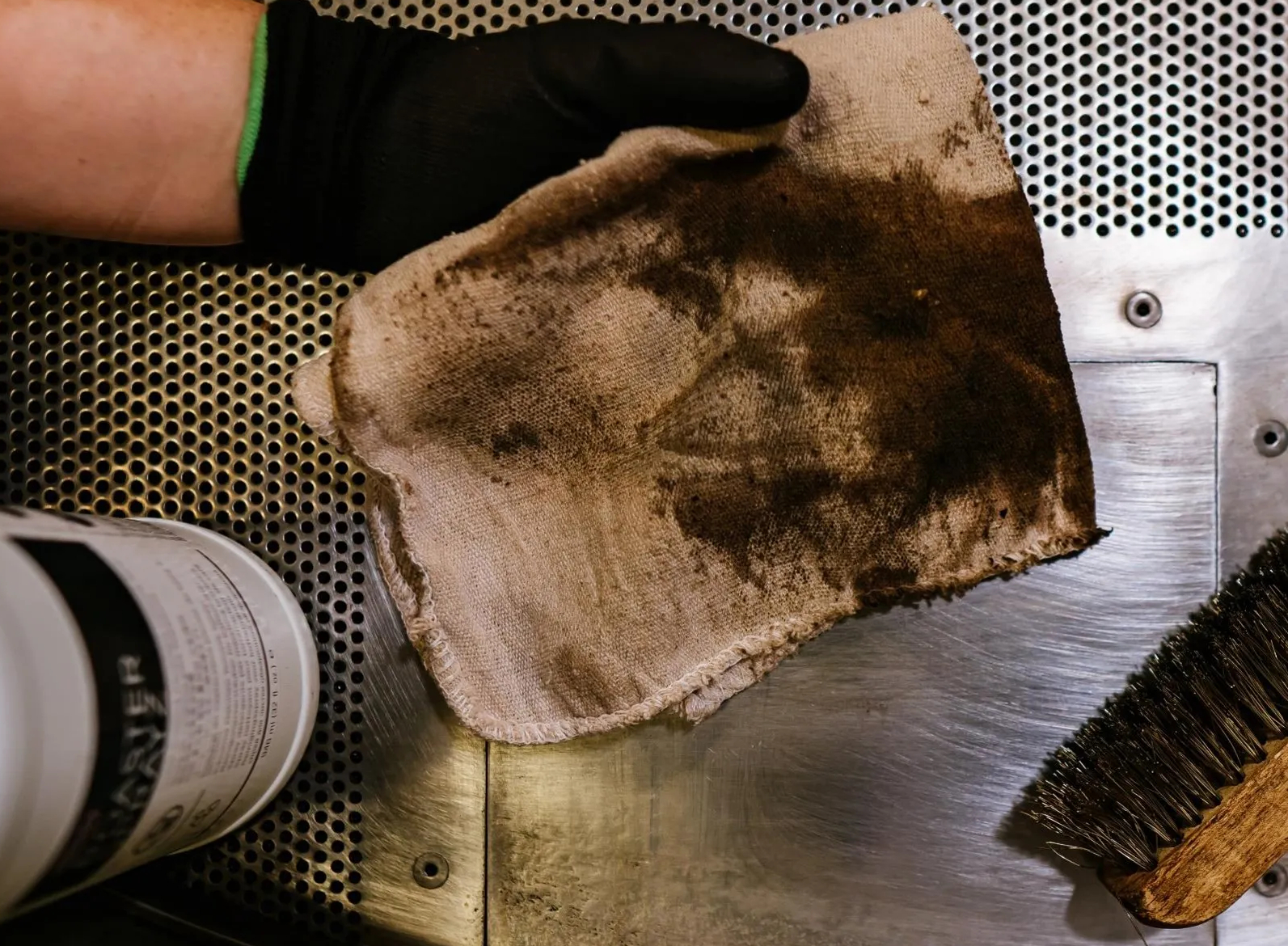
- Scrape oil buildup from drum interiors and roasting chambers. Rancid oil deposits affect flavor in ways that look like profile problems but aren't. Use a cleaner specifically formulated for roasters, not a standard kitchen degreaser.
- Schedule professional servicing at minimum once a year. Drum bearing wear, heating element calibration drift, and thermocouple accuracy degradation don't show up as obvious failures; they show up as inconsistent roasts you can't diagnose.
One thing most guides undersell: the thermocouple and probe accuracy. After 50–100 batches, oil coating on the bean-temp probe produces readings that run 5–8°F low relative to actual bean temperature. You're still hitting the same displayed temperature, but you're actually running hotter. If your roasts have been getting darker without any profile changes, that's often why.
CoffeeRoast Co. carries both air roasters and drum roasters if you're looking at what's available at different price points. The coffee roasting process guide covers the broader roast chemistry if you want to go deeper on what's happening inside the bean.
Frequently Asked Questions
What temperature does a coffee roaster reach?
The roasting chamber typically runs between 370°F and 540°F (188–282°C) depending on the roast level and machine type. Preheat targets are usually 392–428°F (200–220°C). Bean surface temperature at first crack is approximately 385°F (196°C). Dark roasts push bean temps toward 440–465°F (227–240°C) at drop.
What is the difference between an air roaster and a drum roaster?
Air roasters use a column of superheated air for both heat transfer and bean agitation, relying primarily on convection with minimal conduction. Drum roasters use a rotating steel cylinder where beans alternate between metal contact (conduction) and hot air exposure (convection). Air roasters excel on washed light-to-medium roasts; drum roasters handle naturals and heavier body development better.
How long does it take to roast coffee?
Home roasters typically complete a roast in 8–15 minutes. Air roasters run faster, usually 8–10 minutes for most City to Full City profiles. Drum roasters run 10–18 minutes depending on batch size and target roast level. Going under 8 minutes risks underdevelopment; going over 18 minutes on a small batch risks baking the beans flat.
Why do coffee beans need to degas after roasting?
During roasting, CO2 forms inside the bean structure as organic compounds break down. That gas escapes slowly over 24–72 hours post-roast. Brewing too early, especially for espresso, means excess CO2 disrupts water flow through the puck and produces sour, volatile extraction. For filter brewing, 12–24 hours off-roast is usually sufficient.
How often should you clean a coffee roaster?
The chaff collector needs emptying after every session, or every 2–3 batches on dark roasts. Cooling tray and exhaust ducting need brushing monthly for weekly roasters. Oil buildup on drum surfaces and internal components should be scraped and cleaned every 20–30 batches. Professional servicing at minimum annually, and more often for commercial volumes.
What causes roast defects like scorching or baking?
Scorching happens when beans hit a heat surface that's too hot relative to their moisture content, typically from insufficient preheat or too-high initial drum temperature. Baking results from roasting at too low a temperature for too long, which drives off moisture without triggering proper Maillard reactions. Both produce flat, papery, or hollow flavors that no brew method will rescue.
Key takeaways:
- A coffee roaster works in three stages: preheat (392–428°F / 200–220°C), roast via convection in air machines or conduction plus convection in drum machines, then rapid cool to stop development within 4–5 minutes.
- Air roasters produce brighter, cleaner cups on washed coffees; drum roasters develop more body and suit natural-processed beans better because of their longer conductive Maillard window.
- Beans continue roasting for 60–90 seconds after the drop from residual heat, so cooling speed matters as much as the roast profile itself.
- Chaff accumulation is a fire risk. Empty the chaff collector every session; clear exhaust ducting monthly if you're roasting weekly.
- Thermocouple probe drift is common after 50–100 batches. If roasts are getting progressively darker without profile changes, clean or replace the probe before touching the profile.


ecuenca973@gmail.com
febrero 13, 2024
None yet. I’m still shopping which model would fit my need, whether for home or commercial use.