



Quick answer: Air roasters roast 70–226 g batches in 6–8 minutes, produce bright and clean cup profiles, and cost $150–$600. Drum roasters handle 200–550 g batches in 15–20 minutes, develop richer body and complex Maillard flavors favored for espresso, and cost $500–$3,000+. Pick air for simplicity; pick drum for batch size and flavor depth.
The honest answer is that neither machine is universally better. They work differently at a fundamental level, and those mechanical differences translate directly into what ends up in your cup. Understanding the trade-off takes about five minutes and will save you from buying the wrong machine and resenting it two months later.
How do air roasters work?

Air roasters, sometimes called fluid-bed roasters, use a column of high-velocity hot air to simultaneously heat and agitate green beans in the roasting chamber. The beans float and tumble in that airflow, which means every side of every bean gets consistent exposure to heat. It's the same principle as a popcorn popper, but purpose-built air roasters run at much higher airflow velocities and give you actual temperature control.
Hot-air home roasting as a category emerged in the 1970s when consumer machines first adapted the fluid-bed principle for coffee. The Fresh Roast SR540 is the modern entry-level example: 120 g capacity (4 scoops of green beans), adjustable fan and heat, and a total roast time of 6–8 minutes. That speed is the defining practical advantage. You can pull a City+ roast, cool the beans, and taste the cup before deciding whether to tweak the profile on the next batch.
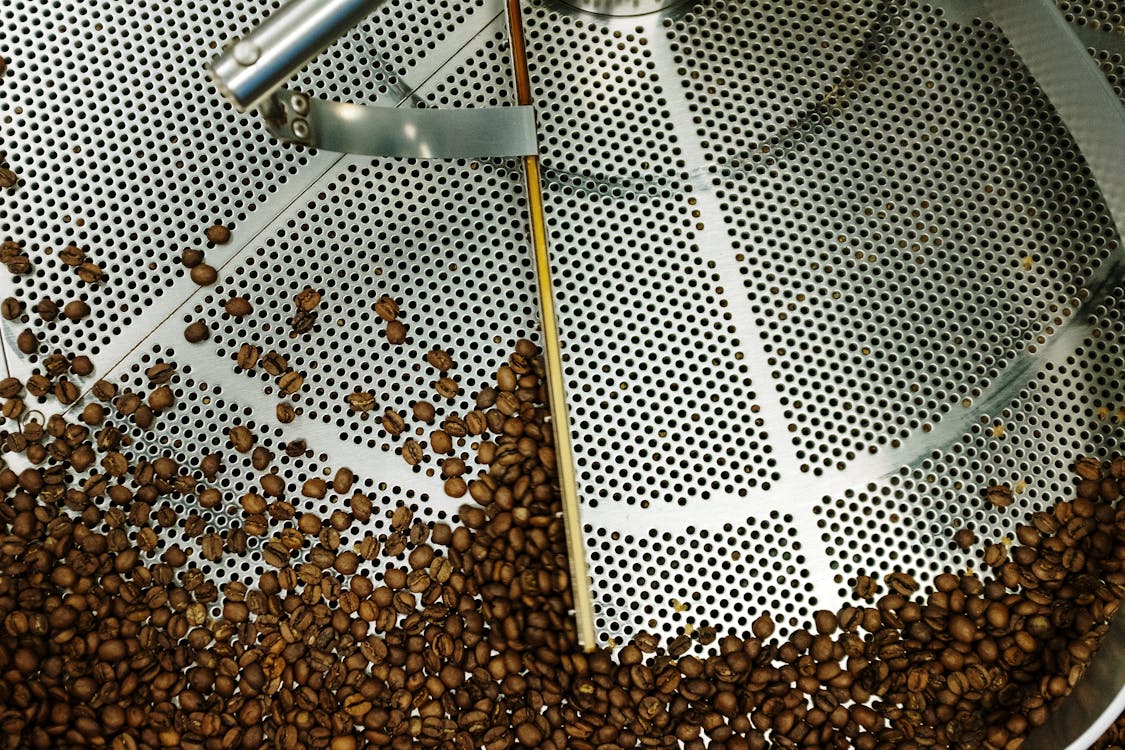
Air-roasted coffee tends to taste clean and bright. Washed Ethiopian or Kenyan origins shine here because the faster, more even roast preserves the floral and fruity acids that slow drum roasting can mute. You'll notice less body and less bitterness than drum-roasted equivalents at the same roast level. That's a feature, not a flaw, if bright single-origins are what you're after.
What are the pros and cons of air roasters?
Here's where air roasters genuinely earn the first-machine recommendation for most people:
- Roast time runs 6–8 minutes versus 15–20 for drum machines, so you get faster feedback on profile changes.
- Most air roasters produce little to no visible smoke on light and medium roasts, which matters if you're working in a kitchen without a hood vent.
- Entry-level machines like the Fresh Roast SR540 start around $150, while mid-tier machines with saved profile capability run $300–$600.
- The chaff collector is built in on most models, so you don't have to deal with burnt chaff smoke mid-roast.
- Fewer moving parts means fewer things that break in year two.
The real limitation is batch size. The Fresh Roast SR540 caps at 120 g; even the SR800 tops out at 226 g. If you drink a pound of coffee a week, you're running four or five batches to stay stocked. That's manageable, but it's worth knowing before you buy. The other thing air roasters don't do as well: natural-processed and honey-processed beans, which carry more moisture and chaff and need the slower, gentler heat profile that drums provide.
One failure mode nobody mentions in the marketing: chaff collector clogging. On dry-processed beans, the SR540's filter screen fills in 3–4 batches. Ignore it and you'll see erratic fan behavior and uneven roast curves. Brush the screen before every session when you're running naturals.
How do drum roasters work?

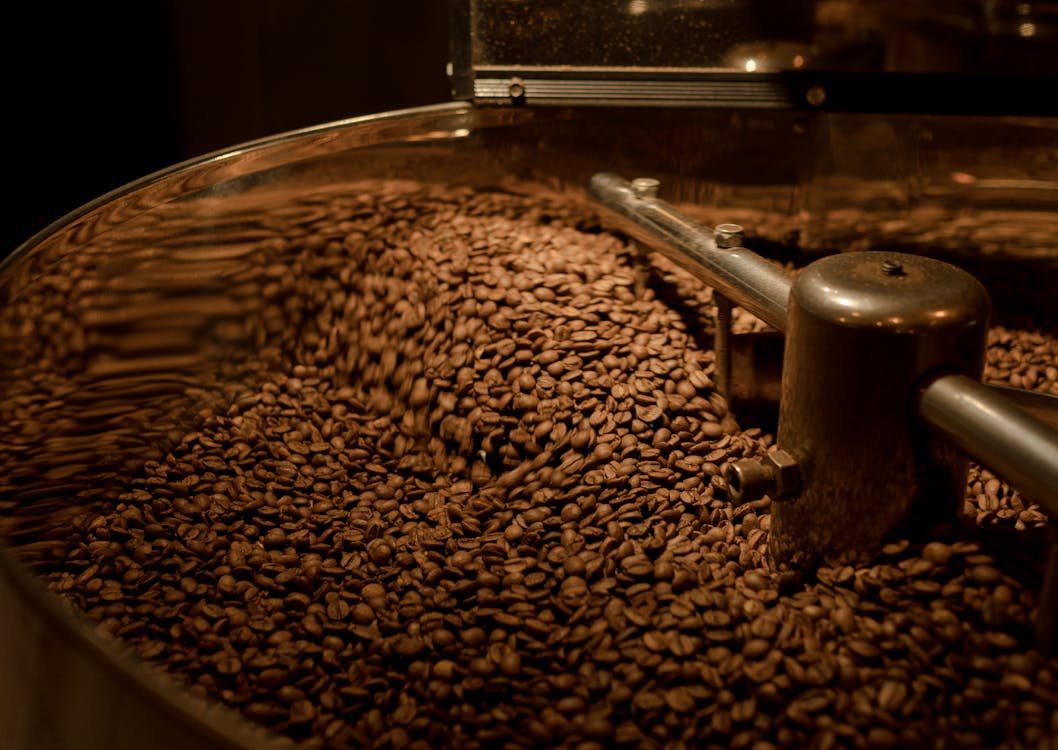
Drum roasters have been the commercial roasting standard since the 1880s because the physics work. A rotating metal drum tumbles beans over a heat source beneath it, transferring heat through direct contact with the hot drum surface and through the circulating air inside the chamber. Because the beans are in physical contact with the metal, you get a more developed Maillard reaction: the browning process that produces the chocolate, caramel, and nutty compounds that espresso drinkers specifically want.
Drum roasters at the home level span a wide range. The Sandbox Smart R1 is a compact Taiwan-built machine with three quartz infrared elements and a Bluetooth app for profile logging. Step up from there and you reach the Sandbox Smart R2, which handles up to 550 g per batch. Beyond that, machines like the Gene Cafe CBR-101 and the Behmor 2000AB Plus push toward 450–454 g capacity with smoke-suppression systems for dark indoor roasting.
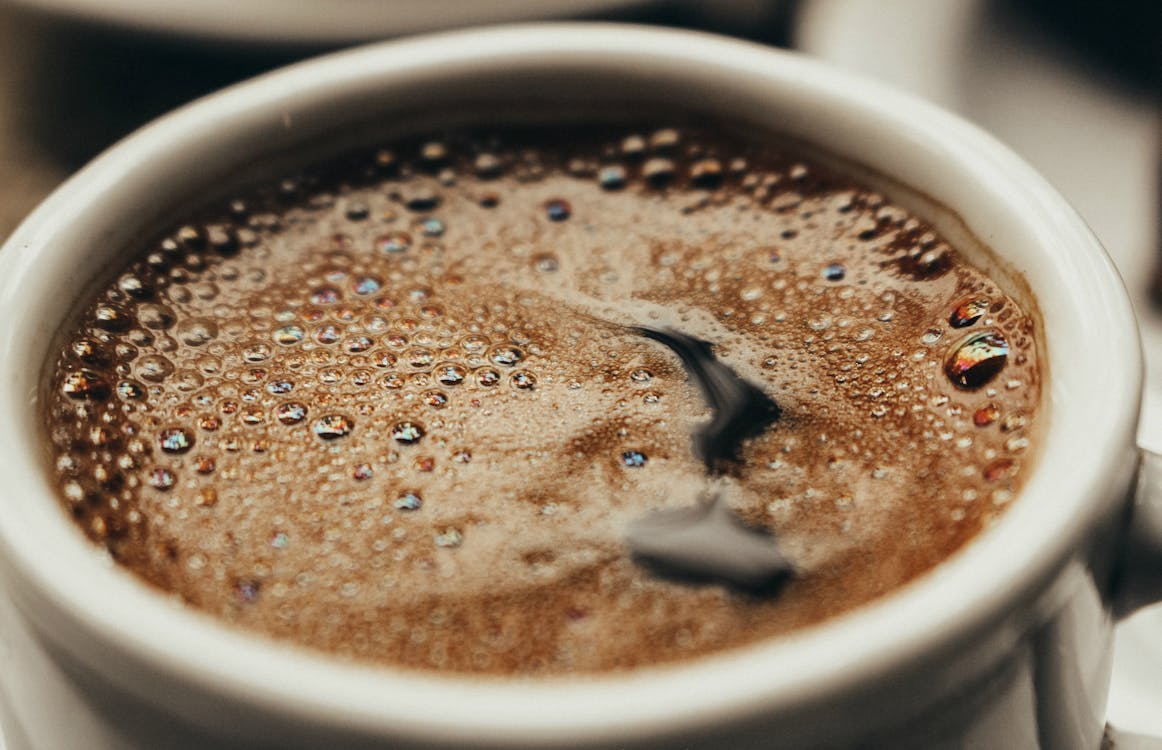
Drum-roasted coffee has a richer body and mouthfeel than air-roasted equivalents. The longer roast time (15–20 minutes) extends the development window, which is what builds complexity. For espresso blends built on Brazilian natural-processed Bourbons or Sumatran wet-hulled beans, a drum is the right tool. You get sweetness and body you simply can't replicate with a fluid-bed machine on the same origin.
What are the pros and cons of drum roasters?
The case for drum roasters is straightforward if your needs fit them:
- Larger batch capacity: 200–550 g versus the 70–226 g ceiling on most air machines. If you're roasting for a household of two or more daily drinkers, fewer sessions per week.
- More control variables: drum RPM, separate air and heat settings, and on app-connected machines like the Sandbox R1, full profile logging with rate-of-rise curves.
- Better results with naturals and honey-processed origins, which benefit from the gentler, more even heat transfer of direct drum contact.
- More complex flavor development: deeper Maillard reaction, heavier body, lower perceived acidity.
The cons are real, though. Drum roasters cost more: entry-level home drum machines start around $500–$700, and a machine like the Gene Cafe CBR-101 runs $900+. They're physically larger and louder. And the smoke issue is legitimate: chaff that accumulates inside the drum can smolder during dark roasts, adding a burnt note to the cup and setting off smoke detectors in kitchens without exhaust venting. The Behmor 2000AB Plus has a catalytic smoke-suppression system that handles this, but it's an $600–$800 machine and the catalyst needs replacement every 200–300 batches.
The other failure mode: drum-temp probe drift. Roasting oils coat the thermocouple over time. After 80–100 batches, your "same profile" starts running hotter than it reads. Clean the probe monthly with a mild solvent or you'll wonder why your roasts keep getting darker.
What other home roaster types exist?
Two alternatives are worth knowing about, even if they're not the main event:
- Stovetop roasters (like the Zenroast ceramic) hold about 70 g and give you direct feedback: you hear first crack clearly, you see color shift in real time, and you learn the sensory language of roasting before committing to a $400+ machine. Popular with campers and as a genuine learning tool. Batch sizes max around 2.5 oz.
- Popcorn machines can roast coffee, and some home roasters start there. But the airflow is weaker and less consistent than a dedicated machine, heat control is minimal, and you'll hit the ceiling of what they can do within a few months. Think of it as a proof-of-concept, not a long-term setup.
For a deeper look at all the options, the guide to choosing the best coffee roaster covers the full catalog with specific machine recommendations by use case.
Why do cooling and cleaning matter so much?
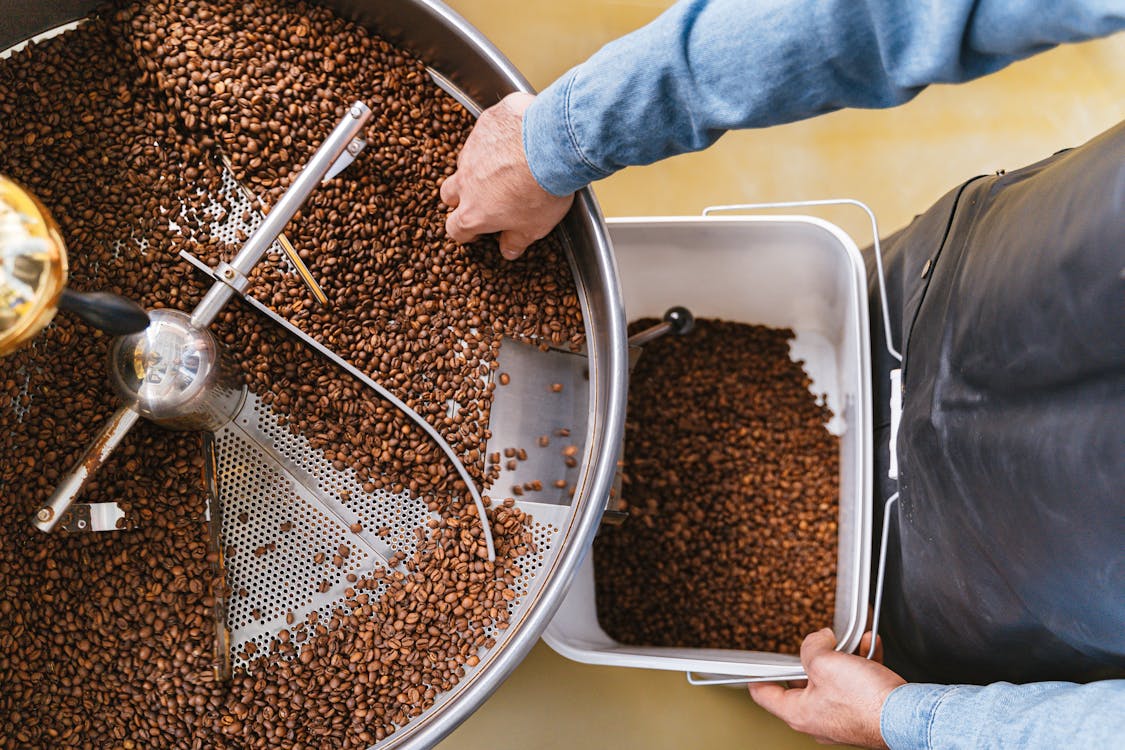
Beans keep roasting on residual heat for 60–90 seconds after you end the roast cycle. If your machine's cooling function is slow, you're losing control of the final development stage regardless of how well you ran the roast itself. Air roasters cool beans by blowing ambient air through the same chamber; drum machines typically drop beans into a separate cooling tray with a stir arm. The drum cooling tray is generally faster because you can spread beans thin.
Allow the roaster body to return to room temperature between batches. Running back-to-back batches in a hot machine shifts the thermal baseline for the second roast and produces inconsistent results batch to batch.
Cleaning isn't optional. Oils and chaff build up in the chamber, on the drum surface, in the chaff collector, and on any temperature probes. That residue burns. It also alters the flavor of subsequent roasts and creates a genuine fire risk when it accumulates near heating elements. Air roasters are faster to clean because the chamber is simpler; drum machines have more surface area and crevices. For dark roasts especially, plan on a cleaning session every 5–10 batches.
Which type of roaster is right for you?
If you're new to home roasting, roast less than a pound a week, and want to focus on light-to-medium washed single origins, start with an air roaster. The Fresh Roast SR540 at around $150 is the lowest-friction entry point: it teaches you what heat and airflow do to a bean without burying you in variables. Upgrade to the SR800 (226 g) when you want larger batches. CoffeeRoast Co.'s air roaster collection has both.
If you're roasting for multiple daily drinkers, want to run naturals and honey-processed origins well, or are specifically chasing espresso-blend complexity, a drum machine is the right tool. The Sandbox Smart R1 is the natural first drum for someone coming from an air roaster: compact, app-connected for profile logging, and honest about what it is. The Sandbox Smart R2 doubles the capacity for households that need it. Browse the full drum roaster lineup to compare specs side by side.
The one thing both types agree on: buy green beans you're excited about roasting. The machine matters less than you think when the coffee is right.
For more from CoffeeRoast Co., see our guides on the coffee bean roasting curve and common coffee roasting mistakes to avoid.
Frequently Asked Questions
Is an air roaster or drum roaster better for beginners?
Air roasters are easier to start with. They have fewer variables to manage, roast a batch in 6–8 minutes, and give you fast feedback so you can adjust your next profile without waiting 20 minutes. Most first-time home roasters find air machines forgiving enough to produce a good cup on the first or second try. Drum roasters reward technique you build over time, so they make more sense as a second machine.
What is the batch size difference between air and drum roasters?
Most home air roasters handle 70–226 g per batch. The Fresh Roast SR540 caps at 120 g (about 4 oz of green beans); the SR800 goes to 226 g. Home drum roasters typically range from 100–550 g. The Sandbox Smart R2, for example, roasts up to 550 g per batch. If you drink more than a pound a week, a drum roaster means fewer roasting sessions to stay stocked.
Do air roasters or drum roasters produce more smoke?
Drum roasters produce more smoke, particularly on medium-dark and dark roasts, because chaff can accumulate in the drum and smolder during the roast. Air roasters vent chaff into a separate collector and produce much less smoke on light and medium roasts. If you're roasting indoors without a strong range hood, an air roaster is the lower-risk choice. On dark roasts even air machines can produce some smoke.
Can you roast espresso beans with an air roaster?
Yes, but with caveats. Air roasters can reach the Full City to Full City+ roast levels most espresso drinkers want. The trade-off is that the resulting cup will have less body and sweetness than the same origin roasted on a drum, because drum roasting's slower heat transfer develops the Maillard compounds espresso depends on. If classic Italian-style espresso complexity is your goal, a drum roaster will get you closer.
How often do you need to clean a home coffee roaster?
For light roasts: every 8–10 batches is adequate. For medium and dark roasts: every 5 batches or fewer, because darker roasts produce more oil and more chaff that can burn inside the machine. Air roasters are faster to clean because the chamber is simpler. Drum roasters have more surface area; plan on a 20–30 minute cleaning session. Neglecting it is a fire risk, not just a flavor issue.
What roast profiles work best with each machine type?
Air roasters excel with washed (wet-processed) light-to-medium roasts, particularly East African origins like Ethiopian Yirgacheffe or Kenyan SL28 where brightness and floral notes are the point. Drum roasters perform better with natural and honey-processed beans and with the medium-dark to dark roast profiles used in espresso blends. Both machines can produce any roast level, but each has a sweet spot where it clearly outperforms the other.
Key takeaways:
- Air roasters roast 70–226 g in 6–8 minutes, produce bright and clean cups, and work best for light-to-medium washed origins. Start here if you're new.
- Drum roasters handle 200–550 g in 15–20 minutes, develop richer body and more Maillard complexity, and are better suited for espresso blends and natural-processed beans.
- Air roasters produce less smoke and are easier to clean, making them better for indoor kitchen use without heavy ventilation.
- Drum roasters cost more to enter ($500–$3,000+) but give you more control variables including drum RPM and, on app-connected machines, full profile logging.
- Cooling speed matters regardless of machine type: beans keep roasting for 60–90 seconds after the cycle ends, and a slow cooling tray costs you control of the final development stage.


Matthew Lutzker
marzo 13, 2024
Great article, I enjoyed reading it! I have been roasting at home for ten years using a FreshRoast SR540 in the past 4 years, after burning out my first.
Trying to decide between Sandbox or an Ikawa roaster. I’m leaning towards the air roaster, especially due to lack of smoke. Maybe I should get both! :)
I was wondering about cooldown between roasts, as I burned out the motor on the first. When I bought my second they had added a recommended 1/2 hour cooling between roasts. The two roasters I am considering say they can do immediate back to back roasts.
Any suggestions are welcome. Again thanks for your article.