



Quick answer: The Maillard reaction is a heat-driven chemical process between amino acids and reducing sugars that begins around 150°C (302°F) during coffee roasting. It produces hundreds of flavor compounds, including the pyrazines and furans responsible for caramel, chocolate, and nutty notes. Without it, roasted coffee wouldn't exist.
Every flavor compound that makes a well-roasted Ethiopian Yirgacheffe taste different from a Brazilian natural traces back to one reaction. The Maillard reaction is why coffee smells the way it does, why beans turn brown, and why the gap between a skilled roast and a flat one is measured in degrees and seconds.
What is the Maillard reaction?
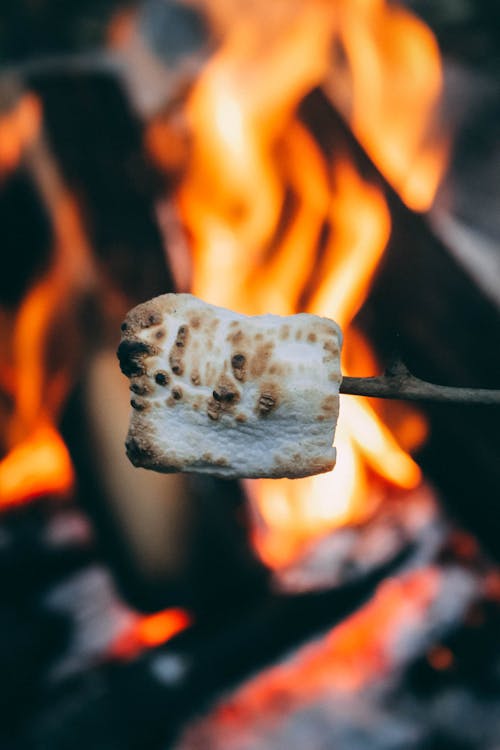
A toasted marshmallow is the easiest way to see it. Pull one straight from the bag and it's soft, white, sweet. Hold it over a flame and the surface turns golden-brown and develops that caramelized, slightly smoky flavor most people find irresistible. That transformation is the Maillard reaction.
Chemically, it's a reaction between amino acids (protein building blocks) and reducing sugars, triggered by heat. French physician Louis-Camille Maillard first described the mechanism in 1912. It produces hundreds of distinct flavor compounds, which is why no two roasted foods taste the same even if the temperature and time are similar. The exact product mix depends on which amino acids and sugars are present to begin with.
Coffee is a particularly rich environment for it. Green coffee beans contain roughly 2% free amino acids by dry weight and significant concentrations of sucrose, fructose, and glucose. When you apply heat, those compounds react to produce the aromatic complexity you're chasing in the cup.
How does the Maillard reaction work during coffee roasting?
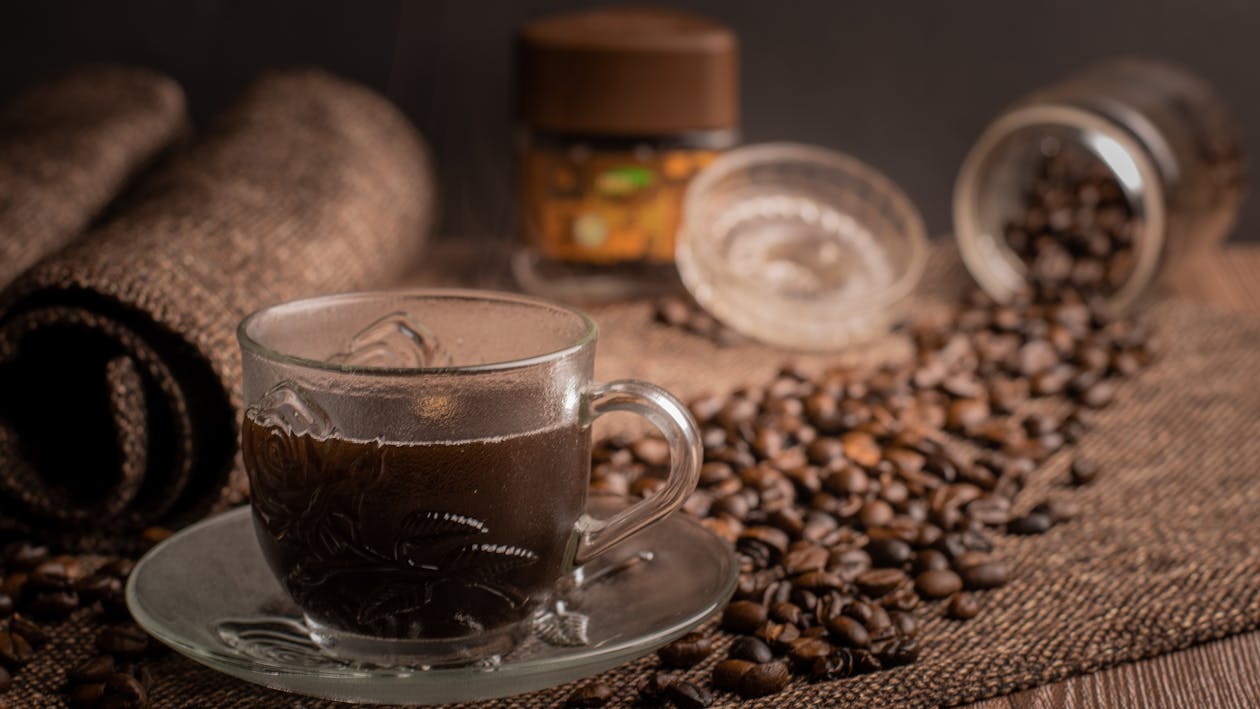
A coffee roast moves through three recognizable phases, and understanding where the Maillard reaction sits in that sequence tells you what you're actually controlling when you adjust heat or airflow.
Drying phase (roughly 100–150°C / 212–302°F). The beans lose moisture, shift from green to pale yellow, and smell grassy. Not much browning chemistry yet. You're evaporating water and softening the bean structure.
Maillard/browning phase (roughly 150–200°C / 302–392°F). This is where the reaction runs. Amino acids and reducing sugars combine under heat to generate hundreds of new compounds. The beans shift from yellow through tan to light brown. Aroma moves from grassy to grain-like to something that starts smelling like coffee. Caramelization of sucrose is also happening here, adding sweetness and further brown color.
Development phase (first crack onward). At roughly 196°C / 385°F, the beans audibly crack as CO2 and steam push through the structure. The Maillard reaction is still active, but you're now managing how far it runs. Development time ratio (DTR) is how roasters track this: the percentage of total roast time spent after first crack. A DTR of 20–25% is a common target for balanced development without over-roasting.
Once the beans reach the target color, they need to cool fast. Residual heat keeps the reaction running for 60–90 seconds after the drop, which is why cooling speed matters as much as everything that came before it. At CoffeeRoast Co., the roasters we carry include dedicated cooling trays for exactly this reason.
How do temperature and time control the reaction?
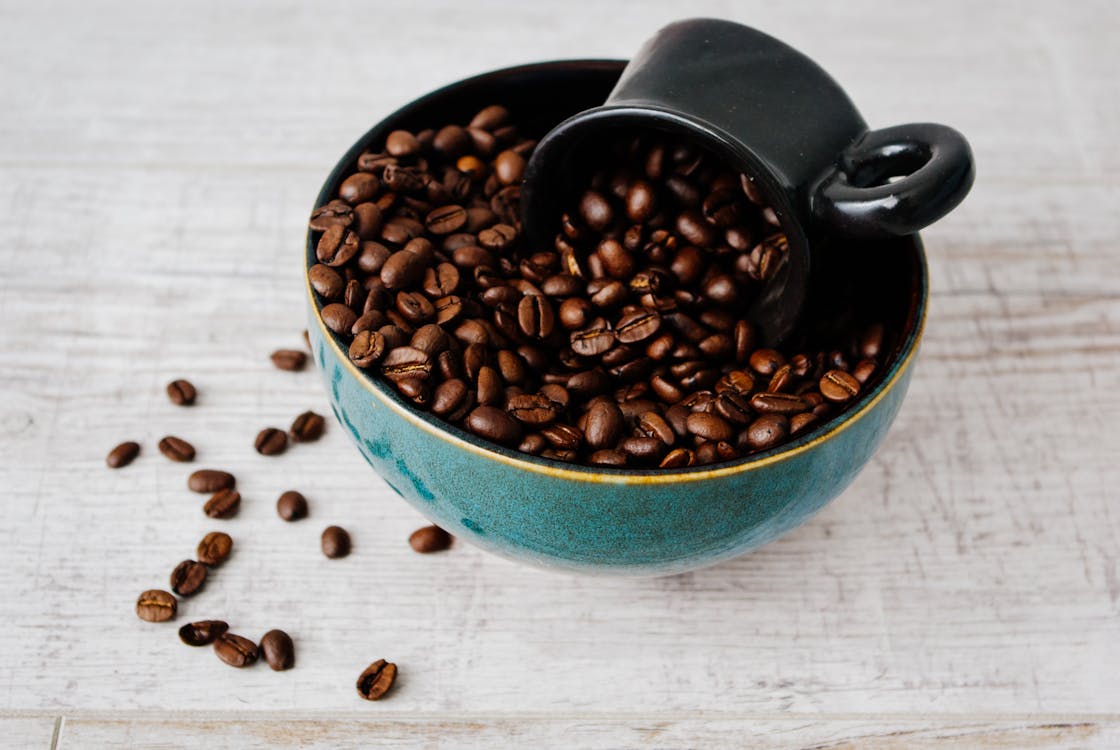
Rate of rise (RoR) is the key variable: degrees of bean temperature gained per minute. A steep RoR (say, 15–20°C/min) drives the Maillard reaction fast, which can leave organic acids intact and produce sour, underdeveloped notes. Flatten the RoR too aggressively and you stall development, bake the beans, and lose volatile aromatic compounds before they form properly.
Most specialty roasters target a declining RoR through the browning phase: starting steep (around 10–15°C/min entering Maillard territory) and slowing toward first crack (3–5°C/min). That curve concentrates the Maillard window where you want it, building sweetness and complexity without rushing into over-development.
Too long at high temperature and you break down the flavor compounds the reaction already created. Bitter, ashy notes are the result. Too short and you haven't built enough of them to begin with: the cup is flat, sour, or tastes like raw grain.
Home roasters deal with this the same way commercial roasters do, just at smaller batch sizes. The coffee bean roasting curve guide covers RoR in detail if you want to go deeper on the numbers.
What flavors and aromas does the Maillard reaction produce?

The reaction doesn't produce one compound. It produces hundreds, and the mix depends on the specific amino acids and sugars in the bean, the temperature profile, and how long you run it.
The ones most relevant to coffee are pyrazines, furans, and thiols. Pyrazines contribute nutty, earthy, roasted grain character. Furans add caramel and bread-like sweetness. Thiols are sulfurous aromatics that contribute to the characteristic roasted-coffee nose. Melanoidins are the brown polymers the reaction produces in bulk: they affect mouthfeel, body, and antioxidant content. The chlorogenic acid lactones formed during roasting contribute both bitterness and those winey, fruity notes you get in well-developed light roasts.
Worth knowing: the specific origin of the beans shapes what the Maillard reaction has to work with. A Kenyan SL28 has different amino acid and sugar ratios than a Sumatran Mandheling. Same roast curve, meaningfully different cup. That's not marketing copy; it's chemistry.
How does roast level change the reaction?
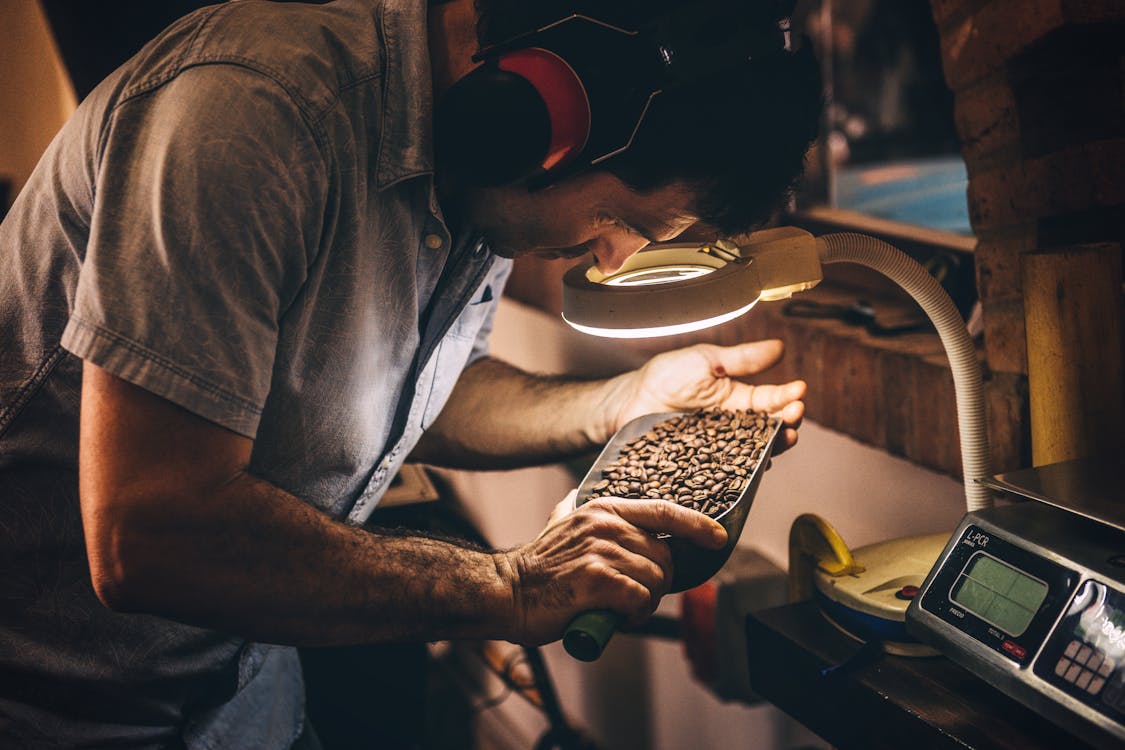
Roast level is essentially a decision about how far you let the Maillard reaction run, and at what temperature you're running it.
Light roasts (City, City+, Agtron ~65+). Shorter time in the Maillard window. You preserve more of the bean's original acidity and origin character. The reaction produces lighter, more floral and citrus-adjacent compounds. Less body, more brightness. These are the roasts where Ethiopian and Kenyan origins shine because you're not overwriting their inherent complexity.
Medium roasts (Full City, Agtron ~50–60). The Maillard reaction runs longer and into more complex territory. Sweetness deepens, chocolate and nut notes develop, and acidity softens. This is the most forgiving window for most origins and most brewing methods.
Dark roasts (Vienna, French, Agtron ~35–45). Prolonged heat breaks down many of the delicate Maillard compounds formed earlier and replaces them with the bitter, smoky flavors most people associate with dark roast. Origin character largely disappears. You're tasting the roast process more than the bean.
None of these is objectively better. They're different expressions of the same chemistry. The right one depends on the bean, the brew method, and what the person drinking it actually likes. See our guide to coffee roast levels for more on how to match roast to origin and brew method.
How do roasters actually control the Maillard reaction?
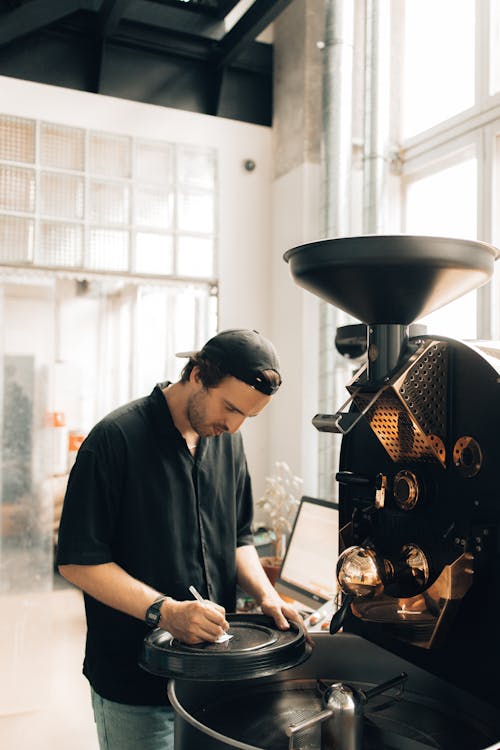
Three levers matter: heat input, airflow, and charge temperature.
Heat input controls how fast you move through the Maillard window. More gas (in a drum roaster) or higher element wattage (in an air roaster) accelerates the reaction. Less does the opposite.
Airflow removes heat and chaff from the roasting environment. Opening airflow cools the bean mass and slows the reaction; closing it retains heat and accelerates development. Home air roasters like the Fresh Roast SR800 let you adjust fan speed independently from heat, which is exactly this control in your hands.
Charge temperature is what the drum or roasting chamber is at when you load the beans. A hotter charge drives faster early Maillard activity; a cooler charge gives you a longer drying phase before the reaction starts running hard. Most experienced roasters dial charge temperature per origin and processing method rather than using one setting for everything.
If you're roasting at home, a machine that gives you independent control of heat and airflow (rather than just a single dial) is the practical entry point for actually managing this. The air vs drum roaster comparison covers how each type handles these controls differently.
Frequently asked questions
At what temperature does the Maillard reaction start in coffee roasting?
The Maillard reaction begins in earnest around 150°C (302°F) as the bean surface dries and reducing sugars become available. It accelerates through the 150–200°C range (302–392°F), which is the primary browning window in most coffee roasting profiles. At temperatures above roughly 200°C (392°F), caramelization and pyrolysis increasingly compete with Maillard chemistry and the flavor profile shifts toward darker, more bitter compounds.
Is the Maillard reaction the same as caramelization?
No. They're separate reactions that happen to overlap in temperature range. Caramelization is purely the thermal breakdown of sugars and doesn't require amino acids. The Maillard reaction requires both amino acids and reducing sugars. Both contribute to browning and flavor development during coffee roasting, but they produce different compound sets. Caramelization contributes sweetness and some color; the Maillard reaction is responsible for the majority of coffee's aromatic complexity.
Why does roast level affect the bitterness of coffee?
As roasting progresses, the Maillard reaction runs longer and at higher temperatures, breaking down chlorogenic acids into bitter lactones and quinic acids. Longer roasting also degrades pleasant volatile aromatics created in the early Maillard window. The result is a cup that's lower in acidity but higher in bitter, roast-derived compounds. This isn't a flaw in dark roast; it's the intended flavor profile for that style.
Does the Maillard reaction keep going after roasting stops?
Yes, briefly. The beans retain enough heat after leaving the roasting chamber that the reaction continues for 60–90 seconds. This is why fast cooling is critical: dropping beans into a cooling tray with active airflow stops the reaction at the intended development level. Without it, a roast aimed at City+ can push toward Full City from residual heat alone.
Does bean origin affect how the Maillard reaction behaves?
Substantially. Different coffee varieties have different concentrations of free amino acids and reducing sugars, which changes what compounds the Maillard reaction produces from the same heat curve. A natural-processed Ethiopian Sidamo has more residual fruit sugars than a washed Colombian, so the same roast profile produces a sweeter, more complex Maillard output. This is one reason roasters dial in each new lot separately rather than applying a generic profile.
Can you speed up the Maillard reaction with higher heat?
Yes, but with real trade-offs. Higher heat accelerates the reaction and can shorten total roast time, but it also raises the risk of an uneven roast where the outside of the bean develops faster than the inside. Bean-surface scorch at high initial temperatures is the common failure mode. Most specialty roasters use a moderate charge temperature and a declining rate of rise through the Maillard window, prioritizing even development over speed.
How does the Maillard reaction affect coffee's body and mouthfeel?
Melanoidins are the brown, high-molecular-weight polymers the Maillard reaction produces in large quantities. They contribute directly to mouthfeel and body: more melanoidins mean heavier body and a more viscous texture. This is part of why dark roasts typically have heavier body than light roasts, even though they've lost more volatile aromatics. Medium roasts tend to hit the balance most people find optimal.
Key takeaways:
- The Maillard reaction begins around 150°C (302°F) and runs through approximately 200°C (392°F) during coffee roasting, producing hundreds of flavor and aroma compounds.
- Rate of rise (RoR) is the primary control lever: a declining RoR through the browning phase builds sweetness and complexity without rushing into over-development or bitterness.
- Roast level determines how far the reaction runs. Light roasts preserve origin character and acidity; dark roasts favor bitter, roast-derived flavors from prolonged Maillard activity.
- Fast cooling after the roast drop is essential: residual bean heat keeps the reaction running for 60–90 seconds after the beans leave the chamber.
- Bean origin, processing method, and amino acid composition all affect what the Maillard reaction produces from the same heat input.


John Cooke
9月04,2025
A very worthwhile project info
interesting process on how you
create the various aspects and
flavour tastes and feel.
Many thanks
John Cooke