誰もが、一度はそのような状況になったことがあるでしょう。消耗品の壁を見てもどこから始めればよいのか分からないのです。それはワイン、チョコレート、ジャガイモ、チーズかもしれません。君が好きなものならなんでも。目の前にあるすべての選択肢や選択肢を眺めているだけで、意思決定がほぼ麻痺してしまいます。 「ああ、分からない、サビー B とブリーを少し買ってみよう。前は大丈夫だった。」と諦める前に、究極の選択に利用できる新しいエキサイティングな味覚体験と発見の世界がそこにあります。
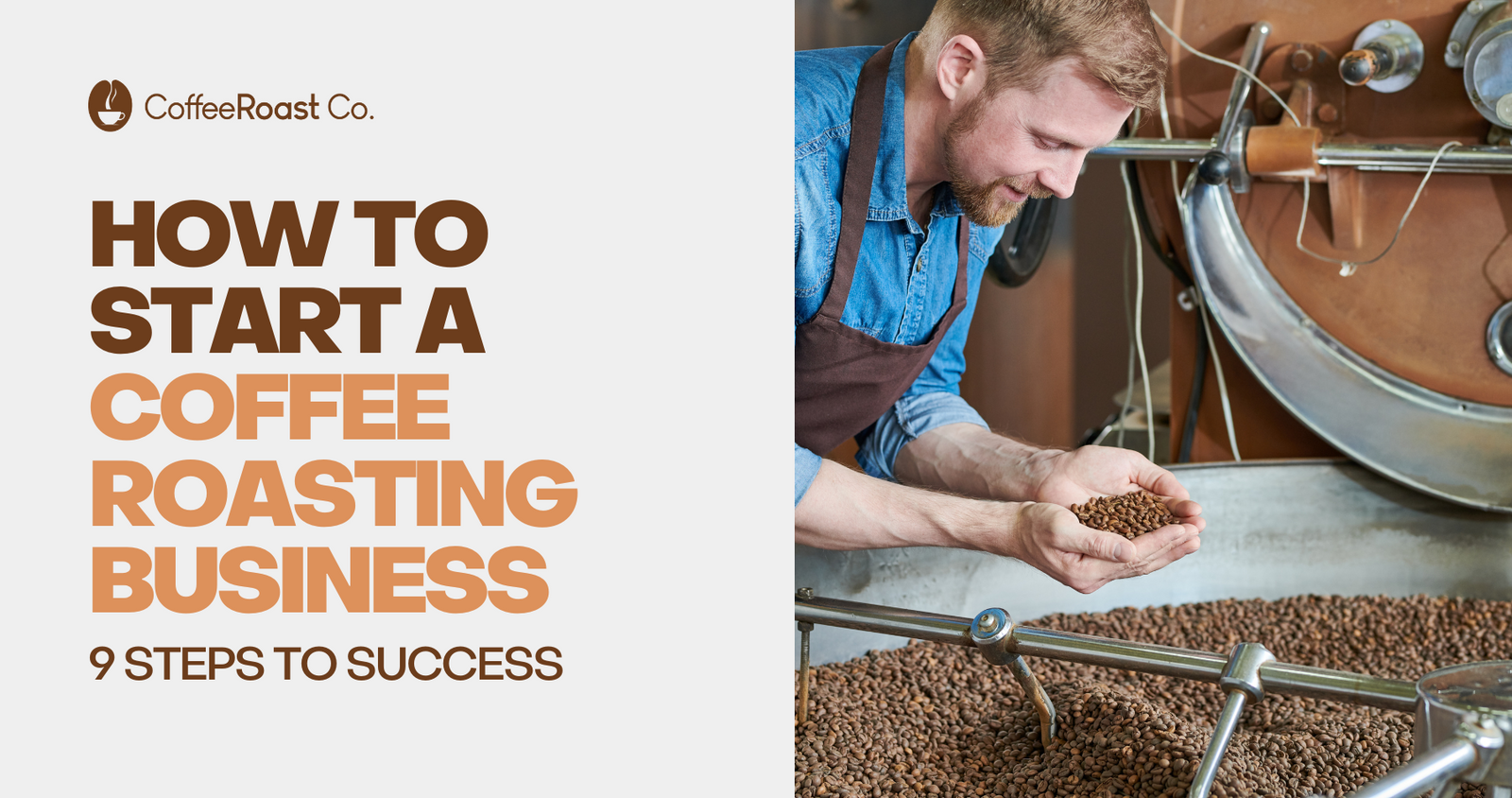
Start a coffee roasting business the right way: 9 steps covering equipment ($4K–$150K), permits, green bean sourcing, and your first wholesale account.
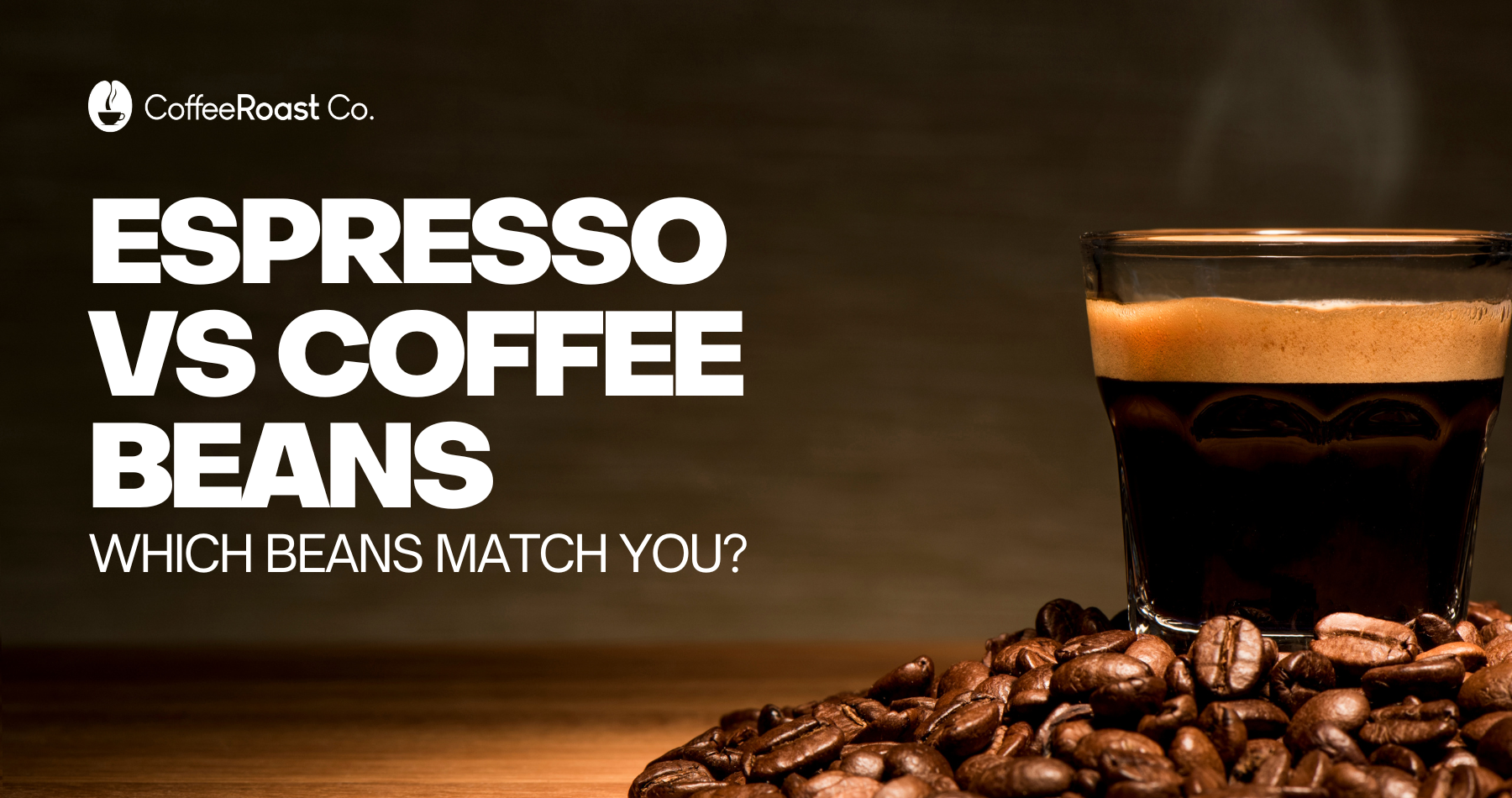
Espresso beans and coffee beans are the same plant. The real difference is roast level, grind size (200–400 vs 600–1,200 microns), and brewing pressure. Here's what that means in practice.
Compare 6 commercial coffee roasters for 2026—Santoker, Golden Roasters, Bideli, and more. Batch sizes, pricing, and top pick for cafes roasting 10–30+ lb/week.
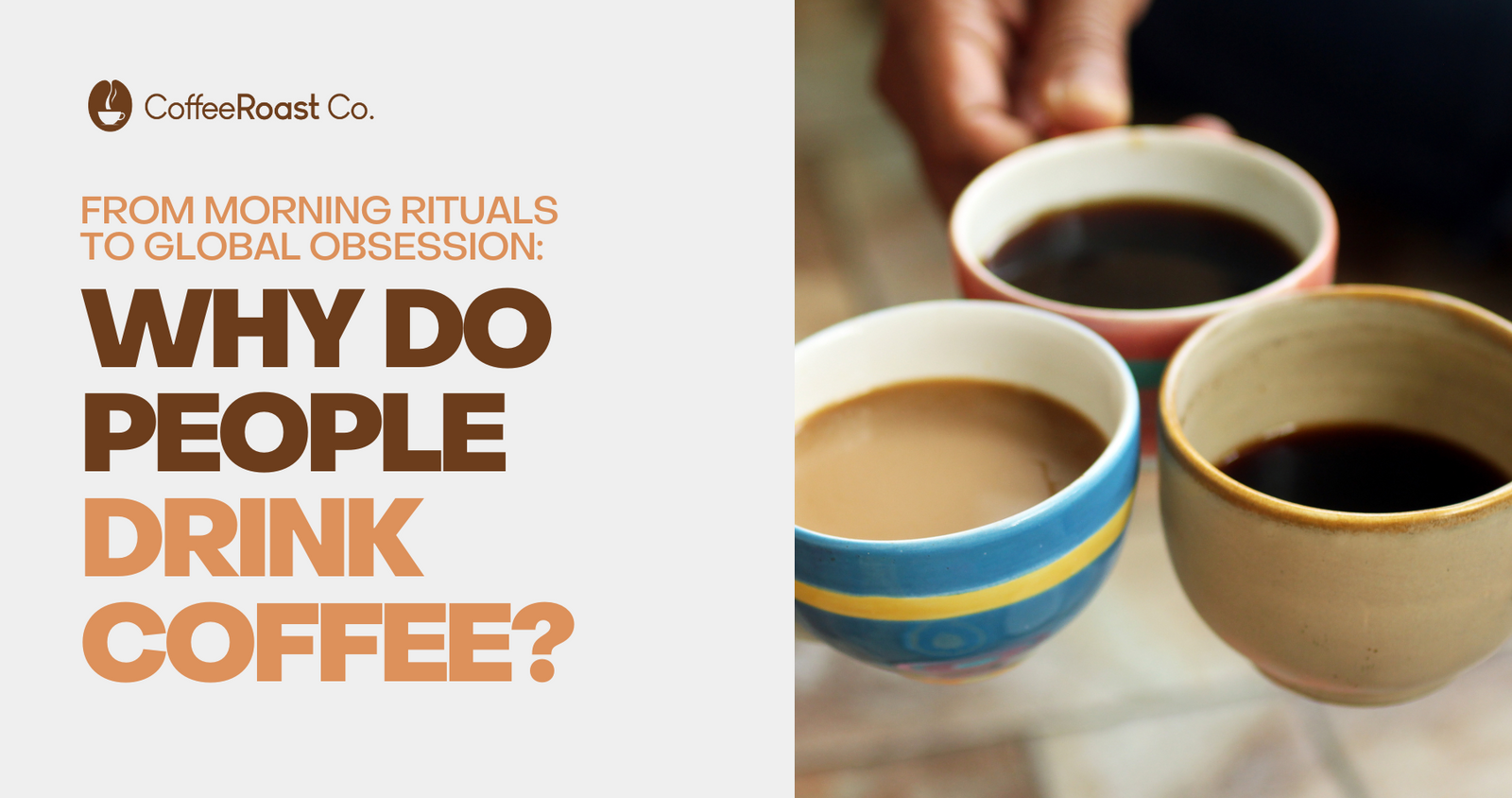
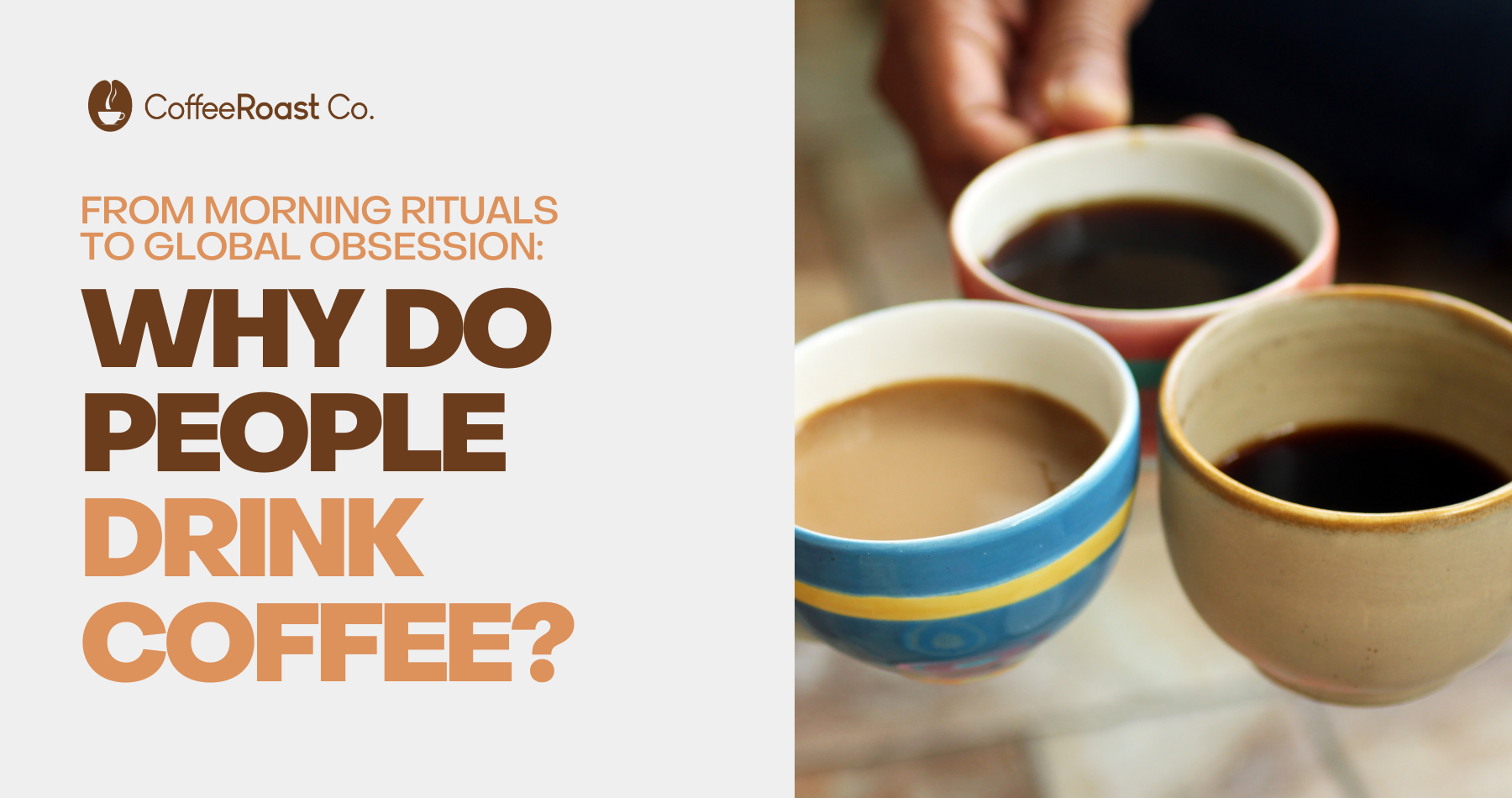
People drink coffee for caffeine's alertness effect, but research links 3–5 cups daily to a 15% lower heart disease risk. Here's what the science and culture say.
Clean your commercial coffee roaster right: empty the chaff collector every 3–5 roasts, deep-clean the drum monthly, and calibrate thermocouples to prevent fires and downtime.
Learn how to brew café-quality coffee at home with the right grinder, water temp, and brewing method. 7 practical tips from roast to pour — updated May 2026.
Brew coffee at 195–205°F and serve at 130–160°F. SCA-backed temperatures by method, roast level, and grind — plus why your drip machine probably runs too cool.