

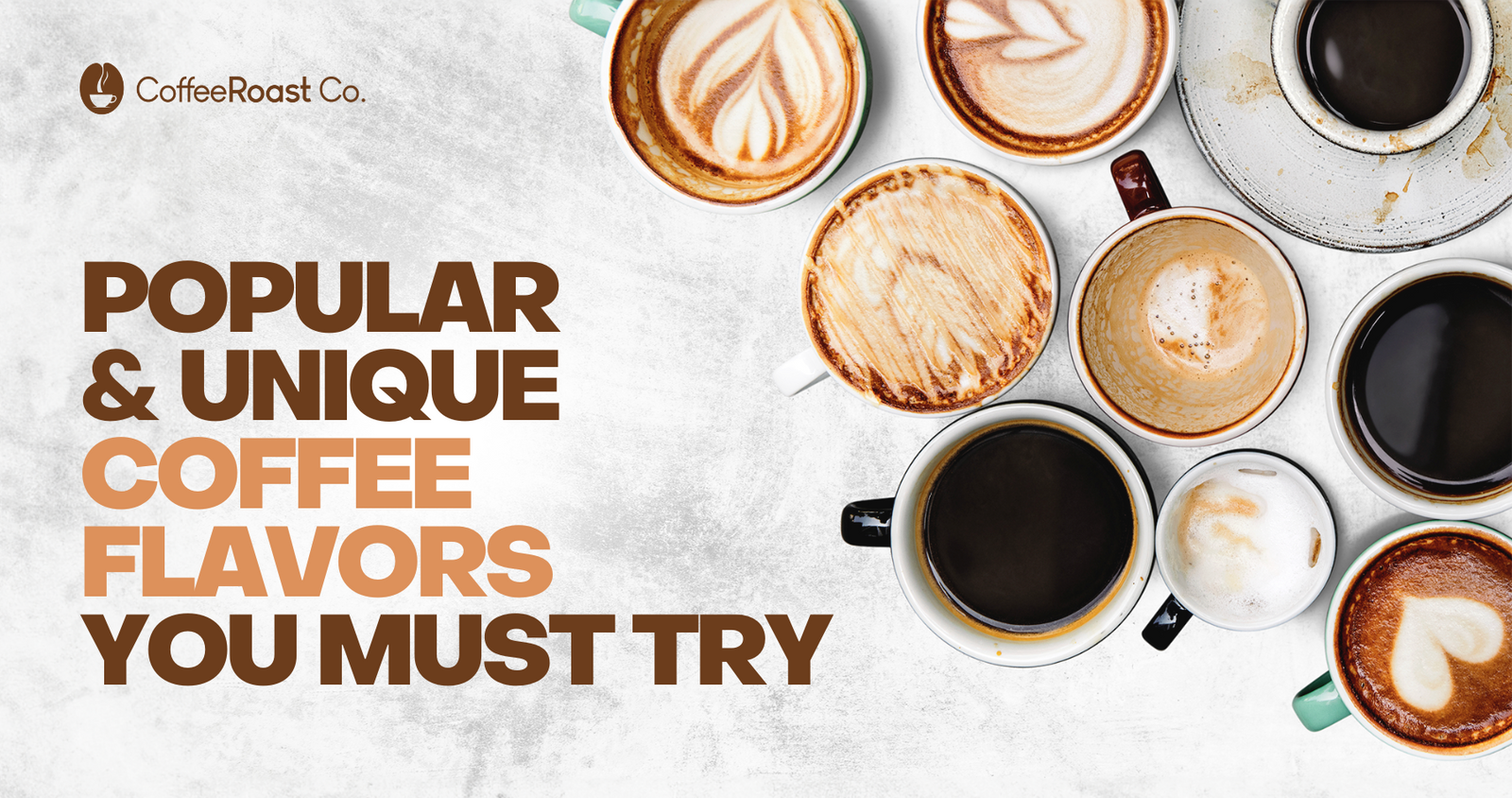

Quick answer: The five most popular coffee flavors are French vanilla, hazelnut, mocha, caramel, and pumpkin spice. Each works differently: some come from natural bean processing, others from flavoring oils added after roasting, and many from syrups added at brew time. If you want the cleanest flavor expression, start with post-roast flavored beans from a quality roaster before reaching for the syrup bottle.
Most coffee flavor guides read like a menu printout. This one tells you where the flavors actually come from, which methods produce better results, and what to pair with what. You don't need to be a coffee obsessive to use it, but you'll probably become a little more picky by the end.
What are the most popular coffee flavors?
Five flavors dominate the flavored coffee market: French vanilla, hazelnut, mocha, caramel, and pumpkin spice. They've stayed on top for a simple reason: they work with the natural bitterness of coffee instead of fighting it. Here's what makes each one worth understanding.
French Vanilla
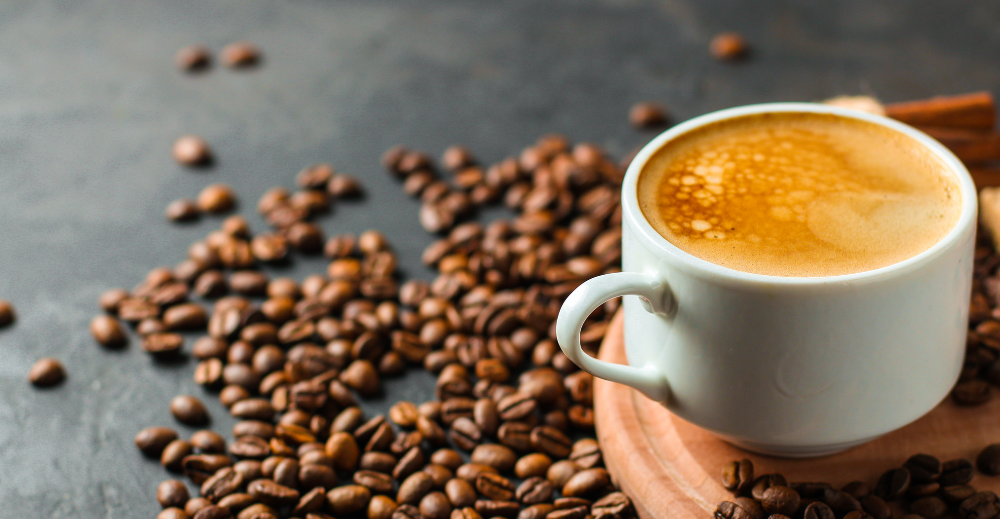
French vanilla isn't just vanilla with a fancier name. The distinction comes from the custard-style base: egg yolks give it a richer, creamier profile than plain extract. In coffee, that translates to a rounder sweetness that doesn't go thin the way artificial vanilla can.
It's the most forgiving entry point for anyone new to flavored coffee. The creamy notes cushion medium and dark roasts equally well. If you're brewing at home and want something that works without much fuss, a French vanilla post-roast bean from a quality roaster is hard to beat.
Hazelnut
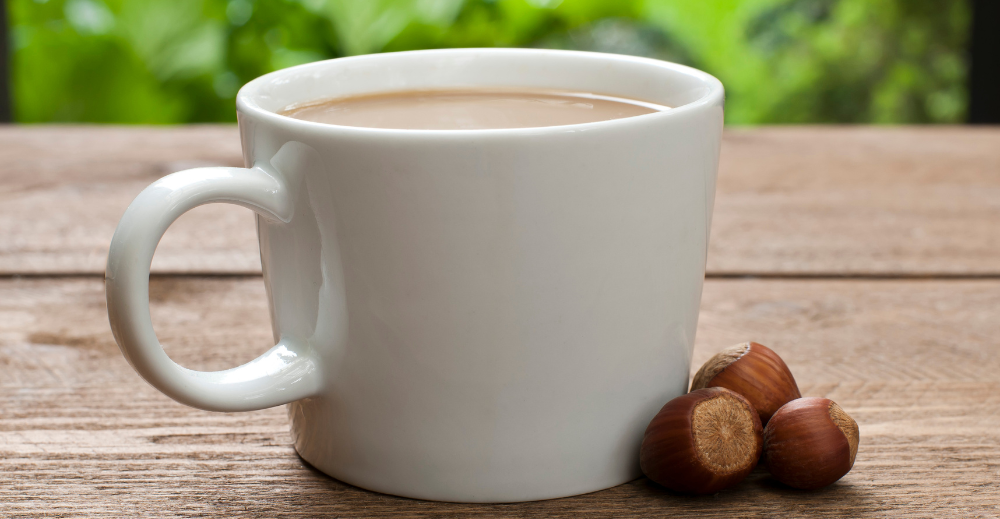
Hazelnut coffee earns its popularity because the nut's natural oils have a buttery, slightly sweet character that mirrors what happens to coffee during Maillard browning. The two flavors don't just coexist; they reinforce each other.
Worth knowing: cheap hazelnut flavoring leans synthetic and sharp, especially when the coffee cools. If your hazelnut cup tastes fine hot but turns medicinal at room temperature, the issue is the flavoring quality, not the roast. Brands like Torani and Monin use propylene glycol as a carrier, which is food-safe but does affect mouthfeel at higher doses. Look for beans flavored with pure hazelnut oil if you can find them.
Mocha
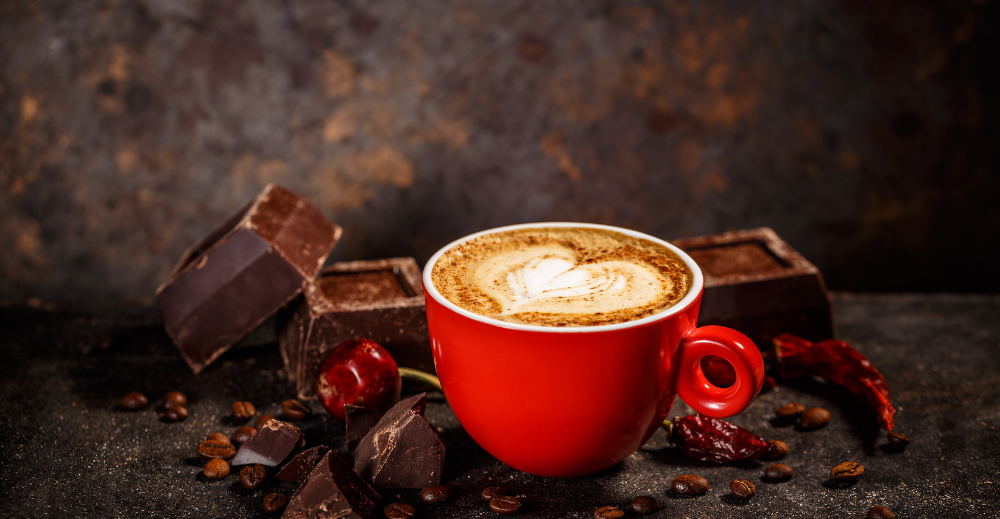
Mocha is coffee plus chocolate. That's it. But the ratio matters more than people admit. A mocha with too much chocolate syrup just tastes like hot chocolate with a coffee aftertaste. A well-made mocha uses maybe 15 to 20 ml of dark chocolate sauce for a 12 oz drink, enough to add depth without erasing the espresso underneath.
For home brewing, unsweetened cocoa powder blended into the grounds before brewing is a cleaner approach than syrup. You get the chocolate character without the sugar spike mid-cup.
Caramel
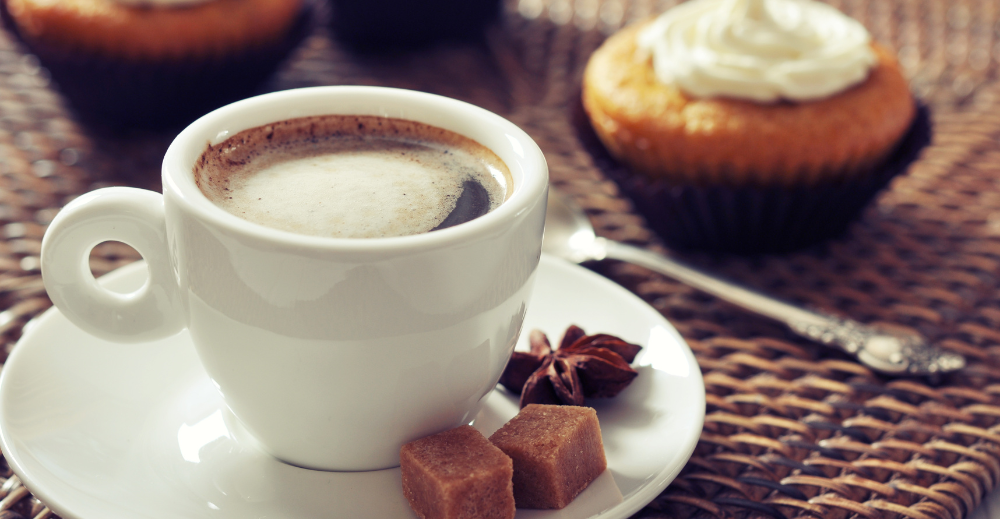
Caramel works because it's a product of the same Maillard reaction that roasts coffee in the first place: heated sugars breaking down into hundreds of flavor compounds. The two are chemically related, which is why the pairing feels intuitive. A light caramel drizzle on a medium roast brings out the coffee's own brown-sugar notes without adding much sweetness. A heavy caramel sauce on a dark roast is a dessert drink; good if that's what you want, but don't expect to taste the coffee.
Pumpkin Spice
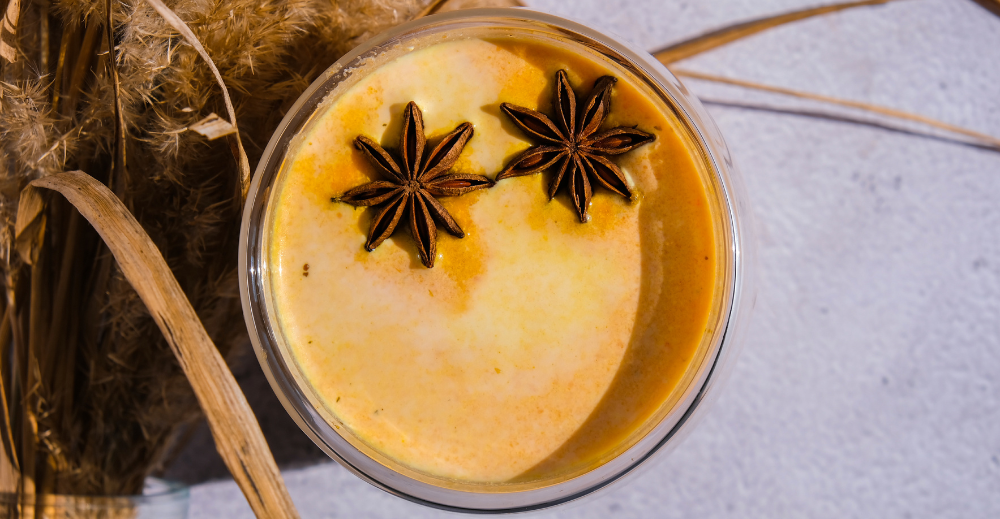
The actual blend is cinnamon, nutmeg, ginger, cloves, and allspice with no actual pumpkin in most formulations. The spices mask bitterness effectively, which is part of why the flavor became a shortcut for making mediocre coffee taste intentional. That's a feature if you're working with grocery-store beans; it's beside the point if you're starting with quality green coffee roasted well.
Pumpkin spice is a fall seasonal by convention, not necessity. The spice blend works fine year-round in cold brew and iced lattes.
How are coffee flavors actually made?
Three production methods account for almost all flavored coffee. They produce noticeably different results in the cup, and knowing which you're buying helps you calibrate expectations.
Natural processing (the origin method)
This isn't a flavoring method in the traditional sense. With natural processing, coffee cherries dry with the fruit still attached to the bean. The sugars and acids from the fruit leach into the bean during the 2 to 6 week drying period, producing naturally fruity, wine-like, or fermented flavor notes. Ethiopian naturals and Brazilian natural lots are the clearest examples. You're tasting the terroir, not added flavoring.
The catch is consistency. Natural processing amplifies variation, so a well-executed lot tastes extraordinary while a poorly executed one tastes funky in a bad way. If you order a natural-processed Ethiopian and it smells like overripe fruit or sauerkraut, that's a processing defect, not an exotic feature.
Post-roast oil coating
Most flavored coffee you see on grocery store shelves uses this method. Freshly roasted beans, still warm and porous, are tumbled with flavoring oils shortly after they exit the roaster. The oils absorb into the surface of the bean. The result is a pronounced, consistent flavor that holds well in storage.
The failure mode: the oil coating can go rancid faster than an uncoated roasted bean. Flavored beans with a strongly artificial smell (like sunscreen or synthetic candy) have usually been sitting too long or were over-dosed with cheap flavoring concentrate. Buy from a roaster who dates their bags.
Flavored syrups (added at brew time)
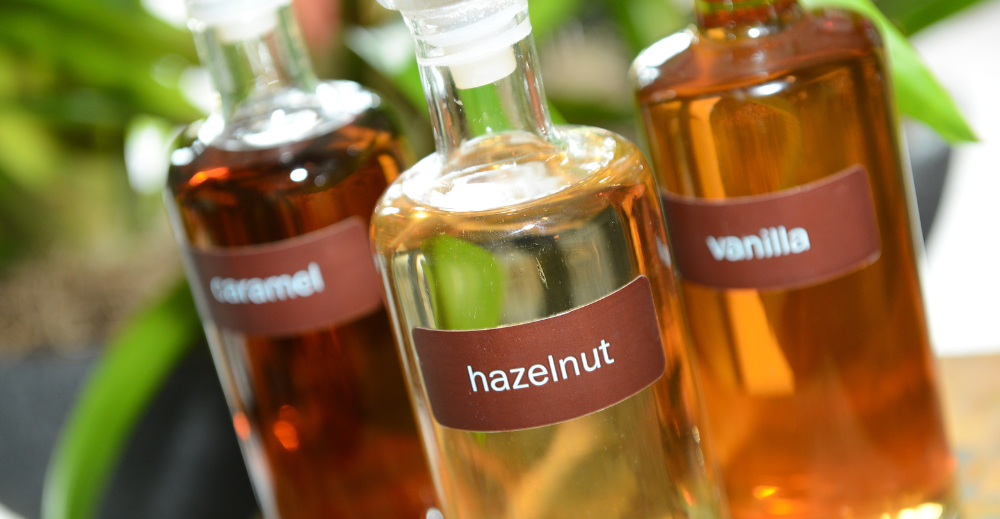
Syrups give you the most control over intensity. A standard pump from a Torani or Monin bottle delivers about 7 to 10 ml of syrup, enough to flavor a 12 oz drink with one pump. Adjust from there. The trade-off is that sugar-based syrups add calories fast, and the sweetness can obscure the coffee's actual flavor profile.
Sugar-free versions use sucralose or erythritol. They work fine for most people, but erythritol-based syrups have a noticeable cooling sensation on the palate that can feel odd in a hot drink. If that bothers you, the sucralose versions are cleaner.
What are some unique coffee flavors to try?
Beyond the top five, there are flavors that reward curiosity. These four are genuinely interesting, not just gimmicks.
Amaretto
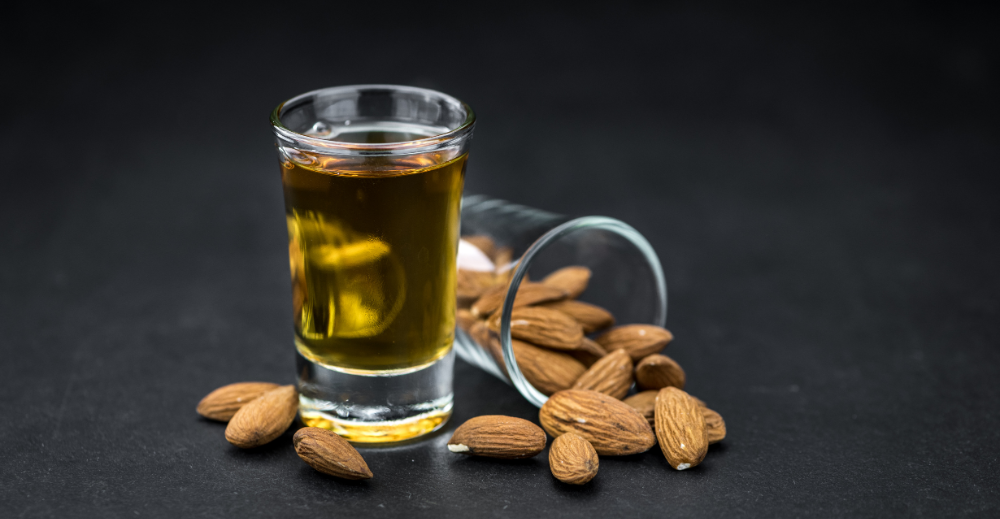
Amaretto flavoring (the coffee version, not the liqueur) gets its almond-apricot character from benzaldehyde, the same compound behind bitter almonds. It pairs particularly well with medium-roast beans that have their own stone fruit notes. If you've had a washed Colombian or Guatemalan that tasted faintly of cherry or nectarine, amaretto flavoring brings that forward rather than burying it.
Butterscotch
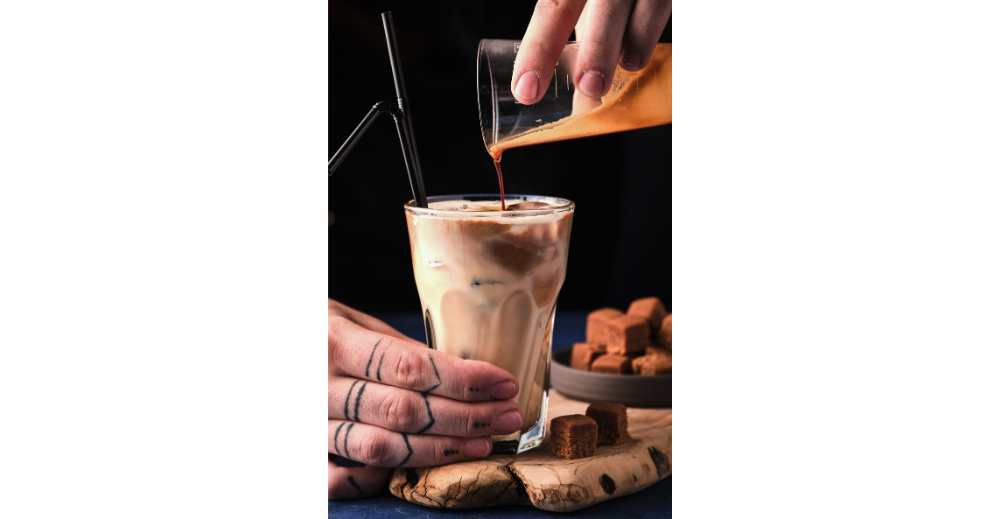
Butterscotch is brown sugar and butter cooked together, which gives it a deeper, less sharp sweetness than caramel. In coffee, it reads as toffee and brown sugar with a slight creaminess that works especially well in cold brew. It's not a commonly stocked flavor in most shops, which is part of its appeal; you'll usually need to make it at home with a good butterscotch syrup.
Chai Spiced Coffee
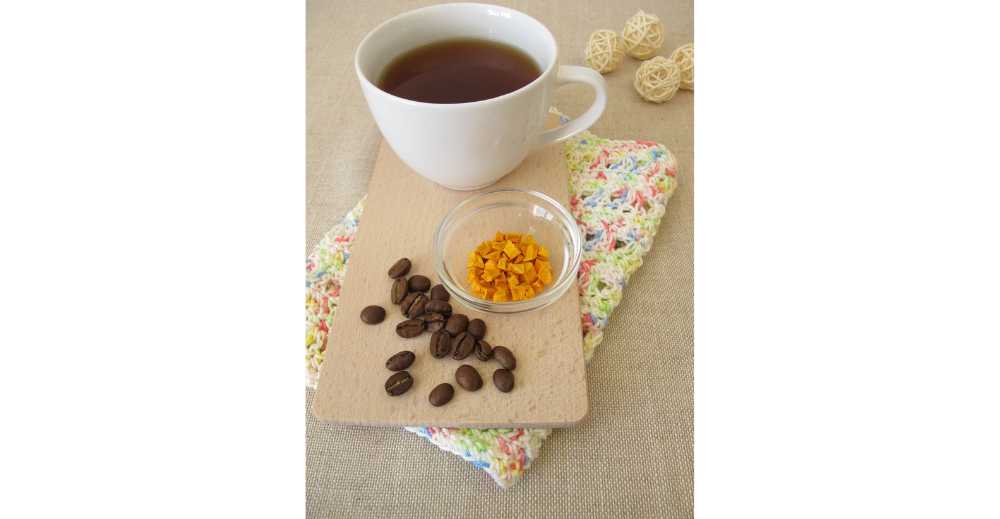
Chai spice in coffee is cardamom-forward, with cinnamon, black pepper, and ginger underneath. Cardamom specifically has a natural affinity for dark roast because it cuts through bitterness without adding competing acidity. Traditional Ethiopian and Turkish coffee preparations have used cardamom for centuries. If you haven't tried a shot of espresso with a pinch of cardamom ground into the dose, it's worth the experiment.
Peppermint
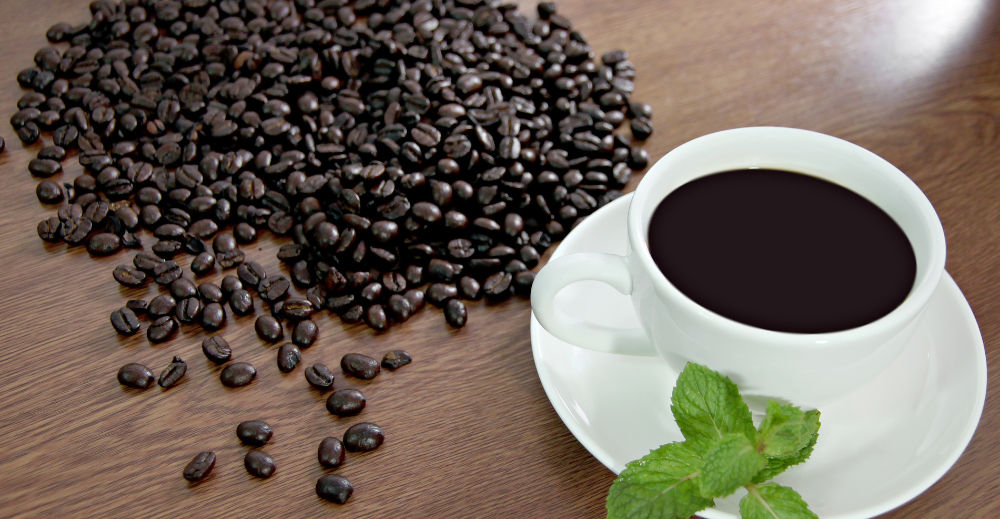
Peppermint and coffee is a more demanding pairing than it looks. Menthol is an aggressive flavor that can overwhelm everything if overdone. The right dose for most people is about half what they'd expect: roughly 5 ml of peppermint syrup in a 12 oz latte rather than a full pump. The result is a cooling brightness that makes a dark roast feel lighter without actually changing the roast character. It works year-round in iced drinks even though the holiday association makes it feel seasonal.
How do you pair flavored coffee with food?
The principle is the same as wine pairing: complement or contrast, but don't fight. Flavored coffee has a stronger flavor identity than black coffee, so the food pairing needs to either reinforce the dominant note or provide a counterpoint that makes both taste better.
| Coffee Flavor | Best Food Pairing | Why It Works |
|---|---|---|
| French Vanilla / Hazelnut | Almond croissant, banana nut bread, butter pastry | Shared nutty-sweet compounds; richness matches richness |
| Mocha / Chocolate | Dark chocolate cake, chocolate croissant, espresso brownie | Doubling the cocoa note deepens complexity rather than muddying it |
| Caramel | Shortbread, salted caramel tart, lightly toasted brioche | The salt-fat contrast in shortbread lifts caramel sweetness |
| Pumpkin Spice / Chai | Apple pie, pumpkin bread, spiced oat cookies | Spice-on-spice reinforcement; warming compounds stack cleanly |
| Peppermint | Dark chocolate, thin mint cookies | Classic pairing; mint cuts chocolate's fat and brightens the finish |
| Butterscotch / Amaretto | Pecan pie, almond biscotti | Nut oils in both the coffee and the food reinforce each other |
The rule nobody mentions: avoid acidic foods with heavily sweet flavored coffees. A blueberry muffin with a caramel latte sounds good on paper but the fruit acid clashes with the caramel sweetness in a way that leaves both tasting flat. Save the fruity pairings for naturally processed or lightly roasted coffees that already have their own fruit character.
Frequently Asked Questions
What is the difference between flavored coffee beans and flavored syrup?
Flavored beans have flavoring oil applied to the bean surface after roasting: you brew the coffee normally and the flavor is already in the grounds. Flavored syrup is added to brewed coffee at serving. Beans deliver more integrated flavor; syrups give you more control over intensity and let you use any coffee you want as the base. Quality varies widely in both categories.
Does flavored coffee have more calories than regular coffee?
Flavored beans brewed as black coffee add essentially no calories: the flavoring oils coat the outside of the bean and don't significantly affect nutrition. Flavored syrups are a different story. A standard 1-pump serving of Torani classic syrup adds about 20 calories and 5 g of sugar; a full 4-pump flavored latte can add 80 to 100 calories from syrup alone before you account for milk.
What makes French vanilla different from regular vanilla?
French vanilla traditionally refers to a custard-style preparation using egg yolks, which gives it a richer, creamier profile than plain vanilla extract or vanilla bean. In coffee flavoring, "French vanilla" typically signals a rounder, more buttery sweetness compared to the sharper, more floral quality of straight vanilla. In practice, manufacturers use it loosely, so results vary by brand.
Can I make flavored coffee at home without buying pre-flavored beans?
Yes. The most effective approach is adding flavoring directly to the grounds before brewing: a pinch of cinnamon, cardamom, or unsweetened cocoa powder blends into the grounds and extracts with the coffee. You can also use quality syrups added to brewed coffee. Post-roast oil coating at home isn't practical without professional equipment, but the grounds method gets you 80% of the way there.
Why does my flavored coffee taste artificial?
Three likely causes: the flavoring oil used was low quality or applied in too high a concentration, the beans have gone stale (flavoring oils oxidize and go off faster than the coffee itself), or the syrup you're using has a high proportion of artificial compounds versus natural flavoring. Buy dated bags, store flavored beans in an airtight container away from light and heat, and use them within 2 to 3 weeks of opening.
What coffee roast works best with added flavors?
Medium roast is the most flexible base for added flavors because it has enough body to carry flavoring without the roast character overwhelming the added notes. Light roasts have more delicate, origin-specific flavors that get buried by most flavoring oils. Dark roasts work well with bold pairings like mocha or peppermint that can stand up to the roast's intensity, but subtler flavors like French vanilla tend to disappear.
Are natural coffee flavors better than artificial ones?
Under FDA rules (21 CFR § 101.22), "natural flavors" must come from plant or animal sources via specified processes, while "artificial flavors" can be synthesized. In practice, many artificial flavor compounds are chemically identical to their natural counterparts. The more meaningful quality signal is whether the flavoring was applied well, at the right concentration, and to fresh beans: that matters more than the natural/artificial label in most cases.
Key takeaways:
- The five most popular coffee flavors are French vanilla, hazelnut, mocha, caramel, and pumpkin spice. Each works because it complements rather than fights coffee's natural bitterness.
- Post-roast oil coating is the most common production method for pre-flavored beans; quality drops fast if beans aren't fresh or flavoring concentration is too high.
- Flavored syrups give you the most control over intensity. A standard pump from Torani or Monin is about 7 to 10 ml, enough for a 12 oz drink with one pump.
- Medium roast is the best base for most added flavors; light roasts are too delicate, and dark roasts need bold pairings like mocha or peppermint to hold their own.
- For food pairing, match dominant flavor compounds and avoid acidic foods with sweet-heavy coffee flavors: the conflict flattens both.
For more on the coffee behind the flavor, CoffeeRoast Co.'s guide to the coffee bean roasting curve is the right next read. And if you're thinking about roasting your own beans to control the flavor from the start, the guide to choosing green beans covers which origins and processing methods produce which natural flavor profiles.
Follow the CoffeeRoast Co. blog for more on brewing, roasting, and getting the most out of what's in your cup.


Dejar un comentario