

Quick answer: For a single daily cup or travel use, a quality manual burr grinder like the Comandante C40 ($200) delivers grind consistency that rivals electric burr grinders costing twice as much. For households pulling two or more cups per morning, an electric flat-burr grinder wins on speed and repeatability. Blade grinders belong in neither conversation.
Most people treat this as a lifestyle question — the romantic hand-grind ritual versus the push of a button. That's the wrong frame. What ends up in your cup comes down to burr geometry, particle distribution, and how much time you actually have each morning. Whether the power source is your arm or a motor is secondary to all of that.
Why does grind consistency matter more than grinder type?
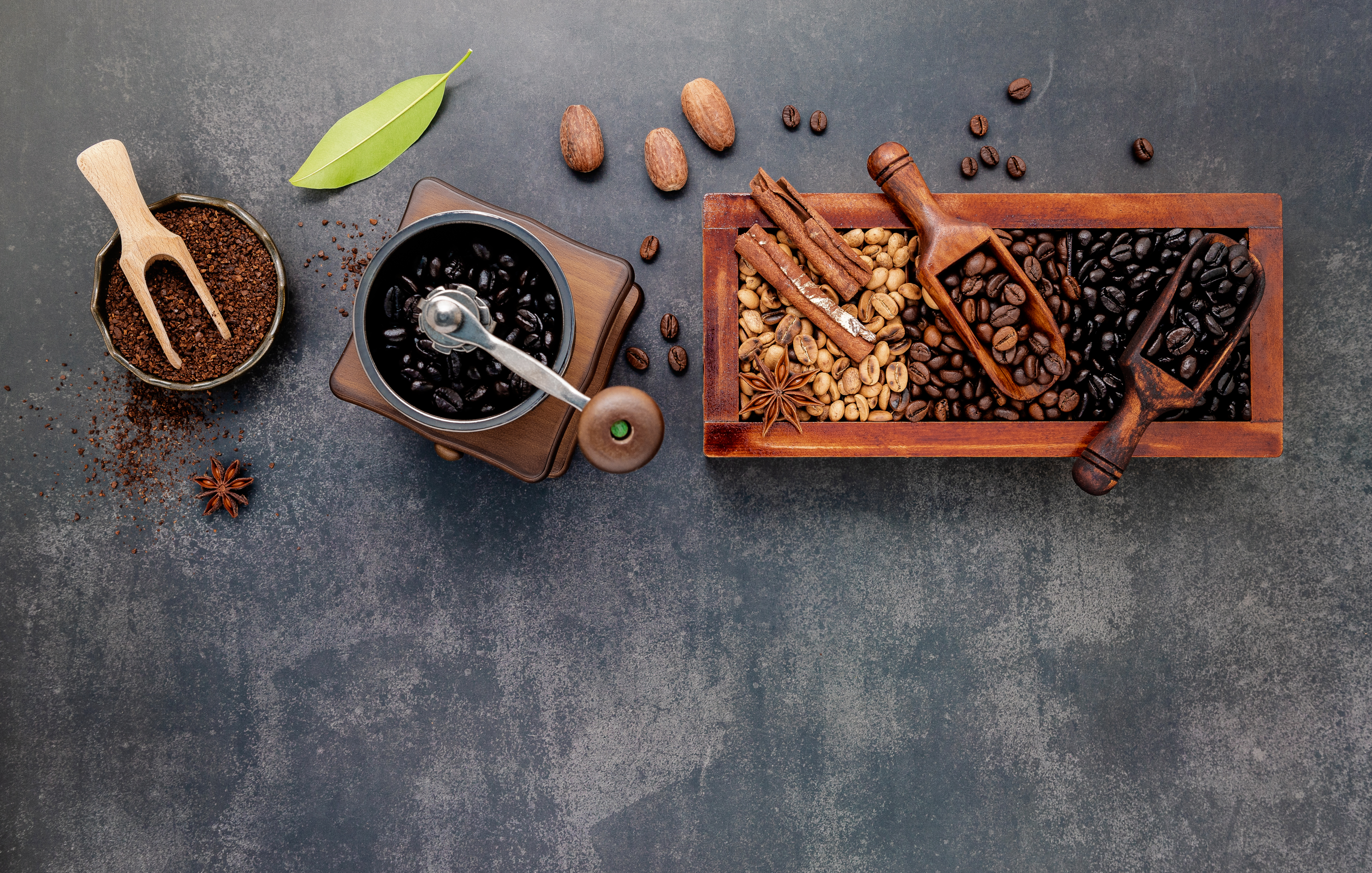
Grind size controls how fast water pulls soluble compounds out of your coffee. Finer particles have more surface area, so extraction runs faster. Grind too fine and you over-extract — the cup turns harsh and bitter. Too coarse and you under-extract: thin, sour, no sweetness. Your brew method sets the target size; your grinder's job is to hit it reliably every single time.
That word "reliably" is doing a lot of work. A grinder that averages 400 microns but swings widely in either direction produces over-extracted fines and under-extracted chunks in the same batch. You taste that as muddy, unresolved flavor. The SCA's extraction yield target for brewed coffee sits at 18-22% under Standard 310-2021, and hitting that range requires a particle distribution tight enough for even extraction. That's why burr geometry is what actually matters. A blade chopper just fragments beans at random — it can't get you there.
For a full walkthrough of which grind size fits which brew method, the grind size guide on the CoffeeRoast Co. blog covers it in detail.
Manual coffee grinders: what you're actually buying
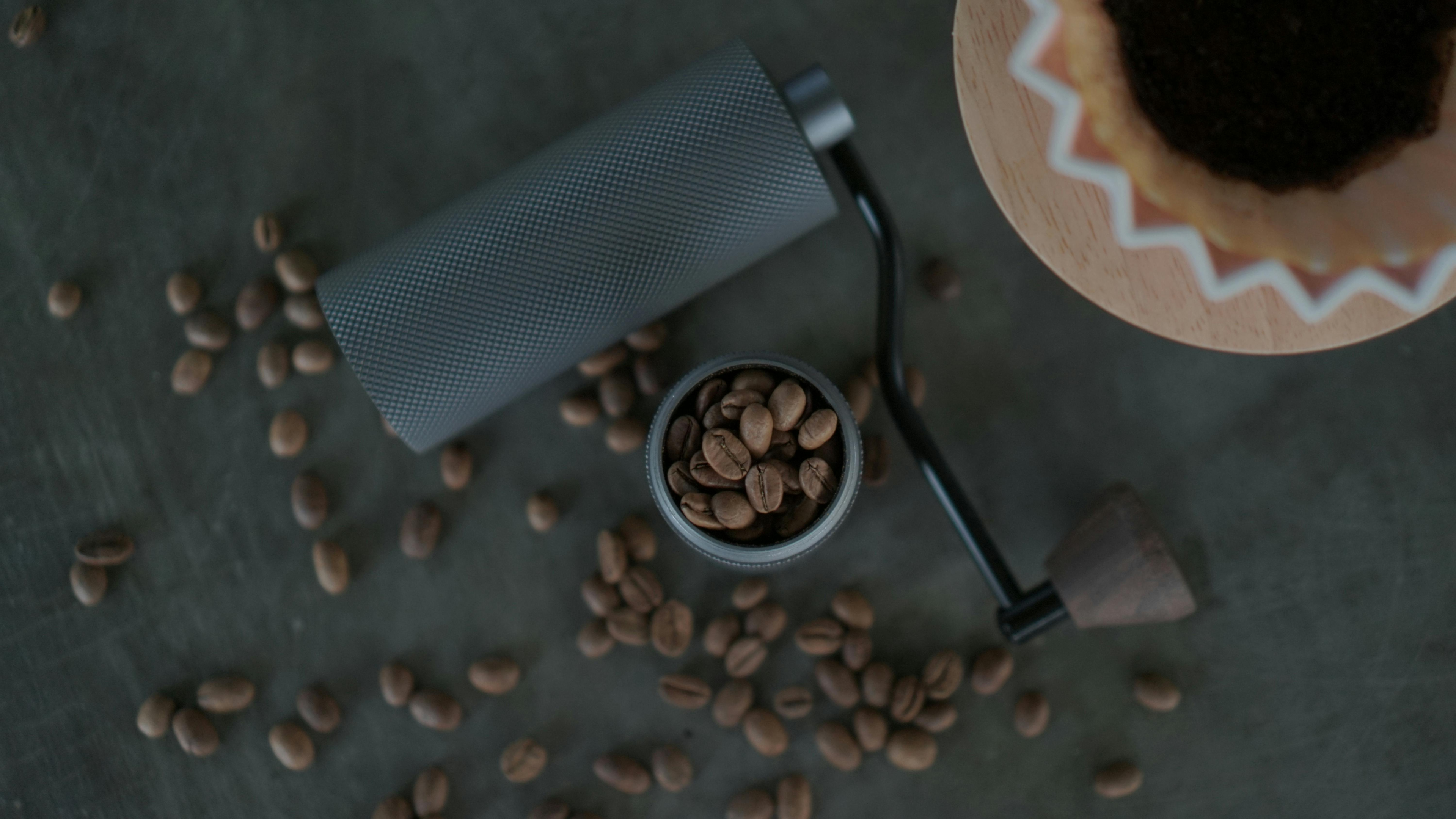
Manual burr grinders work the same fundamental way as electric burr grinders: two burrs shear beans into particles, and the gap between them determines grind size. The difference is your arm is the motor. Better models like the Comandante C40, 1Zpresso JX-Pro, and Hario Skerton Pro use hardened steel or ceramic burrs machined to tight tolerances that hold their shape across thousands of grams of coffee.
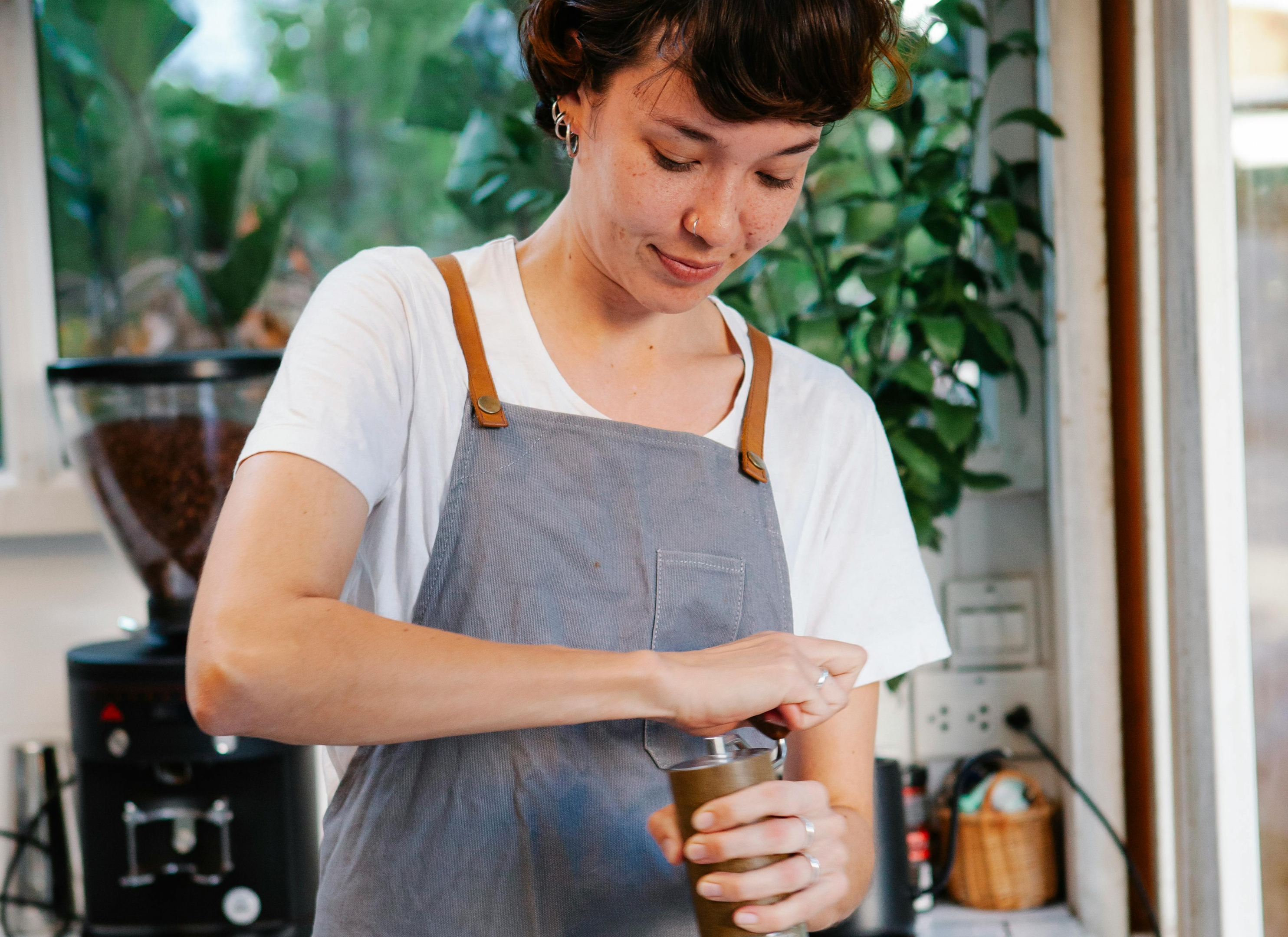
The burr set is what you're really paying for. Entry-level hand grinders under $40 typically use conical burrs with loose axle tolerances — the spindle wobbles slightly as you crank, and that wobble shows up as inconsistent particle size. The Hario Mini Mill is a reasonable starting point at that price, but cup it against something with tighter tolerances and you'll feel the gap immediately. The $80-200 range is where the geometry gets precise enough to matter for espresso and pour-over.
For a step-by-step on actually using one, the manual grinder how-to guide covers technique in detail.
Where manual grinders win
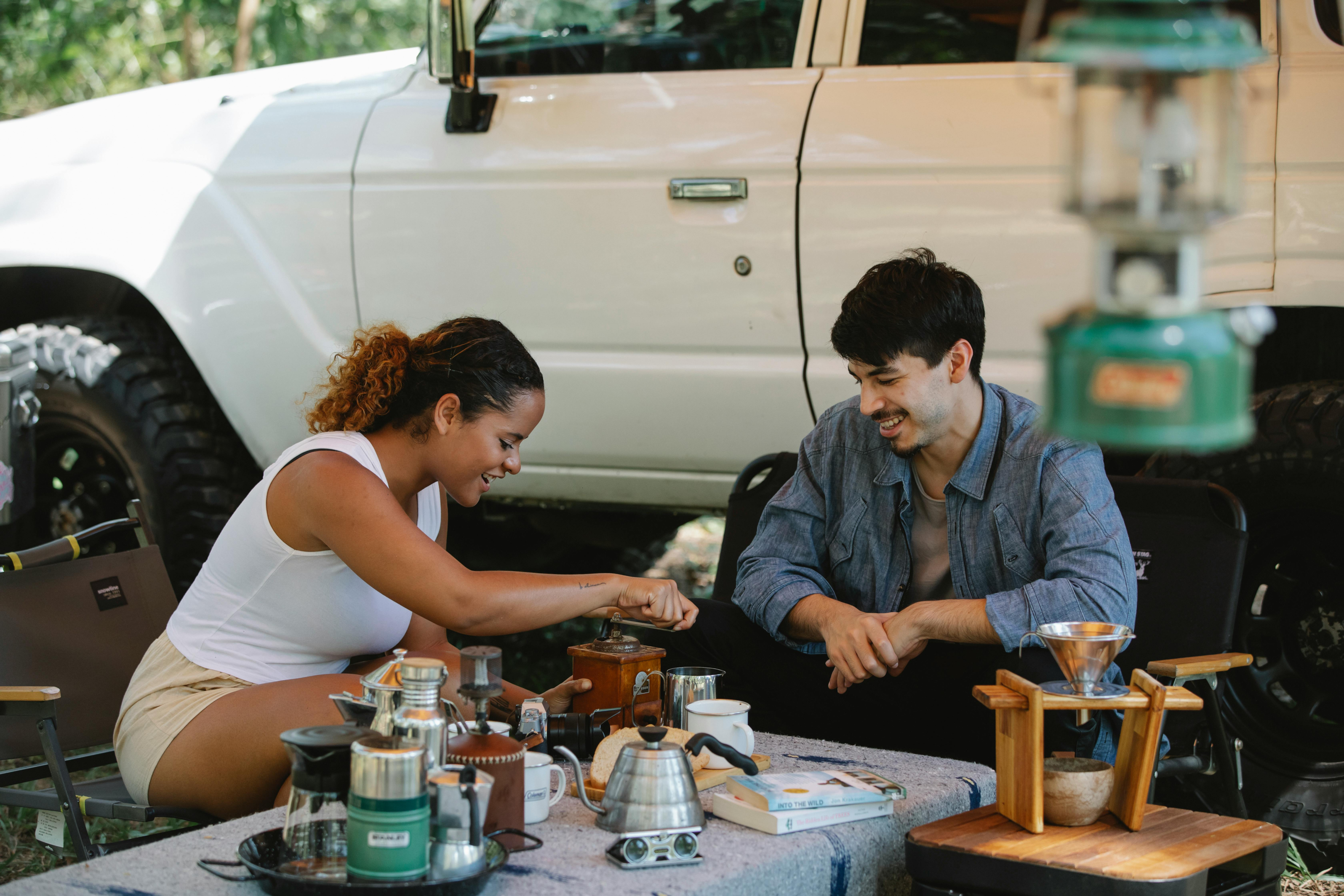
- No electricity needed. Genuinely useful for camping, travel, or any kitchen where outlet access is awkward.
- Quiet. At around 35 dB, a hand grinder barely registers. At 6 a.m. in a shared apartment, that's a real advantage — not a minor perk.
- For an 18-20 g espresso dose, a quality hand grinder takes 45-90 seconds. Slow for multiple cups, fine for a solo morning session.
- Lower heat generation than a high-RPM electric motor. Whether that delta shows up in the cup at home volumes is debated, but the physics are real.
Where manual grinders fall short
- Grinding 60 g for a full French press takes 4-6 minutes by hand. That's a real time cost, not a rounding error on your morning.
- Most hand grinders cap at 30-40 g per load. More than one guest means multiple refills and multiple grinding sessions.
- Repeatability depends on you. The grinder can be calibrated; your arm pressure and speed vary morning to morning. An electric motor doesn't have off days.
Electric coffee grinders: where they earn their price
Electric grinders split into two categories that are essentially different products: burr grinders and blade grinders. For the full breakdown of why those aren't interchangeable, the burr vs. blade guide covers it thoroughly.
Blade grinders spin metal blades at high RPM and chop beans into uneven fragments of random sizes. They generate more heat than burrs and can't produce a distribution tight enough for espresso or pour-over. If you only make drip coffee and you've never cupped a blade grinder against a burr, you might not notice the difference. But once you do, it's hard to go back.
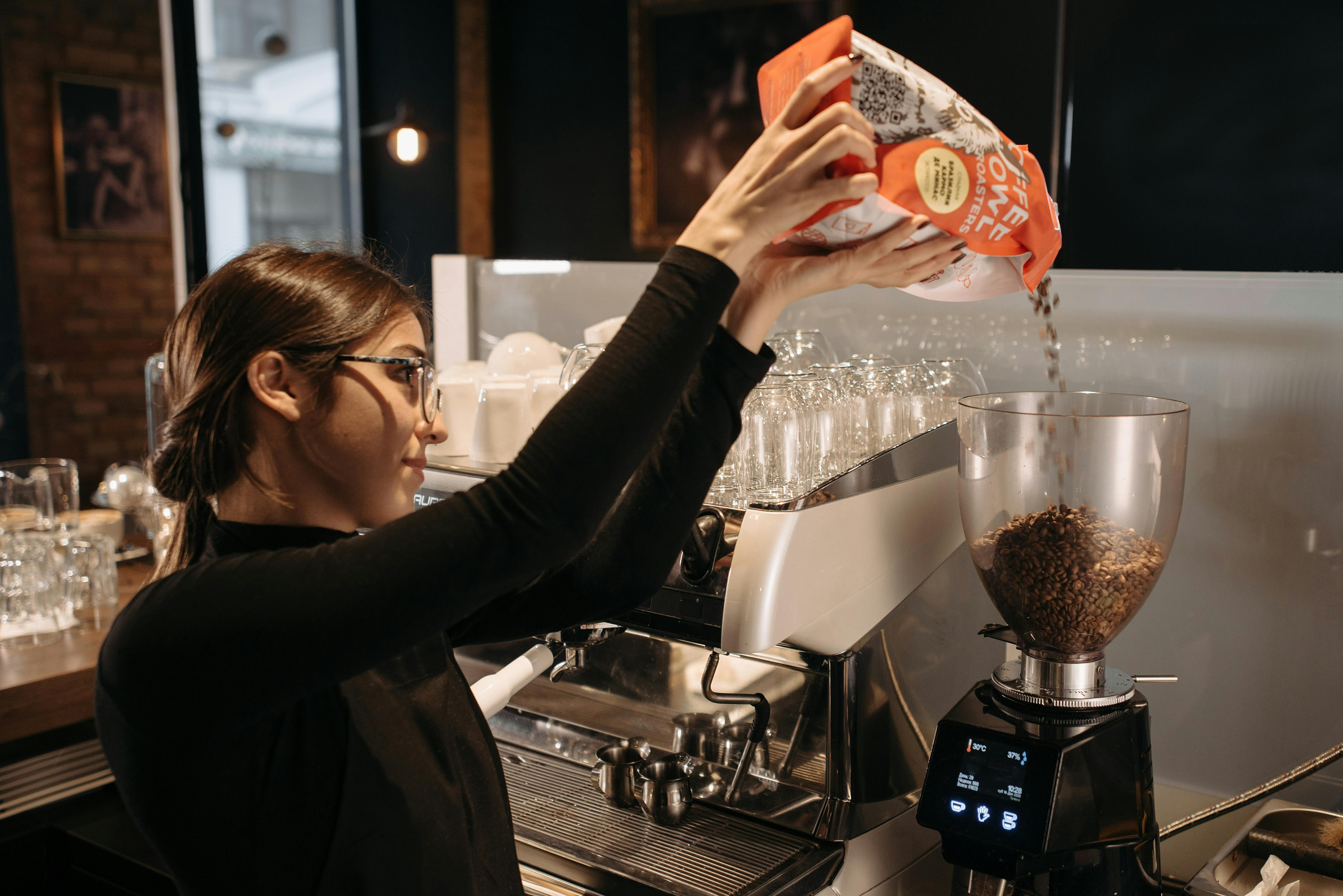
Electric burr grinders are the real comparison point here. An entry-level flat-burr electric like the Baratza Encore at around $170 outgrinds any hand grinder under $80 on speed and holds its own against mid-tier hand grinders for filter work. Step up to the Baratza Vario+ at $550 or the Eureka Mignon Specialita with its 64 mm flat burrs at around $400, and repeatable home espresso is genuinely achievable.
Where electric grinders win
- Speed. A Baratza Encore grinds an 18 g espresso dose in under 10 seconds. A 60 g French press dose takes about 20 seconds. If you're making coffee for two people before work, that's not a small difference.
- Consistency at volume. The motor turns at the same RPM every time. If you're pulling multiple shots in a session, that mechanical repeatability compounds in your favor.
- Hopper capacity. Most electric burr grinders hold 150-250 g of whole beans — practical for households that grind daily without constant refills.
- Programmable dosing timers on mid-range models remove one more variable from your morning.
Where electric grinders fall short
- Budget electric burr grinders under $100 often use plastic burr sets with tolerances that aren't meaningfully better than a cheap hand grinder. An $80 Comandante will outperform a $70 electric burr grinder on grind quality. Price doesn't automatically buy performance.
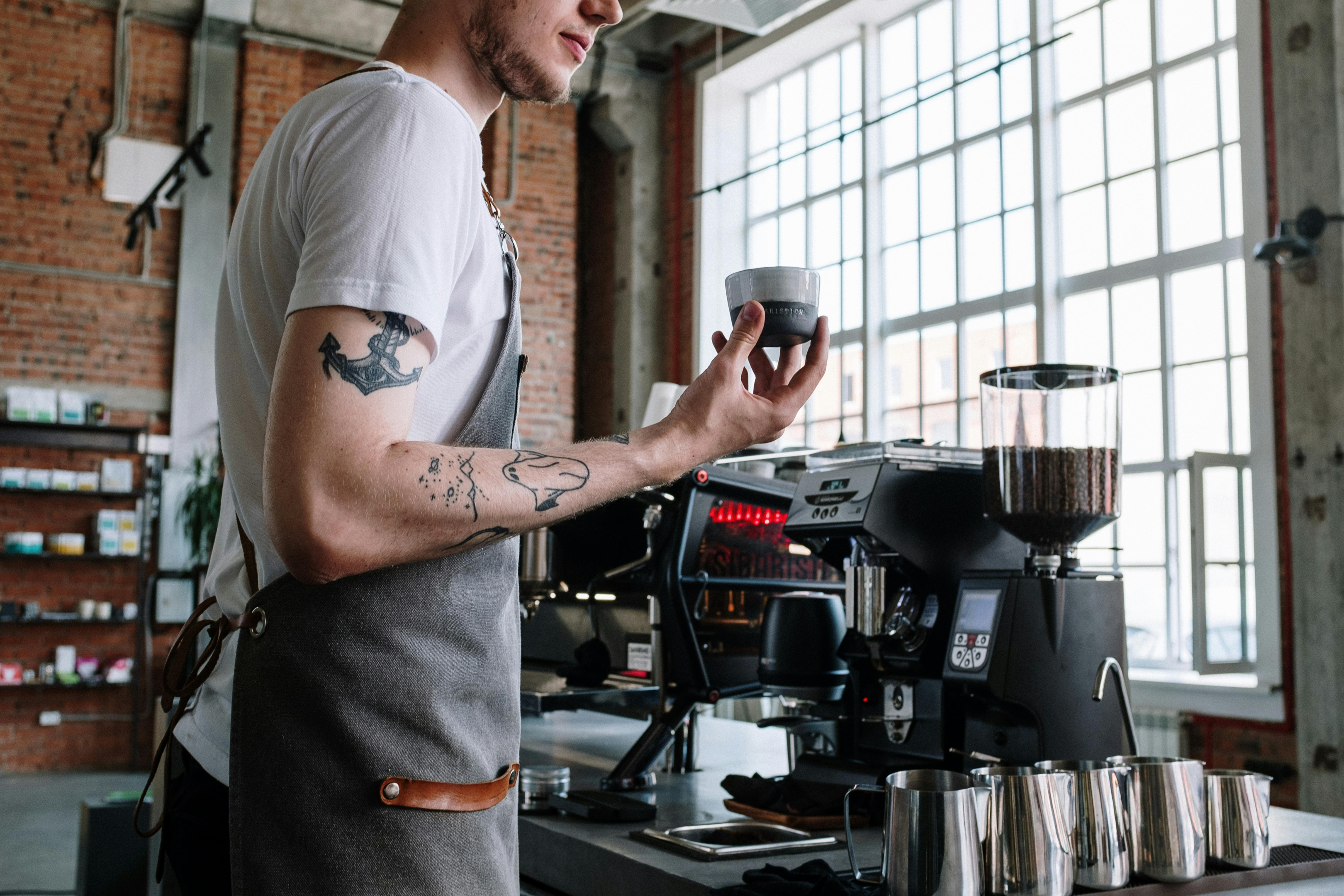
- Noise is real. Electric grinders run 65-85 dB during operation. A Baratza Encore measures around 70 dB at one meter — roughly a loud dishwasher. Not ideal for shared spaces or early mornings.
- More moving parts means periodic maintenance. Baratza's burr replacement program runs $60-80 depending on the model — the best service program in the category, but still a cost to factor in.
Head-to-head: the five axes that actually separate them
| Axis | Manual burr | Electric burr | Electric blade |
|---|---|---|---|
| Grind consistency | High (mid-tier+), variable (entry) | High (mid-tier+), variable (entry) | Low |
| Speed (18 g dose) | 45-90 seconds | 5-15 seconds | 10-20 seconds |
| Noise | Low (~35 dB) | High (65-85 dB) | Very high (80-90 dB) |
| Entry price for quality | $80-200 | $150-400 | $20-50 |
| Travel / off-grid | Yes | No | Somewhat (corded) |
Heat comes up constantly, so here's the honest answer: manual grinders do generate less friction heat than electric motors — that's just physics. But at home doses of 18-20 g, the temperature delta at the burrs amounts to a few degrees Celsius. In controlled cuppings at that dose, most tasters can't reliably distinguish the two. Heat becomes a meaningful variable in back-to-back commercial grinding at 200+ g continuous, not in your kitchen. Grind consistency is a far bigger flavor lever than heat at home volumes.
For more on how particle distribution affects specific brew methods, the CoffeeRoast Co. brewing methods guide covers espresso, pour-over, French press, and cold brew separately.
Which one should you buy?

If you're making one or two cups a day and you enjoy the process, a hand grinder in the $100-200 range will serve you for years without feeling like a compromise. The 1Zpresso JX-Pro handles espresso-fine with enough consistency that the grinder won't be the thing holding you back.
More than two cups per session, or someone in your household wants coffee before 7 a.m. without a whole production? Go electric burr. The Baratza Encore is the right floor at around $170 for filter work. If you're serious about home espresso, the Eureka Mignon Specialita is the right ceiling before you're in commercial territory.
Skip blade grinders. The particle distribution is too uneven for any brew method where extraction consistency matters. The price gap between a budget blade grinder and a Baratza Encore is about $120. For something you use every morning, that's a straightforward upgrade.
Browse the full lineup of manual grinders and electric grinders at CoffeeRoast Co. to compare current models and pricing.
For ranked picks by use case and budget, the best coffee grinders guide covers the full category.
Frequently Asked Questions
Is a manual grinder as good as an electric one?
At the same price point, often yes — and sometimes better. The Comandante C40 at around $200 produces a tighter particle distribution for pour-over and espresso than most electric grinders under $150. Once you're spending over $300 on either type, the consistency gap narrows and speed becomes the main differentiator.
Does grind heat actually affect coffee flavor at home volumes?
The effect is real but small at typical home doses of 15-25 g per session. Manual grinders generate less friction heat than high-RPM electric motors. In controlled cuppings at a 20 g dose, most tasters can't reliably distinguish the two. The heat difference becomes relevant in back-to-back commercial grinding at 200+ g per session — not in a home kitchen.
What grind settings does a manual grinder offer?
Most quality hand grinders cover the full range from Turkish fine at around 100 microns through French press coarse at around 1,200 microns, via either stepped or stepless adjustment. Stepped grinders like the 1Zpresso JX series use 40-step increments of about 22 microns each — precise and easy to return to a known setting. Stepless designs give you more granularity but require more care when dialing back in after a change.
Which type of grinder is better for espresso?
Either can work if the burr geometry is tight enough. On the manual side, you need at least a mid-tier hand grinder at $100+ with hardened steel burrs. On the electric side, a 64 mm flat-burr grinder like the Eureka Mignon Specialita is the entry point for repeatable espresso work. Budget blade grinders and cheap electric burr grinders under $80 aren't suitable for espresso regardless of type.
How long does it take to grind with a manual grinder?
For an 18 g espresso dose, plan 45-90 seconds with a quality hand grinder. A 30 g pour-over dose runs 90-120 seconds. A 60 g French press dose takes 4-6 minutes. These figures assume a mid-tier grinder with good burrs — worn or cheap burrs take longer because the bean slips rather than shears cleanly.
Are blade grinders worth buying?
For drip coffee where extraction precision is a lower priority, a blade grinder is functional. For espresso, pour-over, or any method where you're targeting a specific grind size, they're the wrong tool. The chopping action produces a wide range of particle sizes in every batch, making consistent extraction difficult. The Baratza Encore at roughly $170 is a better long-term buy than any blade grinder for most home setups.
Can I use a manual grinder for large batches?
Practically speaking, most hand grinders hold about 30-40 g per load. Grinding 60 g for a full French press means two loads and 6-8 minutes of cranking. If you regularly brew for two or more people, an electric burr grinder is the more sensible tool. Manual grinders are at their best for single-cup routines and travel.
How do I clean a manual vs electric coffee grinder?
Both types need burr cleaning every 200-300 g of coffee to prevent stale oil buildup. Manual grinders are simpler to disassemble — most unscrew from the base and the burr set lifts out without tools. Electric grinders vary; Baratza's design makes burr access relatively straightforward, but some budget models require more effort. Both benefit from occasional use of grinder cleaning tablets like Urnex Grindz to dissolve oils between deep cleans.
Key takeaways:
- Burr geometry and grind consistency matter more than whether a grinder is manual or electric. Avoid blade grinders for any precision brew method.
- For single-cup use or travel, a quality hand grinder in the $100-200 range matches or beats budget electric burr grinders on consistency.
- For two or more cups per session, electric burr grinders win on speed and repeatability. The Baratza Encore (~$170) is the right entry point.
- Manual grinders run quieter and cooler, but the flavor impact of heat difference is small at home doses. The noise gap matters more if you share a living space.
- Blade grinders are a separate category and don't belong in the manual vs electric burr comparison for quality coffee.


Leave a comment