



Quick answer: Brew coffee between 195 and 205°F (90–96°C) — the SCA's published sweet spot for most methods. Water below 195°F under-extracts and tastes flat; above 205°F over-extracts and turns bitter. Serve it around 140–160°F if you want flavor clarity without burning your mouth. Espresso brews hotter (195–204°F at the group) but lands in your cup around 160°F.
Temperature is the single variable most home brewers ignore and most problems trace back to. Wrong water temp doesn't just affect how the coffee tastes right now — it changes which compounds dissolve, which acids come through first, and whether the finish is clean or chalky. Getting this right is faster than adjusting your grind, and cheaper than buying a new bag.
Why does brewing temperature matter?
Coffee extraction is a chemical process: hot water dissolves soluble compounds out of ground coffee. The problem is that different compounds dissolve at different temperatures, and they don't all taste good. Hit the water too hot and you pull bitter chlorogenic acids and harsh tannins that should have stayed in the grounds. Too cool and you leave the sugars and fruity acids behind, getting a flat, lifeless cup.
The SCA (Specialty Coffee Association) Standard 310-2021 Golden Cup guidelines peg the optimal brew water temperature at 200°F (93°C), with an acceptable range of 195–205°F (90–96°C). That range isn't arbitrary — it's where the balance of sugars, acids, and aromatic compounds dissolves cleanly for most brewing methods. Outside that window, you're either leaving flavor behind or extracting flavors you didn't want.
What are the ideal temperatures for different brewing methods?
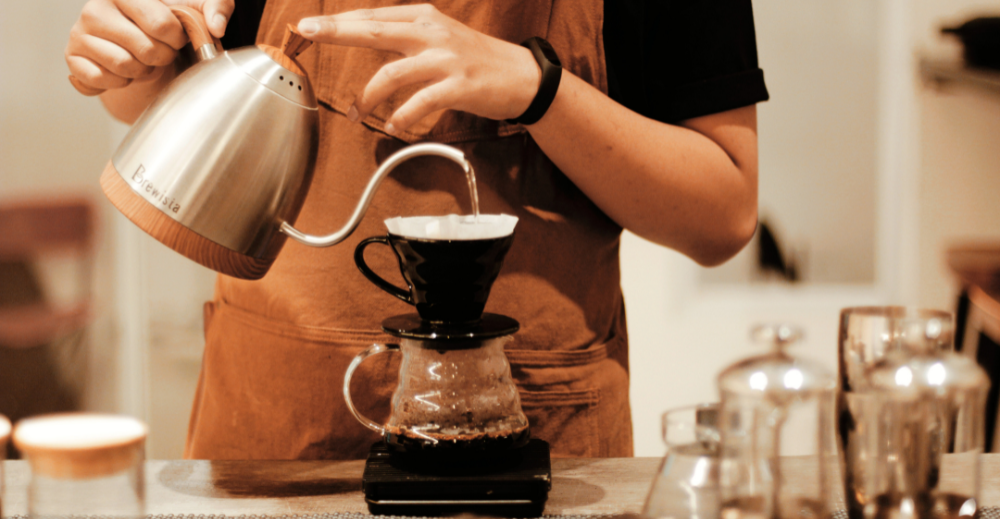
The SCA's 195–205°F range applies broadly, but each method has a tighter practical window based on contact time and brew physics:
| Method | Brew temp (°F) | Brew temp (°C) | Why |
|---|---|---|---|
| Drip (auto or pour-over) | 195–205°F | 90–96°C | Short contact time needs full heat for complete extraction |
| French press | 195–205°F | 90–96°C | Steep time is 3–4 minutes; starting hotter compensates for heat loss in the carafe |
| Espresso (at group head) | 195–204°F | 90–96°C | 9-bar pressure extracts faster; cooler floor than drip because contact time is under 30 seconds |
| Cold brew | Room temp or fridge (35–70°F) | 2–21°C | 12–24 hours of contact replaces heat; produces lower acidity by design |
| AeroPress | 175–205°F | 80–96°C | Wider range because pressure and steep time compensate; lower temps (175–185°F) work well for light roasts in this brewer |
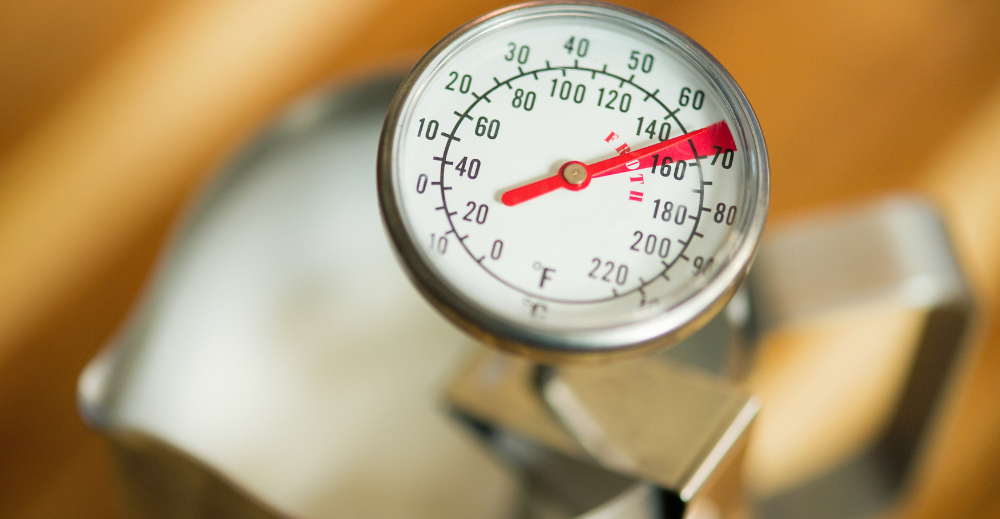
One thing worth knowing: the temperature your kettle hits is not the temperature at the grounds. A gooseneck kettle at 205°F loses roughly 5°F in the first 30 seconds of a pour-over. For drip machines, look for SCAA-certified models that maintain the brew basket at 197–205°F — most entry-level drip machines don't get there.
What shifts your ideal brewing temperature?
Three variables move the target significantly enough that you should account for them when dialing in.
Roast level. Light roasts are denser than dark roasts — they haven't lost as much cellular structure during roasting. That density resists extraction, so you need more heat to pull out the same compounds. A washed Ethiopian light roast that tastes flat at 195°F often comes alive at 202–205°F. Dark roasts, by contrast, are more porous and extract faster; brewing them at 205°F frequently tips into ashy, harsh bitterness. Pull them at 195–200°F. This is one of those things that isn't obvious from the spec sheet on your bean selection.
Grind size. A finer grind exposes more surface area, which accelerates extraction. If you're already running a fine espresso-range grind and your water is at 205°F, you're going to over-extract. Fine grinds respond better to the lower end of the temperature range; coarse grinds (French press, cold brew) tolerate or require higher starting temps.
Water mineral content. Hard water (high in calcium and magnesium bicarbonate) buffers acid and can suppress extraction, making coffee taste flat even at the right temperature. Soft water over-extracts easily. The SCA recommends 150 mg/L TDS (acceptable range: 75–250 mg/L) with alkalinity around 40 ppm CaCO3 for optimal brewing. If you're on heavily mineralized municipal water and can't understand why your coffee tastes muted, the water is a more likely culprit than your technique.
How does serving temperature affect how coffee tastes?
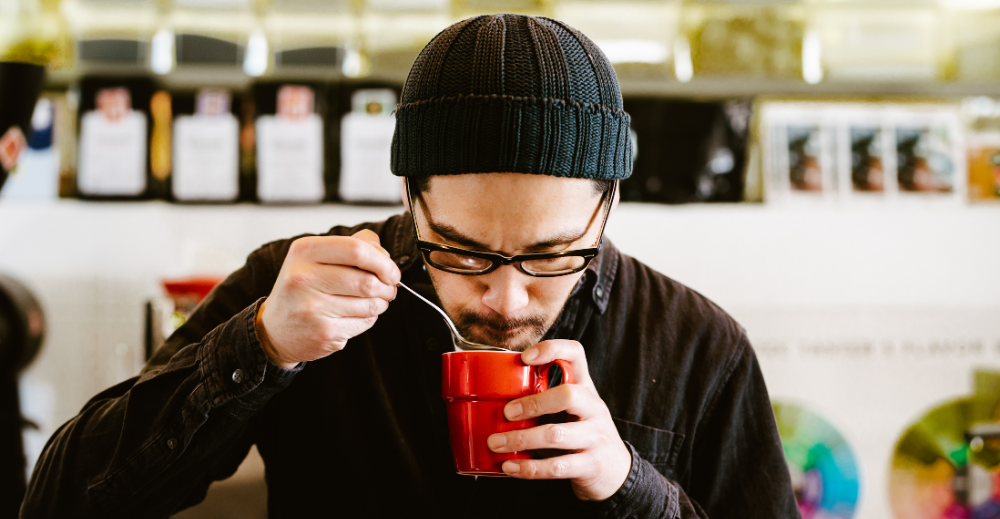
Brewing temperature and drinking temperature are different problems. Brewed coffee at 200°F goes into a preheated mug and drops to around 160–170°F almost immediately. That's still too hot for most people to taste clearly — your palate detects pain before flavor above around 160°F. The sweet spot for drinking is 130–160°F (54–71°C).
Here's what actually happens as coffee cools: volatile aromatic compounds that were overpowered by heat become more perceptible. A single-origin Ethiopian that seemed flat at 170°F will show its berry and floral notes at 140°F. This is why professional cuppers taste at around 150°F, not piping hot. It's also why a cup that tasted bitter when fresh often tastes better 10 minutes later — you're not imagining it.
The flip side: below 100°F, acidity becomes sharper and most cups taste thin. This is different from cold brew, which is designed to brew at low temperature and has a chemically different flavor profile because of it.
The FDA and food safety guidance recommends serving hot beverages above 140°F (60°C) to minimize bacterial growth risk when holding for extended periods. If you're keeping a carafe warm for more than 30 minutes, that's the floor to stay above.
How do you keep coffee at the right temperature after brewing?
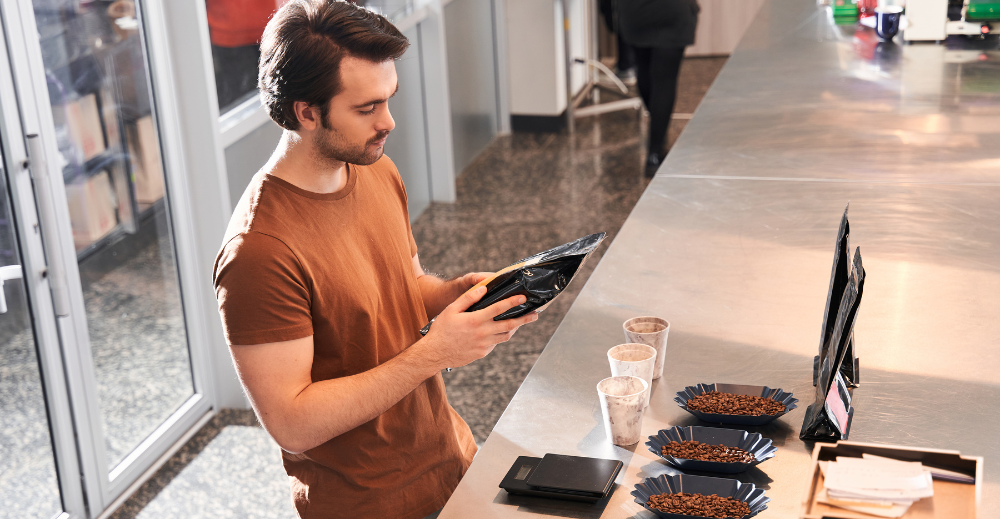
The biggest mistake is leaving brewed coffee on a heating plate. A hot plate holds coffee at 175–185°F, which sounds fine, but it also keeps driving off volatile aromatics and accelerating staling reactions. Coffee held on a plate for 20 minutes tastes noticeably worse than coffee in a sealed thermal carafe.
For brew temperature control, a variable-temperature gooseneck kettle is the right tool. Models like the Fellow Stagg EKG or Bonavita 1L variable let you dial exact temperatures rather than guessing. A good kitchen thermometer works if you don't want to invest in a variable kettle yet, but it adds a step.
For holding: a preheated stainless thermal carafe maintains temperature for 2+ hours with minimal staling. Preheat it with boiling water for 60 seconds before filling. Double-wall vacuum-insulated mugs (YETI, Zojirushi) do the same thing for single servings.
At CoffeeRoast Co., we'd generally say: brew what you'll drink in 20 minutes. Batch brewing only as much as you'll consume keeps the flavor where it belongs.
Frequently asked questions
What temperature is too hot for coffee?
Above 205°F (96°C) at the brew basket, you risk over-extraction — pulling harsh, bitter compounds that should stay in the grounds. For drinking, anything above 160°F (71°C) is hot enough to mask flavor and burn sensitive palates. The International Agency for Research on Cancer classifies beverages consumed above 65°C (149°F) as "probably carcinogenic" based on thermal injury risk, which is why most specialty coffee shops now aim to serve lattes and Americanos closer to 145–155°F rather than the old café standard of 175°F.
Does coffee temperature affect caffeine content?
Caffeine is highly water-soluble across a wide temperature range and is fully extracted well before you hit 195°F. Temperature affects flavor compounds far more than it affects caffeine. Cold brew, despite brewing at near room temperature, extracts caffeine efficiently over its long steep time. Your brew temperature choices are about taste, not caffeine yield.
Why does my drip machine make weak coffee even at the right grind?
Most consumer drip machines don't actually reach 195–205°F at the brew basket — independent testing by the SCAA (now SCA) has shown many entry-level machines brew at 180–190°F, which under-extracts regardless of grind or coffee dose. Look for the SCA Home Brewer Certification mark, which requires machines to demonstrate 197–205°F at the grounds. The Technivorm Moccamaster and Breville Precision Brewer are the most commonly cited certified options in the mid-range.
What is the ideal water temperature for a French press?
195–205°F (90–96°C) to start. Because a French press is an open vessel, it loses heat fast — a 205°F pour drops to roughly 195°F by the end of a 4-minute steep in a room-temperature glass carafe. Preheating the carafe with hot water for 30 seconds before brewing recovers 5–8°F and makes a measurable difference in the cup. The steep time (4 minutes standard) does the rest of the work at that temperature.
Can water temperature fix an over-roasted bean?
Partially. Brewing a dark roast at the lower end of the range (195–200°F instead of 205°F) reduces the rate at which bitter, ashy compounds extract. It won't transform a poor-quality dark roast into a great cup, but it will make it less punishing. If you're consistently getting harsh, papery results from dark roasts at full temperature, try dropping the kettle to 197°F and see if the cup softens.
Is cold brew healthier or less acidic than hot coffee?
Cold brew is consistently lower in measured titratable acidity than hot-brewed coffee from the same beans. A 2010 study published in the Journal of Agricultural and Food Chemistry confirmed cold-brew concentrates have notably lower chlorogenic acid content than hot-brew equivalents. Whether that translates to meaningful digestive benefit depends on the individual, but if hot coffee causes you reflux problems, cold brew is worth trying before you switch beans or methods.
What temperature should espresso be served at?
Espresso extracts at 195–204°F (90–96°C) at the group head but arrives in the demitasse around 160–170°F due to heat loss in the portafilter and cup. Preheating the cup with hot water for 30 seconds recovers 10–15°F at the pour point. Most specialty cafés pull espresso to land in the cup at 150–165°F. A shot that arrives below 140°F often tastes thin and sour because the serving temperature is suppressing body and sweetness perception.
Does the type of coffee mug affect temperature?
Yes, more than most people expect. A thin ceramic mug absorbs around 10–15°F from your coffee on first pour if it's at room temperature. A double-wall glass (like the Bodum Pavina style) loses almost none. Preheat any mug with hot tap water before pouring — 30 seconds is enough. For traveling, a vacuum-insulated stainless mug (Zojirushi or YETI Rambler) holds coffee within 5–10°F of pour temperature for 2+ hours, which no single-wall option can match.
Key takeaways:
- Brew between 195–205°F (90–96°C) for most methods; this is the SCA's published optimal range and the threshold used in certified home brewer testing.
- Light roasts extract better at the high end of that range (200–205°F); dark roasts do better at the low end (195–200°F) to avoid bitterness.
- Drinking temperature sweet spot is 130–160°F — below the pain threshold, above the point where acidity sharpens unpleasantly.
- Hot plates degrade coffee fast; use a preheated thermal carafe or insulated mug to hold quality.
- If your drip machine makes weak coffee at the right grind, temperature is likely the culprit — check for SCA Home Brewer Certification.
Article reviewed by the CoffeeRoast Co. Editorial Team. Primary references are the SCA Standard 310-2021 Golden Cup guidelines, SCA Water for Brewing handbook (2018), and manufacturer specifications cited inline.


Leave a comment