



Quick answer: Five espresso drinks you can reliably make at home are the Americano (18 g espresso + 120 ml hot water), flat white (18 g espresso + 120 ml microfoam at 140°F), macchiato (18 g espresso + 1 tbsp frothed milk), con panna (18 g espresso + whipped cream), and cappuccino (equal thirds espresso, steamed milk, and foam). A burr grinder and a machine with a steam wand cover all five.
Most espresso recipes fail at home for one reason: the grinder. Not the machine, not the beans, not the technique. A blade grinder producing uneven particle sizes is why your shot pulls sour in 15 seconds no matter what the recipe says. Nail a consistent grind first, and these five drinks become straightforward.
What equipment do you actually need?
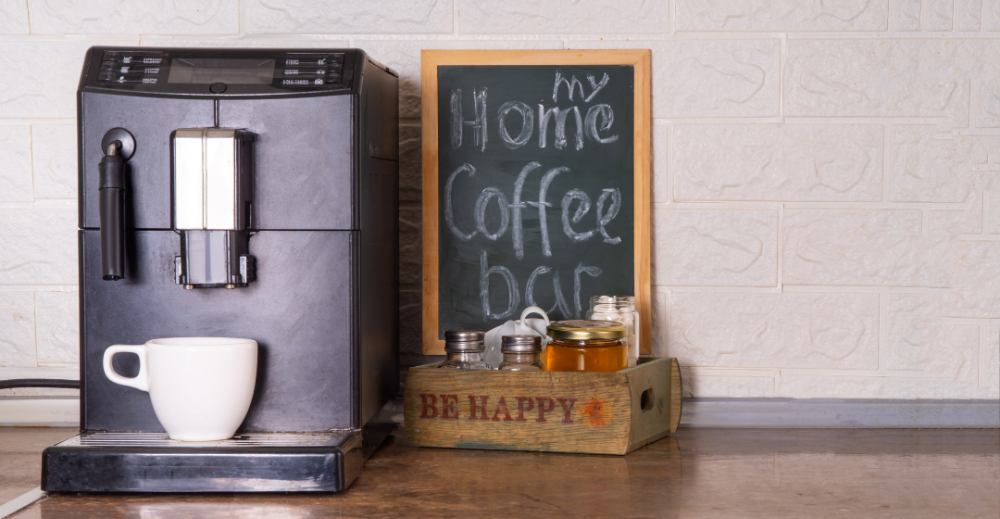
Three things matter most: a burr grinder, an espresso machine with at least 9 bars of pressure, and fresh beans roasted within the last two to three weeks. The grinder matters more than the machine. A decent 64 mm flat-burr grinder on a mid-range machine will consistently out-pull an expensive machine paired with a blade grinder. If you're choosing between upgrading one or the other, upgrade the grinder.
For milk drinks (flat white, cappuccino, macchiato), you'll need a steam wand. Pod machines skip the wand, which means you're limited to Americano and con panna. Worth knowing before you buy.
Milk choice matters more than most recipes admit. Whole cow's milk steams to the tightest microfoam because of its fat-to-protein ratio. Oat milk — specifically "barista edition" varieties with added oil and emulsifiers — is the best non-dairy option for steaming, producing foam that holds its structure for about 90 seconds before separating. Standard oat milk collapses faster. Check the CoffeeRoast Co. guide to brewing methods for more on how water temperature and extraction time affect each drink.
How do you make a classic Americano at home?

The Americano is two ingredients: espresso and hot water. The WWII-era story about American GIs diluting Italian espresso is probably apocryphal, but the drink is real and it's one of the simplest to get right at home.
The ratio that works: 18 g of ground coffee in, ~36 g of liquid espresso out (a standard 1:2 ratio), pulled in 27 to 32 seconds. Add 90 to 120 ml of water at about 80°C (176°F), not boiling. Boiling water scorches espresso and flattens the flavor. Pour the water first, then the espresso over the top — this preserves the crema on the surface instead of destroying it with the water stream.
- Pull a double shot: 18 g in, 36 g out, 27 to 32 seconds.
- Heat water to 80°C (176°F). Not boiling.
- Add 90 to 120 ml of hot water to your mug first.
- Pour the espresso over the water. Crema floats to the top.
Adjust the water volume to taste. A 1:4 ratio (36 g espresso to 150 ml water) is closer to a long black. Less water keeps the intensity up.
How does a flat white differ from a latte, and how do you make one?
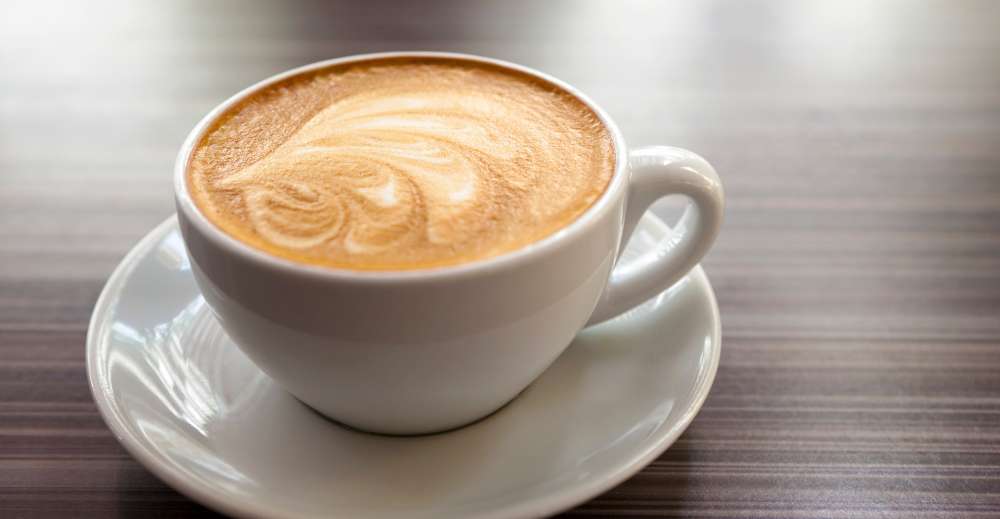
The flat white originated in Australia and New Zealand in the 1980s, though which country invented it first is still contested. The practical difference from a latte: the flat white uses a ristretto base (a shorter, more concentrated pull) and about 120 ml of milk versus the latte's 180 to 240 ml. You get a stronger coffee-to-milk ratio and a thinner foam layer — typically 3 to 5 mm compared to a latte's 10 to 15 mm cap.
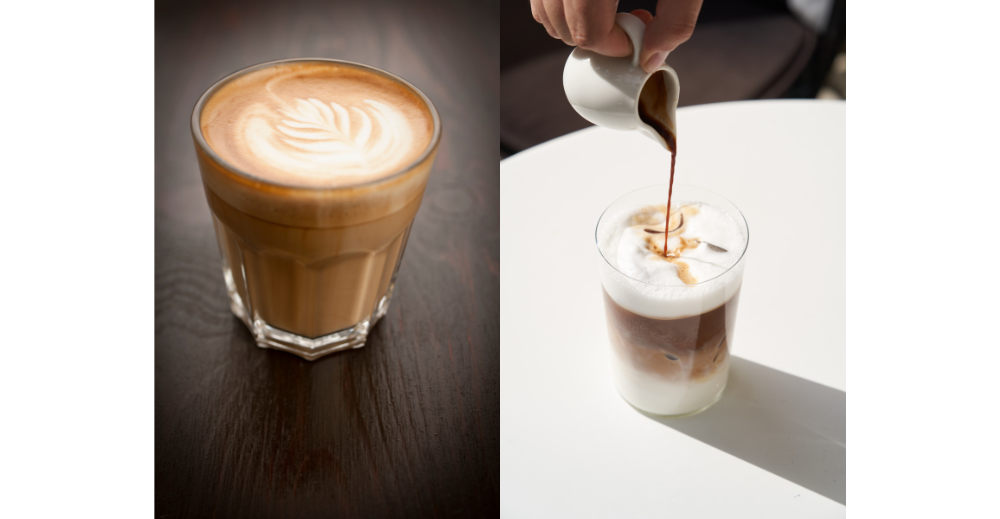
The foam texture is the thing most home recipes get wrong. You want microfoam, not froth. Froth has visible bubbles and a wet-shaving-cream texture. Microfoam looks like wet paint and feels silky when you run a spoon through it.
- Pull a double ristretto: 18 g in, 27 g out, 20 to 25 seconds.
- Steam 120 ml of whole milk to 60 to 65°C (140 to 150°F). Keep the wand tip just below the surface, angled to create a circular vortex. You want to hear a hissing sound, not a gurgling one. Gurgling means the wand is too deep and you're adding large bubbles.
- Tap the milk jug on the counter and swirl it once to integrate any remaining bubbles.
- Pour from about 10 cm above the cup to start the blend, then bring the jug close and tilt to guide the microfoam over the espresso.
If the surface looks glossy and you can draw a rough heart shape in the foam, you've got it. If it's bubbly and white, the milk went too long or too hot.
Espresso Macchiato and Con Panna: the two easiest milk drinks
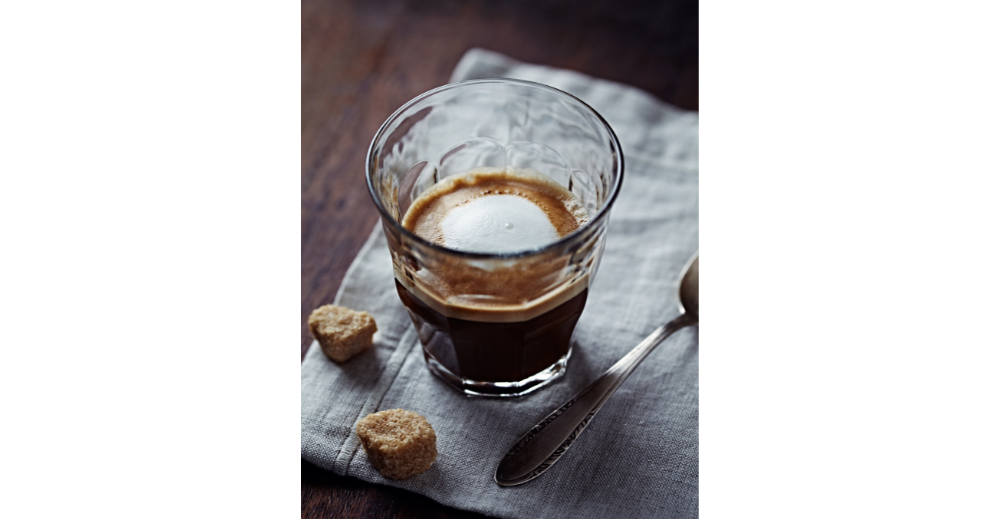
The macchiato ("stained" in Italian) is an espresso marked with a small amount of frothed milk. Not a Starbucks caramel macchiato, which is effectively an upside-down vanilla latte. The traditional version is a single or double shot with one tablespoon of frothed milk on top. That's it.
It's a good drink to make when you want the full intensity of espresso but with just enough milk to round off the sharpest edges. Pull the shot, froth a small amount of milk in your steam pitcher or with a handheld frother, and spoon one tablespoon over the top. The espresso should be visible through the foam.
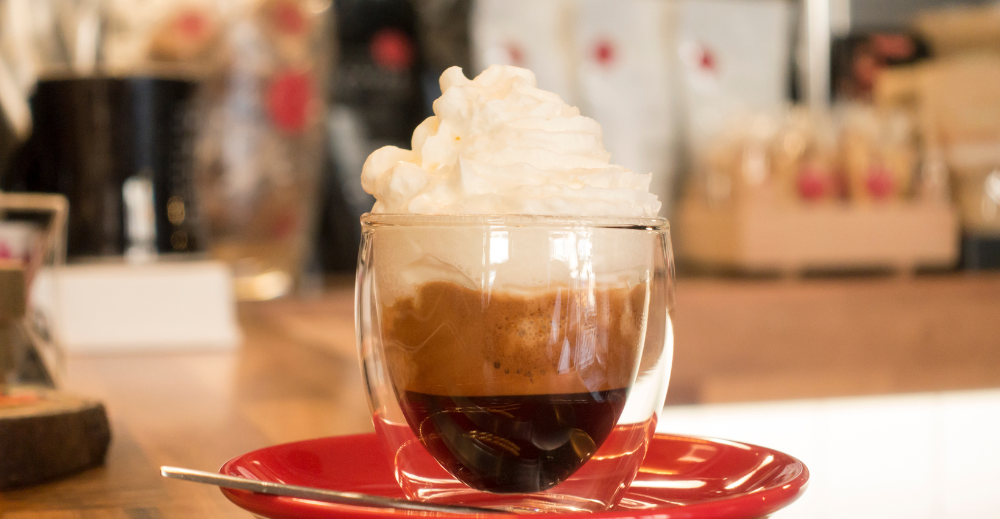
The con panna swaps frothed milk for whipped cream. "Con panna" means "with cream" in Italian, and the traditional version is a single or double shot with a small dollop of heavy whipped cream on top. No sugar in the espresso itself. The cream melts slowly into the coffee as you drink, changing the texture with each sip.
For homemade whipped cream: 60 ml of heavy cream, whisked or shaken until it just holds soft peaks. Don't sweeten it. The contrast between the bitter espresso and the unsweetened cream is the point. If you want sweetness, add a drop of vanilla extract to the cream before whipping.
How do you make a proper cappuccino at home?
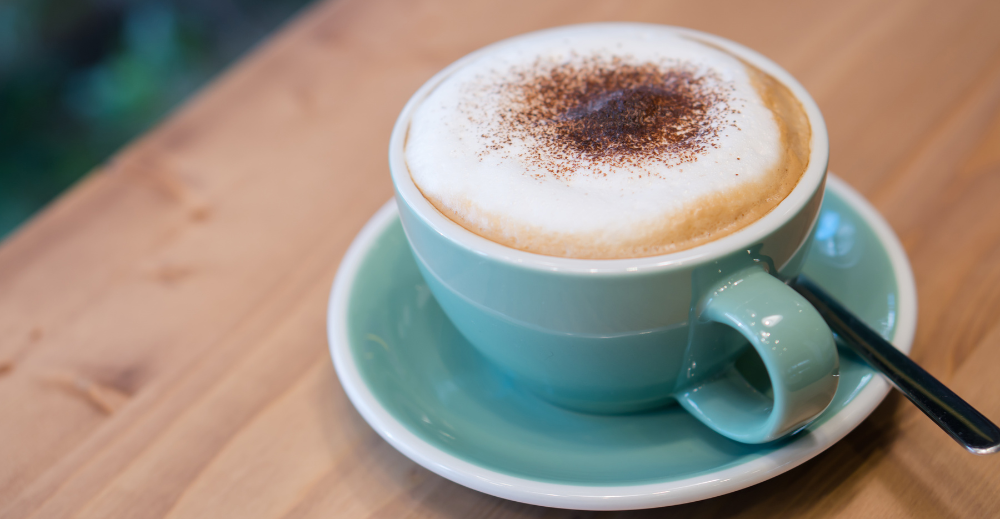
The traditional cappuccino is equal thirds: one-third espresso, one-third steamed milk, one-third foam. In volume terms for a 180 ml cup: 60 ml espresso, 60 ml steamed milk, 60 ml foam. The name comes from the Capuchin friars, whose brown robes match the color of the drink. None of that matters to the taste, but it's a good pub quiz answer.
The cappuccino is harder to nail than the flat white because the foam layer needs structure. Too dry and it sits on top like a marshmallow. Too wet and it blends into the milk layer and you've made a small latte.
- Pull a double shot: 18 g in, 36 g out, 27 to 32 seconds.
- Steam 120 ml of whole milk to 60 to 65°C (140 to 150°F). For cappuccino foam, introduce more air than you would for a flat white. Keep the wand tip right at the surface for the first 5 to 7 seconds to draw in air before plunging slightly deeper to spin and heat.
- Tap and swirl the jug. You want the milk to look like wet foam — not shaving cream, but with more body than microfoam.
- Pour the steamed milk first, holding back the foam with a spoon, then spoon the foam over the top to form the third layer.
- Optional: dust with cocoa powder or cinnamon through a small sieve for even coverage.
If you're getting iced drinks in summer, the same ratios work cold. Pull the shot over ice, add cold-frothed milk (a French press shaken with cold milk makes a serviceable cold foam), and you've got an iced cappuccino.

Browse the full range of home coffee roasters and brewing guides at CoffeeRoast Co. to find the gear and technique resources that match where you are in the process.
Frequently asked questions
What is the difference between a flat white and a latte?
A flat white uses a ristretto base (shorter, more concentrated pull) with about 120 ml of milk and a thin 3 to 5 mm microfoam layer. A latte uses a standard double shot with 180 to 240 ml of milk and a thicker 10 to 15 mm foam cap. The flat white tastes more coffee-forward; the latte is milder and creamier.
Can you make espresso drinks without a steam wand?
For Americano and con panna, yes. For drinks that require textured milk — flat white, cappuccino, macchiato — a steam wand is the right tool. A handheld electric frother or a French press shaken with warm milk can produce foam, but the texture is coarser and separates faster. It works in a pinch for the macchiato, which only needs a tablespoon of froth.
What milk works best for steaming?
Whole cow's milk produces the tightest, most stable microfoam because of its fat and protein content. Among non-dairy options, barista-edition oat milk (which contains added oil and emulsifiers) is the most reliable for steaming and holds its structure for about 90 seconds. Regular oat milk and almond milk produce coarser foam that separates quickly.
How long does espresso stay fresh after pulling?
A pulled shot starts oxidizing immediately. Flavor degrades noticeably after about 10 seconds, which is why milk drinks are made by pouring milk into the shot within that window. If you need to delay assembly (making multiple drinks), pull the shot last, not first.
What does "ristretto" mean and when should you use it?
A ristretto is a shorter espresso pull: typically 18 g in, 27 g out (a 1:1.5 ratio), finished in 20 to 25 seconds instead of the standard 27 to 32. It's more concentrated, sweeter, and lower in caffeine per volume. Use it for flat whites and milk-heavy drinks where you want the espresso flavor to cut through the milk without bitterness.
How do you stop a cappuccino foam from being too stiff or too runny?
Stiff foam usually means the steam wand was at the surface too long and you introduced too much air before heating. Runny foam means you plunged the wand too deep too fast and didn't introduce enough air. Aim for 5 to 7 seconds of surface-level air introduction at the start, then submerge slightly to spin and heat. The milk should look like wet foam with body — not shaving cream and not microfoam.
Is oat milk or almond milk better for espresso drinks at home?
For steamed drinks, oat milk (barista edition) is better. It emulsifies more consistently and produces foam with enough structure to use in a flat white or cappuccino. Almond milk is thinner, lower in protein, and tends to separate quickly when steamed. For cold drinks where you're not steaming, almond milk performs about equally to oat milk.
Key takeaways:
- The grinder matters more than the machine. A burr grinder producing consistent particle size is why shots pull correctly.
- Americano ratio: 18 g espresso, 36 g out, add 90 to 120 ml of 80°C water. Pour water first, espresso second to preserve crema.
- Flat white and cappuccino both need steamed milk, but the foam texture differs: microfoam for flat white, structured wet foam for cappuccino.
- Macchiato and con panna are the easiest milk drinks: one tablespoon of froth or a small dollop of unsweetened whipped cream over a double shot.
- Barista-edition oat milk is the best non-dairy option for steaming; standard oat and almond milk produce coarser foam that separates faster.


Leave a comment