



Quick answer: Burnt coffee beans are over-roasted past the second-crack threshold and can't be brewed into anything worth drinking. The 7 most useful repurposing options are garden fertilizer, compost additive, pest deterrent, skin scrub, kitchen abrasive, odor absorber, and craft material. Grind them fine first. Cap garden applications at 20% of total soil amendment volume to avoid caffeine-driven growth suppression.
You pulled a roast and something went wrong. The beans came out near-black, the surface looks ashy instead of glossy, and the cup tastes like charcoal. It happens to anyone who roasts long enough. The good news is that throwing those beans in the trash is the wrong call — an over-roasted batch still carries nitrogen, caffeine, and a coarse gritty texture that makes it genuinely useful outside of your mug.
Burnt vs. dark roast: what is the actual difference?
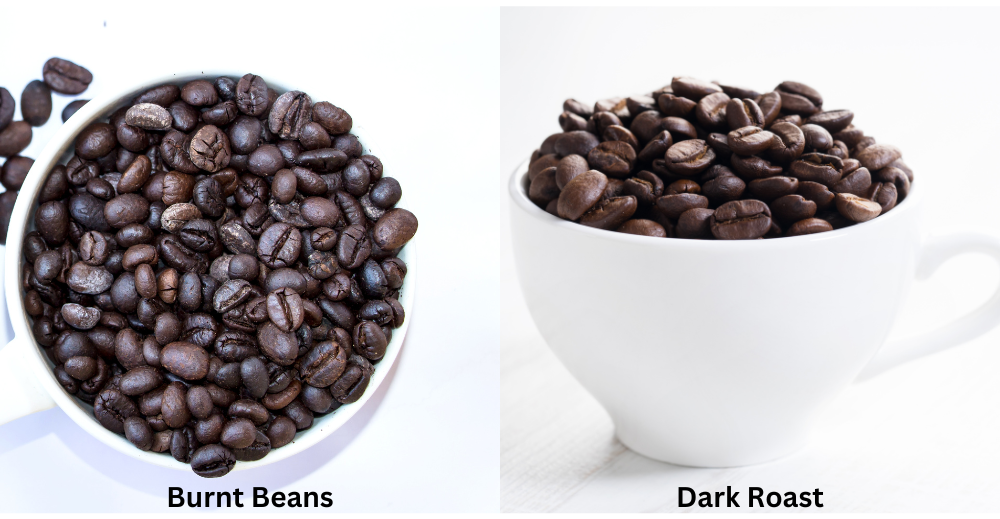
Dark roast is a deliberate craft decision. Full City, Vienna, and French roast each occupy a specific band on the Agtron color scale — roughly 35 to 45 — where bean sugars have caramelized and oils have migrated to the surface. The result has a controlled bittersweet character that someone chose on purpose.
Burnt is what happens when the roast keeps going past that window. Past second crack, you're not caramelizing anymore. The sugars are pyrolyzing, breaking down into acrid compounds that no brewing technique can fix. On the Agtron scale, anything below about 25 is genuinely burnt territory. The cup doesn't have the rounded quality of a French roast — it's flat and harsh with nothing in the finish.
The practical difference: a Vienna or French roast from CoffeeRoast Co. is a choice. Burnt is an accident, usually from losing track of bean color or running the roaster too hot without watching the clock.
7 ways to repurpose burnt coffee beans
None of these require the beans to taste good. That's the whole point.
1. Garden and plant fertilizer
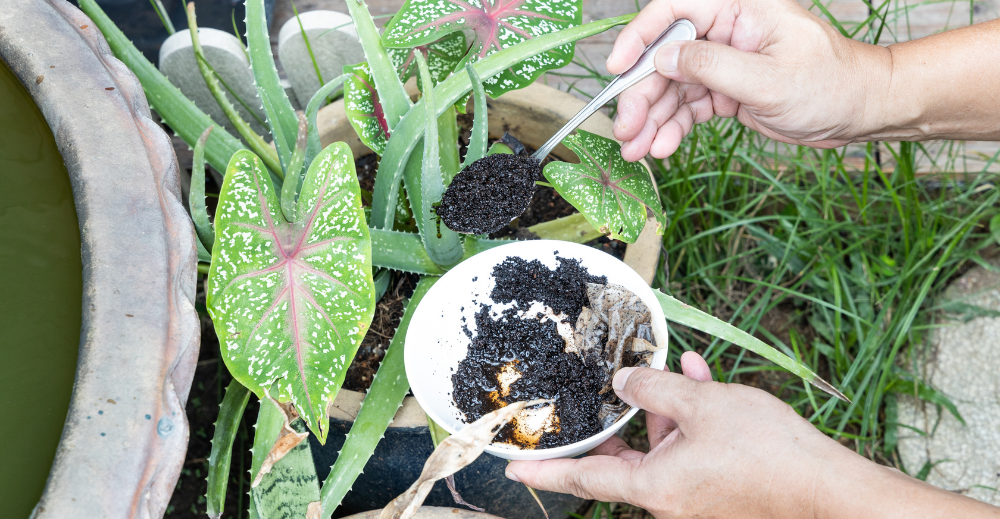
Coffee grounds carry roughly 2% nitrogen by dry weight, plus measurable potassium and phosphorus. That's a real slow-release fertilizer profile. Acid-loving plants like roses, azaleas, and blueberries respond particularly well because grounds help nudge soil pH lower over time.
Grind the beans fine before applying them. Whole beans or coarse chunks just sit on the surface and grow mold before they break down. Work about a tablespoon of fine grounds per square foot into the top inch of soil every 4 to 6 weeks. If you run a vermicomposting bin, a light weekly dusting keeps the worm bedding active.
Don't go overboard, though. Washington State University Extension research found that heavy coffee-ground applications at 30% or more of compost volume can suppress plant growth, likely from caffeine toxicity at higher concentrations. Use it as an amendment, not a growing medium.
2. Compost additive
Despite the brown color, coffee grounds are a "green" material in composting terms. They're nitrogen-rich, which means they balance well against carbon-heavy brown materials like dry leaves and wood chips. Keep grounds at 20% or less of total compost volume. Above that, they compact, restrict airflow, and slow the whole decomposition process.
Let the grounds cool and dry before adding them to an outdoor pile. Hot, fresh grounds introduced to a cold-weather bin can create fungal hotspots from the steam. In an indoor worm bin, grounds at 10 to 15% of total food volume are actually preferred — the gritty texture helps worm digestion directly.
3. Pest deterrent
Caffeine is genuinely toxic to many invertebrates at relevant concentrations. A 2012 study in HortScience confirmed that slugs and snails reliably avoided coffee-ground barriers, though the effect fades as grounds dry out and caffeine volatilizes. Ants show strong avoidance behavior around fresh grounds too, likely from the caffeine and the diterpene compounds that survive even heavy roasting.
Scatter a continuous band of grounds around raised beds, pots, or any entry point you want to protect. Reapply after rain or every 2 to 3 weeks as the caffeine concentration drops. It won't stop every pest, but it's a legitimate first-line defense that costs nothing extra when you've already got a burnt batch on hand.
4. DIY skin scrub
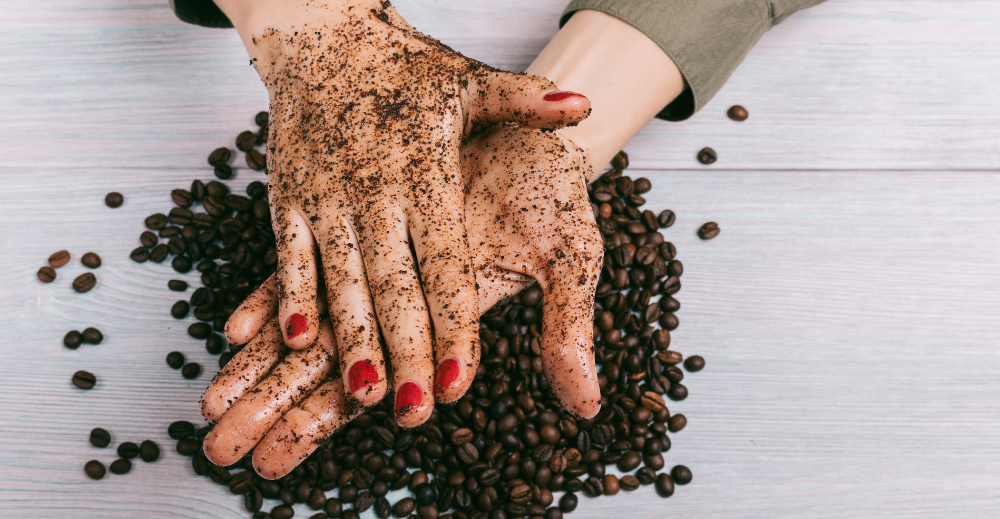
The gritty texture of ground coffee is a legitimate physical exfoliant. Even heavily roasted beans retain some antioxidant content — primarily chlorogenic acid — which has mild anti-inflammatory properties on the skin surface. A basic scrub takes two minutes: combine 2 tablespoons of finely ground burnt coffee with 1 tablespoon of coconut or olive oil, apply in a gentle circular motion, and rinse with warm water. Add a tablespoon of sugar if you want more mechanical action.
The cellulite claims you'll see attached to coffee scrubs are largely unsupported in controlled studies. There's a real but short-lived skin-plumping effect from improved circulation after scrubbing, but it fades fast. What coffee scrubs actually do well is remove dead skin cells and leave skin noticeably smoother. Patch test on your forearm first if you have sensitive skin.
5. Kitchen abrasive and cleaner
The same coarseness that works on skin works on cast iron, stainless steel pans, and grill grates. Coffee grounds are aggressive enough to lift burnt-on residue from uncoated surfaces without scratching them. Sprinkle a tablespoon directly onto a wet surface, scrub with a sponge, and rinse thoroughly.
Don't flush large volumes of grounds down the drain regularly. Small amounts that rinse off equipment are fine, but grounds don't dissolve — over time they bind with grease already coating pipe walls. Toss larger volumes in compost or the garden instead.
6. Odor absorber
Dried coffee grounds adsorb volatile organic compounds reasonably well. A small open bowl in the refrigerator will neutralize mild everyday odors within a day or two. A pouch in gym shoes works on the same principle. Replace the grounds every 2 to 3 weeks as the adsorption capacity fills up.
Temper your expectations here. Coffee grounds aren't as effective as activated charcoal, which has a surface area roughly 1,000 times larger per gram. For serious odors from spoiled food, activated charcoal is the right call. Coffee grounds handle lighter everyday smells well, and they cost nothing extra when you've already got a burnt batch sitting around.
7. Craft and candle projects
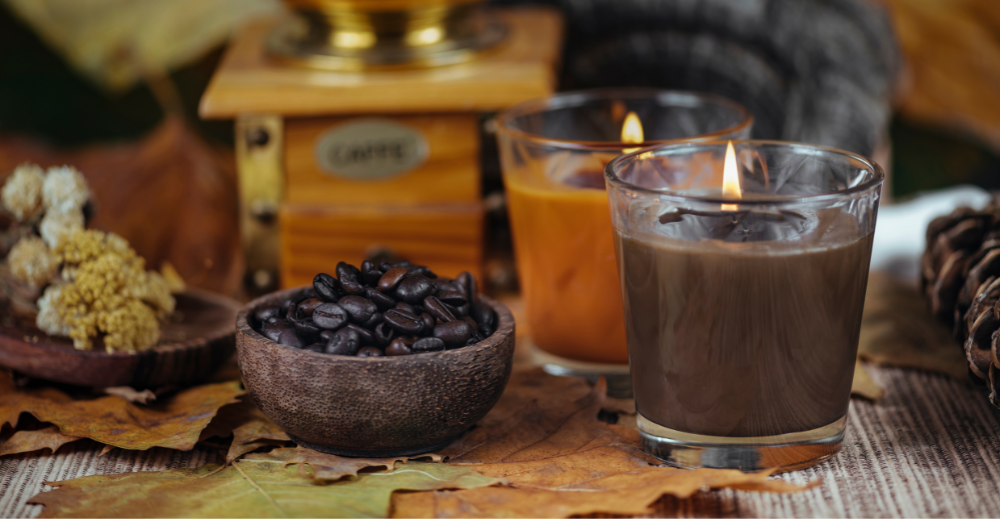
Embedding coffee grounds in soy or paraffin wax produces a mild coffee fragrance as the candle heats. Use about 1 to 2 tablespoons of dry grounds per 8 oz of wax. The grounds settle into the wax and add visible texture that looks intentional. You can also press grounds into air-dry clay for coasters or small decorative tiles — the brown color holds up well after sealing.
A small set from one over-roasted batch — a scrub, a candle, and a labeled bag of garden grounds — takes under an hour and costs almost nothing in additional materials. Not a bad outcome for beans you almost threw away.
How do you identify burnt coffee beans?
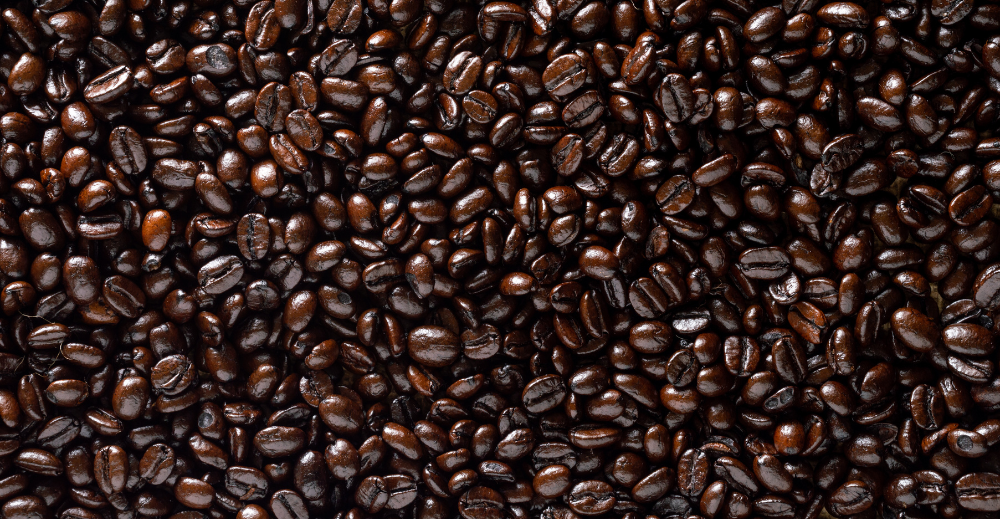
Three signals tell you reliably, each pointing to something different.
Color first. Beans that have gone past second crack will be near-black with a matte or dull surface. Compare that to a French roast, which looks dark brown with a wet glossy sheen from oils that migrated outward during roasting. On the Agtron scale, below about 25 is burnt territory.
Surface texture second. That glossy wet look on a French roast bean comes from oils the heat pushed to the surface. A truly burnt bean often looks dry and powdery instead, because those oils vaporized or carbonized rather than coating the bean. It's a subtle but reliable tell once you know what to look for.

Taste third, and this one's definitive. A dark roast has bittersweet complexity, even if it's bold. A burnt bean gives you flat, sharp bitterness and an ashy or acrid finish with no sweetness anywhere in the sip. If you get through the whole cup and can't find a single pleasant note in the aftertaste, those beans were over-roasted.
What causes over-roasting, and how do you prevent it?

Three variables drive most over-roasting at home: temperature too high, roast time extended past the second-crack window, and slow drum airflow that traps heat inside the roasting chamber. Drum machines without real-time temperature display are particularly prone to all three problems at once.
The best prevention starts with what's covered in CoffeeRoast Co.'s bean selection guide: match bean density and processing method to your roaster's heat profile, and listen for second crack. Second crack is quieter and faster than first crack — a quick series of light snaps rather than the louder, spaced-out pops of first crack. Once you hear those first few snaps, you've got roughly 30 to 60 seconds before you cross from intentional dark roast into over-roasted. Drop the beans into the cooling tray then, not when the color looks right to your eye.
Equipment maintenance matters more than most home roasters expect. A probe coated with residue gives inaccurate temperature readings, which means you're making decisions without reliable data. Clean the probe, calibrate your thermometer, and keep the chaff collector clear so airflow stays consistent. Predictable airflow is what keeps heat from accumulating past where you want it.
How do you brew strong coffee without the burnt flavor?

When people say they want strong coffee, they usually mean one of two things: high caffeine or bold full-body flavor. Neither requires burning the beans. A Full City+ or light French roast at Agtron 40 to 45 gives you the smoky, bold character that reads as "strong" without crossing into charred territory. That's the sweet spot.
Brewing method matters more than most people expect. Cold brew extracts over 12 to 24 hours at room temperature and produces a concentrate that's high in both caffeine and body but noticeably lower in bitterness than a hot-brewed dark roast. If your hot brew consistently tastes harsh even with well-roasted beans, try dropping your water temperature to 195 degrees F (90.5 degrees C) and shortening contact time. Over-extraction from water that's too hot produces the same flat bitterness as burnt beans, even when the beans themselves are perfectly roasted.
Origin is another lever worth pulling. Sumatran lots and Ethiopian natural-process varieties — particularly Ethiopian Harars — have inherently deep, earthy, bold flavor profiles at medium roast levels. They taste "strong" without needing to be pushed anywhere near dark roast.

Grind size has a direct effect on perceived bitterness even from good beans. Using the right grind for your brewing method prevents over-extraction before it starts: fine for espresso, medium-coarse for pour-over, and coarse for French press. Brew times matter equally — French press needs a 4-minute steep, pour-over targets 2.5 to 3 minutes total, and espresso runs 25 to 30 seconds. Get those parameters right and you won't need to push your roast darker to get the intensity you're after.
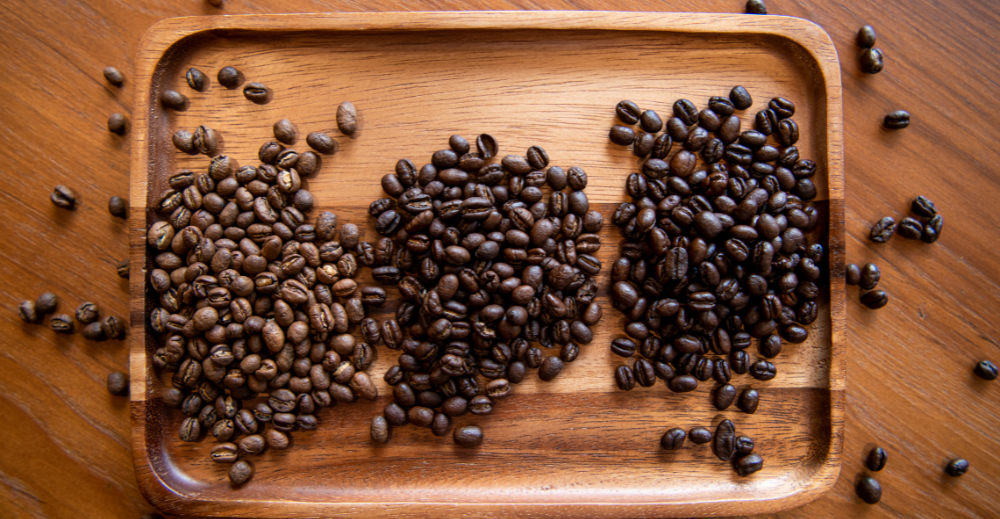
If you want to go deeper on getting more from your home roasts, the CoffeeRoast Co. brewing methods guide covers all the major variables. And the bean collection carries Sumatran and Ethiopian lots if you want to experiment with naturally bold origins at medium roast.
Frequently asked questions
Can you use burnt coffee beans in an espresso machine?
Technically yes, but you won't want to drink the result. Espresso concentrates and amplifies every flaw in the bean, so what tastes marginally harsh as drip brew becomes genuinely unpleasant as a concentrated shot. You'll get no crema and flat acrid bitterness. Put those beans toward one of the 7 repurposing uses above instead.
Are burnt coffee grounds acidic or alkaline?
Fresh coffee grounds sit at a pH of roughly 6.0 to 6.5, which is mildly acidic. Heavily burnt grounds shift slightly toward neutral as organic acids break down during the extended roast. Both are useful in the garden for acid-loving plants, though neither will dramatically alter the pH of well-buffered garden soil on its own. The effect builds gradually over multiple applications.
How much coffee grounds should I add to my compost pile?
Keep grounds at or below 20% of total compost volume. Above that, they compact and cut off the oxygen flow that aerobic decomposition depends on. For every tablespoon of grounds you add, mix in at least 4 tablespoons of dry carbon material — leaves, shredded cardboard, or wood chips work well — to keep the pile balanced.
Will coffee grounds in the garden attract animals?
Deer and rabbits generally avoid coffee grounds because of the scent, which is actually useful. Cats show some avoidance too. Dogs are the exception and may be attracted to grounds — caffeine is toxic to dogs at doses that begin causing symptoms around 14 to 23 mg per kilogram of body weight. If dogs have access to your garden, work the grounds into the top inch of soil rather than leaving them loose on the surface.
Can coffee grounds go down the drain?
Small amounts that rinse off equipment aren't a problem. Regularly pouring full batches directly down a drain is. Grounds don't dissolve, and over time they bind with grease residue already coating pipe walls and contribute to clogs. For anything more than rinse-off remnants, compost or garden disposal is the better route.
How long do coffee grounds stay effective as a pest deterrent?
Under dry conditions, expect effective deterrence for 1 to 2 weeks before the caffeine concentration drops enough to lose its effect. After rain or irrigation, reapply sooner. Fresh grounds from a recently over-roasted batch will be more potent than grounds that have been sitting for months — the volatile compounds are still active.
Do coffee grounds work as a refrigerator deodorizer?
Yes, though modestly. Dried grounds adsorb light volatile odors reasonably well, similar to baking soda. Activated charcoal outperforms them significantly because of its far greater surface area per gram. For mild everyday refrigerator smells, a small open bowl of grounds refreshed every 2 to 3 weeks works fine. For strong odors from spoiled food, remove the source first and use activated charcoal.
What is the difference between over-roasted and stale coffee beans?
Over-roasted beans were taken past their optimal roast level during the roast itself — the damage is baked in and irreversible. Stale beans were roasted correctly but lost their aromatic compounds through oxidation and CO2 off-gassing after 4 to 6 weeks without proper airtight storage. Stale beans can sometimes be salvaged for cold brew. Over-roasted beans can't be improved for drinking at all; the burnt flavor compounds don't fade.
Key takeaways:
- Burnt coffee beans are over-roasted past second crack. The cup quality is gone, but the nitrogen content, caffeine, and gritty texture remain useful.
- The 7 best repurposing uses are garden fertilizer, compost additive, pest deterrent, skin scrub, kitchen abrasive, odor absorber, and craft material. Grind the beans first for all of them.
- Cap coffee grounds at 20% of total compost volume and work fertilizer applications into the top inch of soil to avoid mold and compaction.
- To avoid burnt beans going forward: listen for second crack, maintain your probe and airflow, and drop into the cooling tray within 30 to 60 seconds of the first snaps.
- If you want a bold cup without burnt flavor, try a Full City+ roast with water at 195 degrees F and the correct grind size for your brew method. Or pick a naturally bold origin like Sumatra or Ethiopian Harar at medium roast.


Dejar un comentario