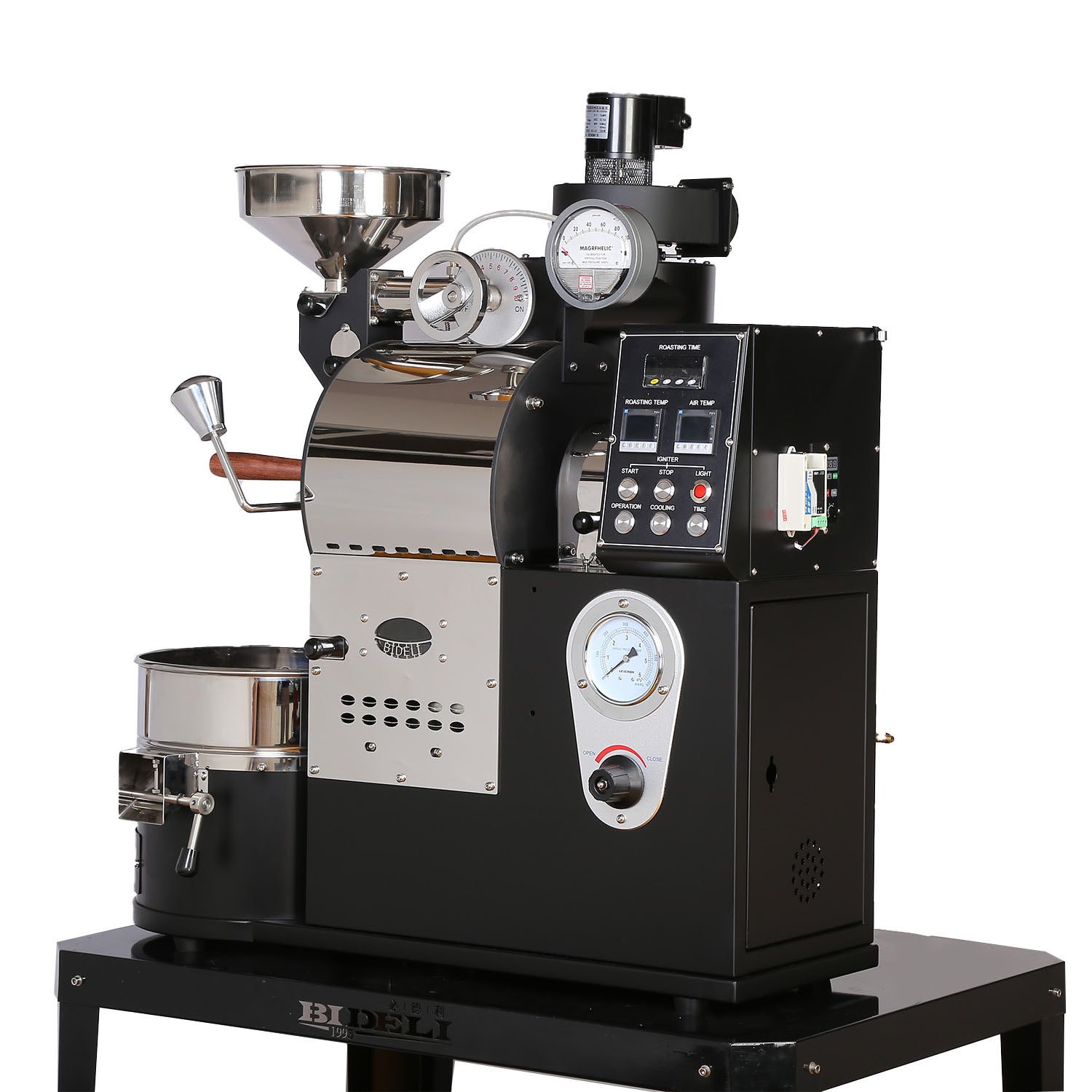
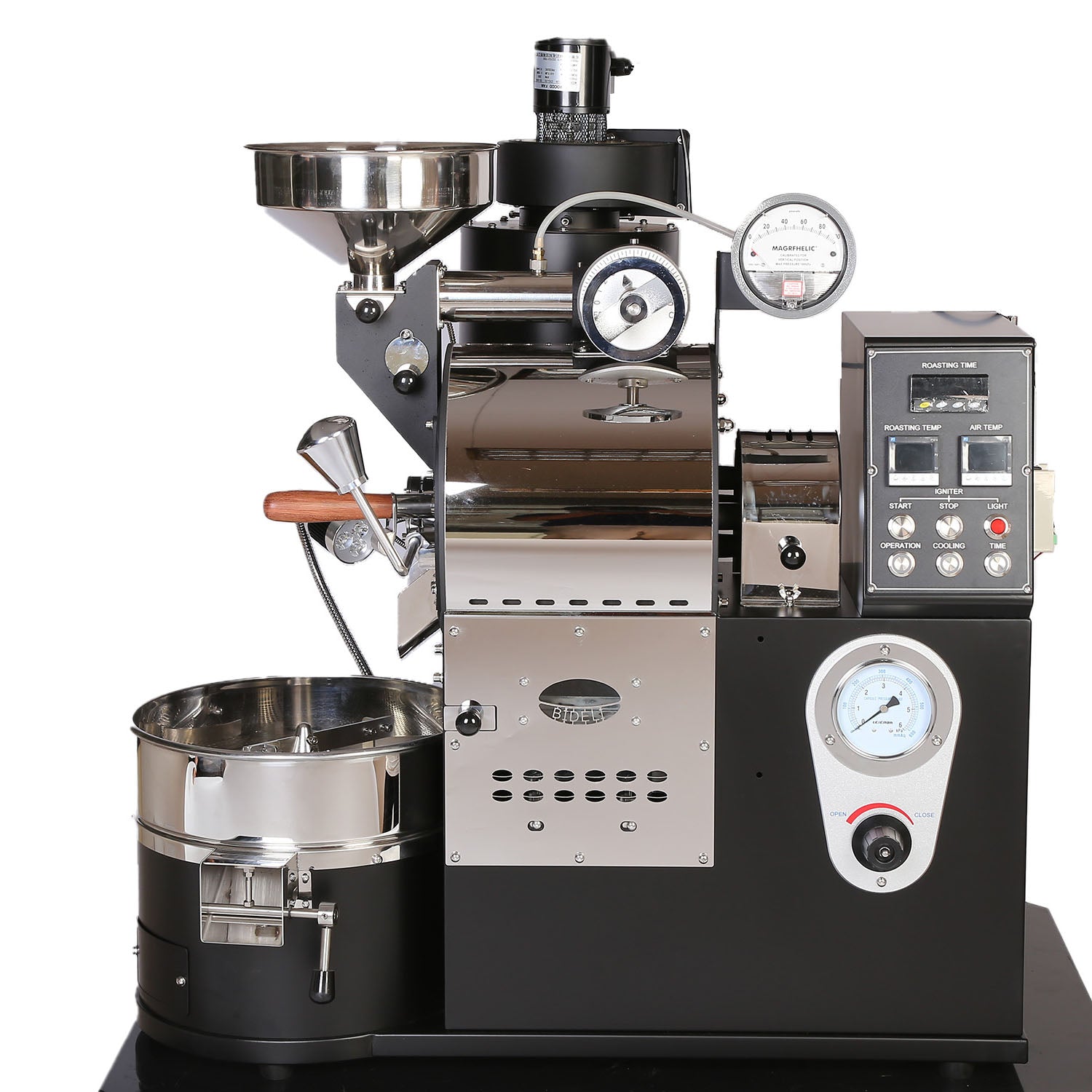
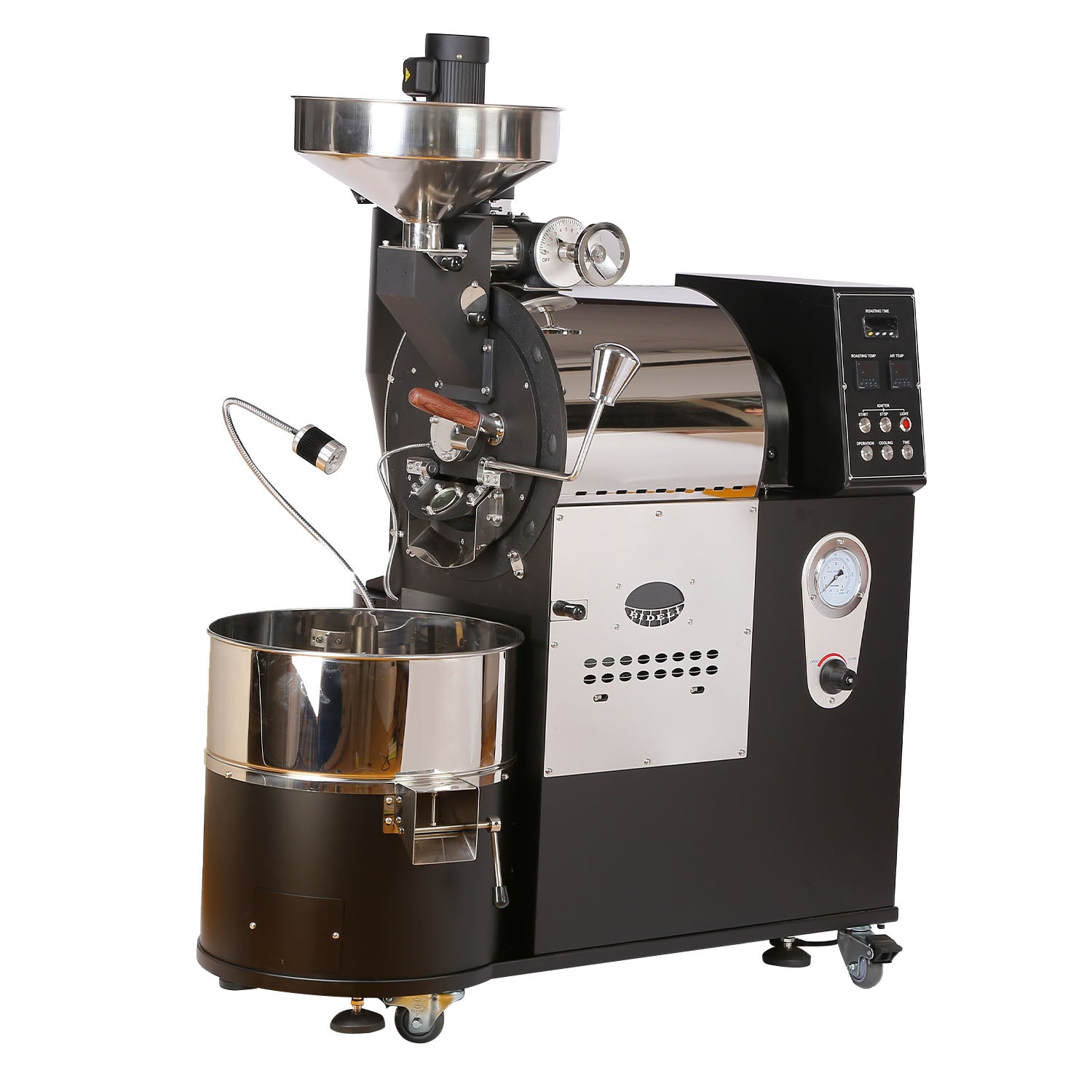
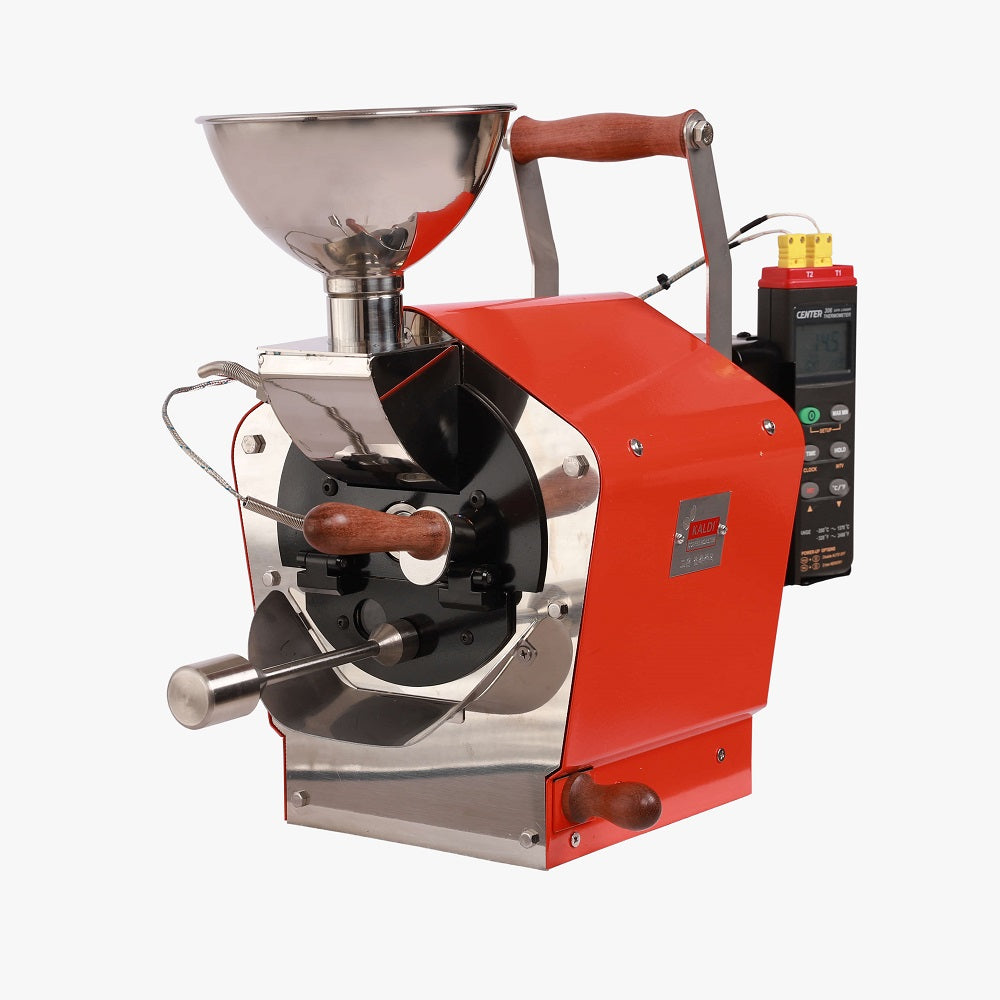
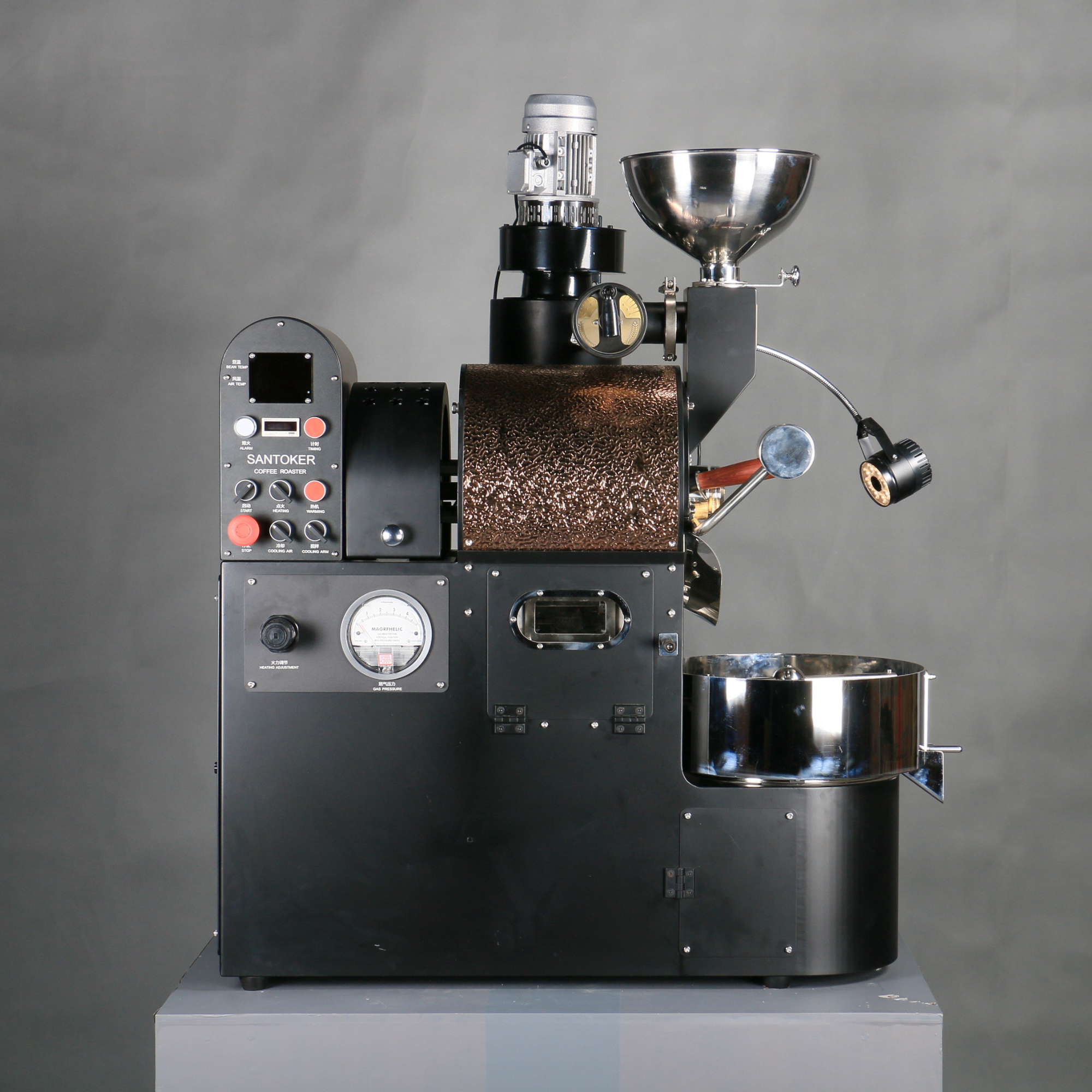
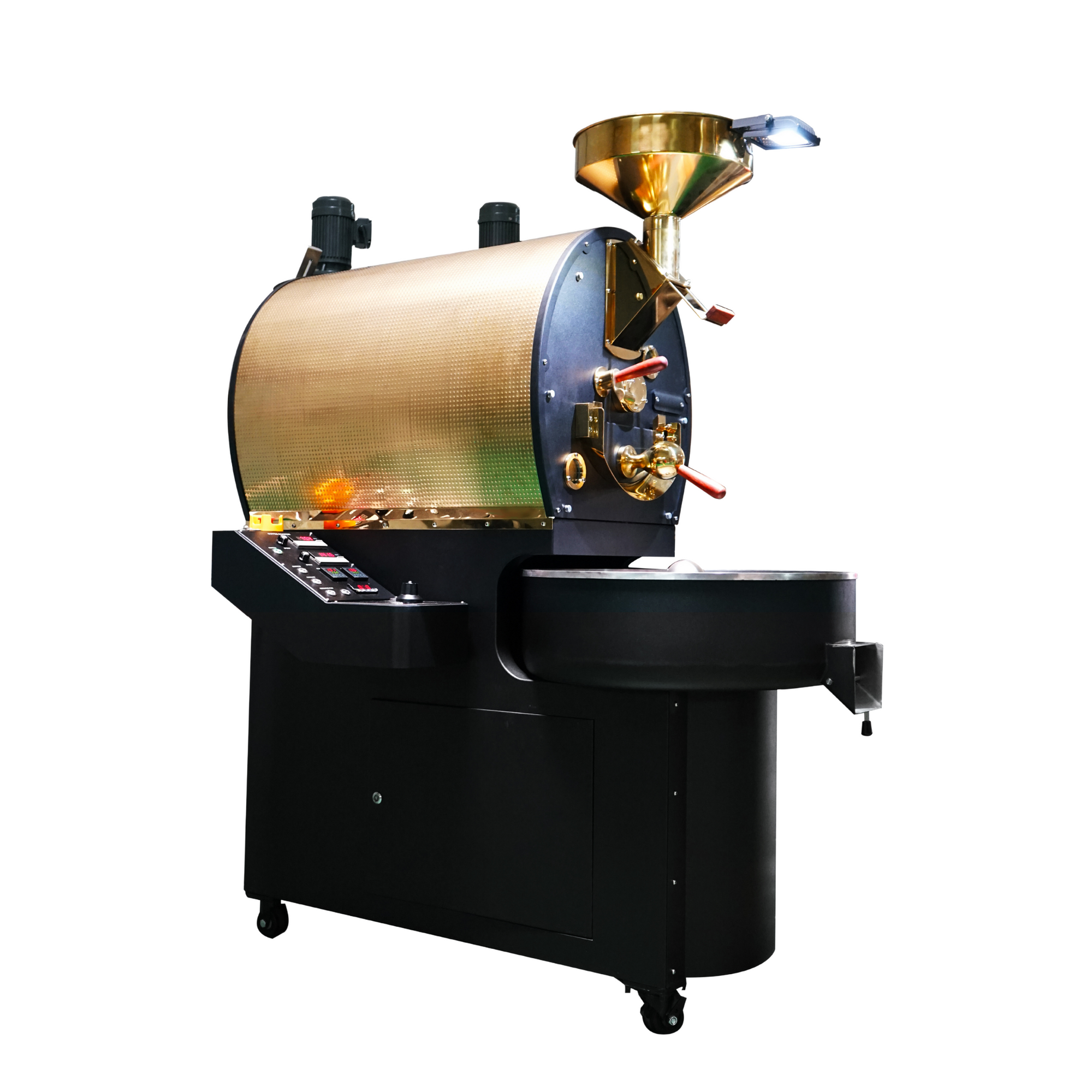
Commercial Coffee Roaster Machines
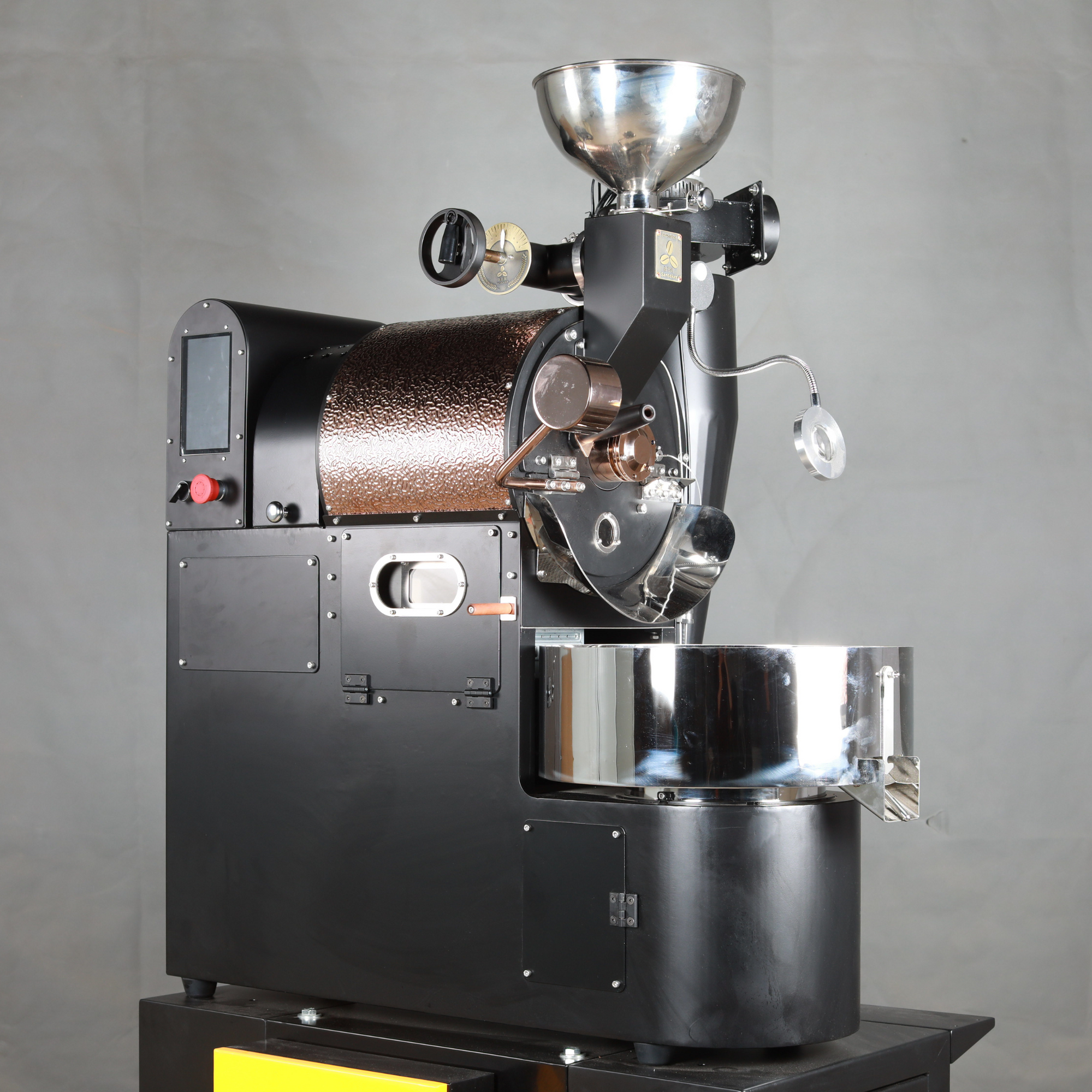
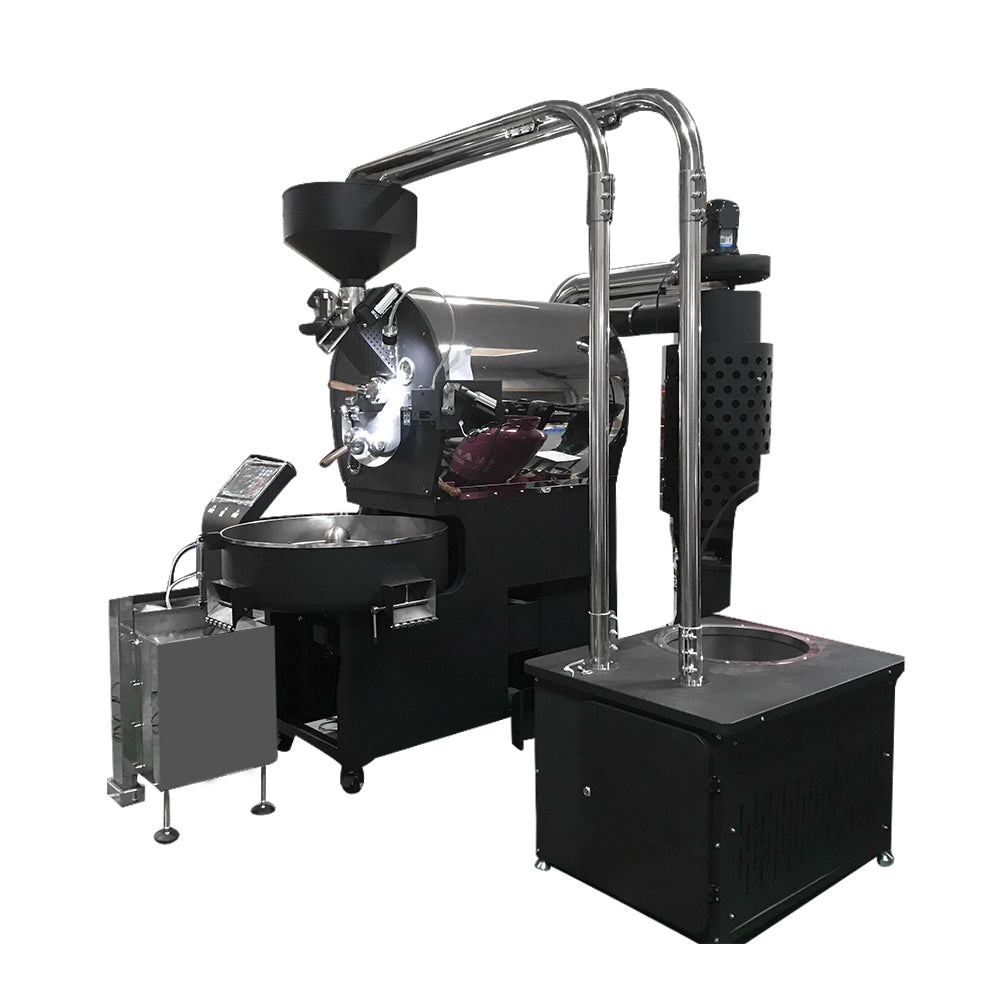
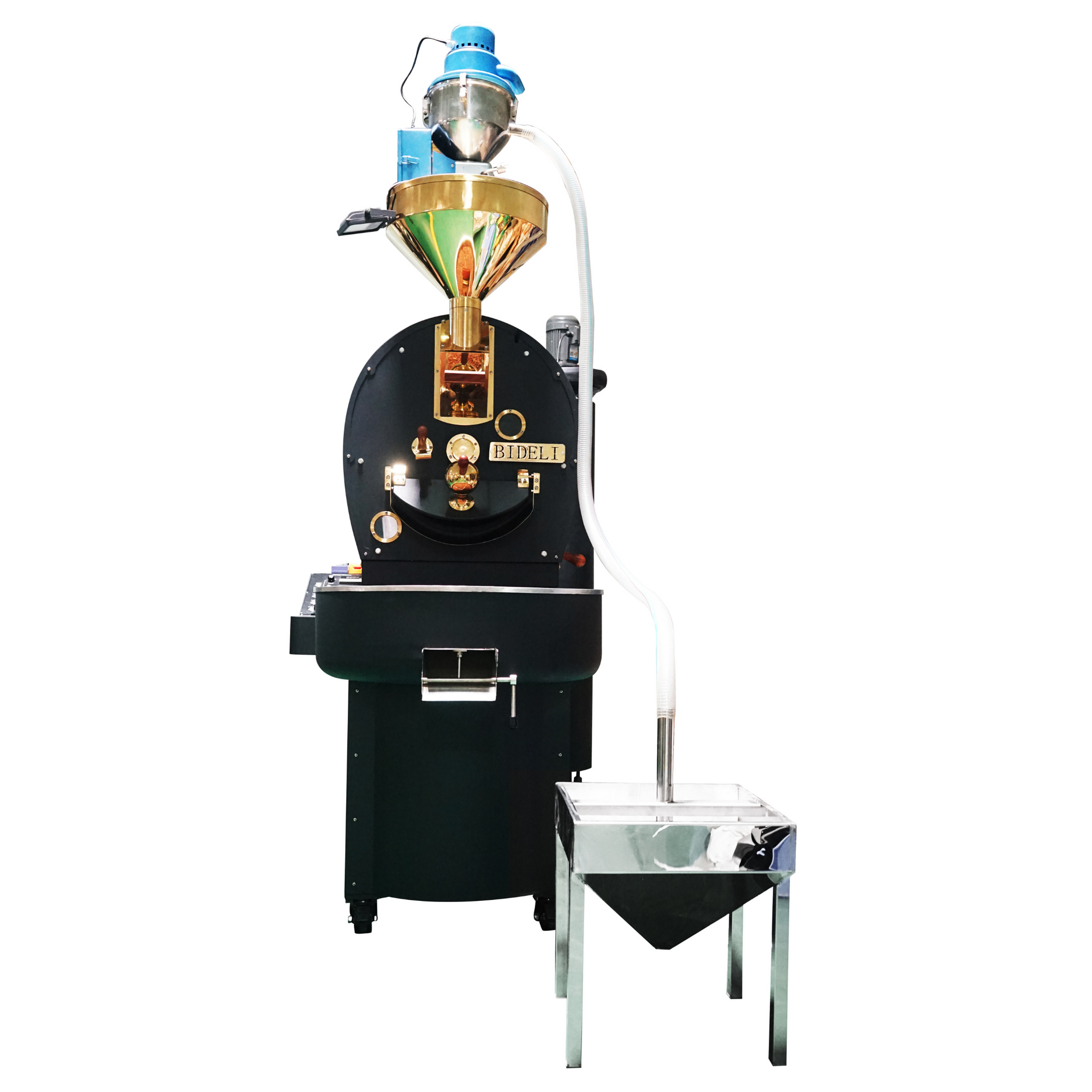
A commercial coffee roaster is a machine built to roast green coffee beans at volume, with the consistency and repeatability a business depends on. Whether you're scaling a café, supplying wholesale accounts, or launching a roastery, the right commercial coffee roaster machine pays for itself in faster batches, even roasts, and a lower energy cost per pound.
Designed for high-volume roasting, these machines are the backbone of any serious coffee business. They're an investment — but their faster roast times, repeatable profiles, and superior energy efficiency make them a worthwhile addition whether you're a coffee shop owner scaling up production or a roasting operation upgrading equipment.
To learn more about commercial coffee roasting, read our guides on how to become a coffee roaster and choosing the right commercial coffee roaster for your business.
How to choose a commercial coffee roaster machine
1. Match batch size to your volume. The single biggest decision is capacity. Roasting 5 lbs at a time for a café is a different machine than producing 200 lbs a day for wholesale. Size up to roughly 70–80% of your busiest day's demand so you're not running back-to-back batches at peak.
2. Drum vs. fluid-bed (air). Drum roasters tumble beans against a heated rotating drum for a richer, more traditional body and the deepest profile control — the standard for most commercial roasteries. Fluid-bed (air) roasters use hot air for faster, brighter, cleaner roasts, usually in smaller batches.
3. Gas vs. electric. Gas gives responsive heat and is preferred for larger production drums; electric is simpler to install (no gas line), runs cleaner indoors, and suits smaller café and shop roasters.
4. Profile control and repeatability. If you sell your coffee, look for adjustable airflow, drum-speed control, and data logging so you can save a roast curve and hit it again, batch after batch.
Commercial roaster sizes at a glance
| Roaster class |
Batch capacity |
Best for |
Rough output / hr |
| Sample / shop |
200 g – 1 kg |
Cafés, R&D, micro-roasters |
up to ~5 kg |
| Small commercial |
1 – 3 kg |
In-house café roasting, small wholesale |
~8 – 18 kg |
| Mid commercial |
5 – 15 kg |
Established roastery, regional wholesale |
~30 – 90 kg |
| Large / industrial |
20 – 70+ kg |
High-volume production |
120 kg + |
Frequently asked questions
How much does a commercial coffee roaster cost?
Entry-level shop roasters (1–3 kg) typically start in the low thousands, mid-size commercial drums (5–15 kg) run from the high single digits into the tens of thousands, and large production roasters (20 kg+) climb well beyond that. Browse the collection above for current pricing on each model.
What size commercial roaster do I need for a café?
Most cafés roasting in-house do well with a 1–3 kg roaster, which covers daily service plus a little wholesale. If you're supplying multiple locations or wholesale accounts, step up to a 5–15 kg drum.
Drum or fluid-bed — which is better for a commercial roastery?
Drum roasters are the commercial standard: more body, deeper profile control, and larger batch sizes. Fluid-bed (air) roasters are faster and produce a brighter, cleaner cup but usually in smaller batches — a good fit for light-roast specialists and sample roasting.
Gas or electric commercial roaster?
Gas is preferred for larger production drums thanks to responsive heat. Electric is easier to install (no gas line), burns cleaner indoors, and is a strong choice for smaller café and shop roasters.