


Quick answer: Coffee grows in a geographic band called the Bean Belt, running between the Tropics of Cancer and Capricorn (roughly 25°N to 30°S). About 70 countries produce coffee commercially, but fewer than 15 account for nearly all global supply. Altitude, rainfall pattern, and soil type determine which species and varieties thrive in each region.
The Bean Belt is real and the boundaries are tight. Coffee plants need average temperatures between 15°C and 24°C (60°F to 75°F) for Arabica, slightly warmer for Robusta, and they need those temperatures consistently year-round. That rules out most of the planet. What remains is a band of tropical and subtropical highlands where the combination of volcanic soil, reliable rainfall, and high altitude slows bean development long enough to build the sugars and acids that make specialty coffee worth drinking.
If you have ever wondered why Colombian beans taste so different from Indonesian ones, the answer is almost entirely geography: elevation, distance from the equator, processing tradition, and the specific microclimate on that hillside. This guide covers 14 of the most important producing countries, where they grow, at what altitude, and what ends up in your cup. At CoffeeRoast Co., we stock green beans and roasted offerings from several of these origins, so the flavor descriptions below are not abstract.
The Americas
Jamaica
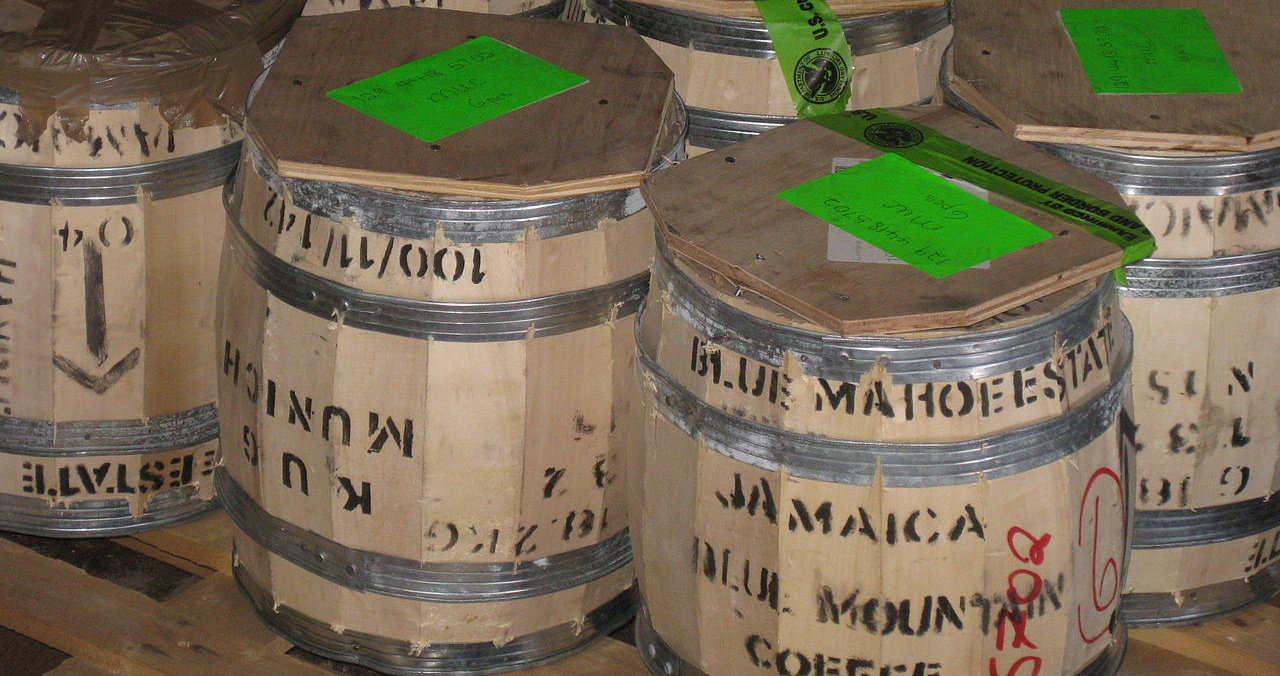
Jamaica Blue Mountain (JBM) Coffee is grown in cloud forest above 915 meters in the Blue Mountains. It ships almost exclusively in traditional Aspen wood barrels rather than burlap sacks, which is unusual enough that importers use the packaging as an authenticity marker.
The cup is extra smooth, mellow-sweet, and nearly free of bitterness. Expect a velvety mouthfeel with occasional hints of herbs and milk chocolate. It is the bean that made Jamaica a specialty-coffee pioneer, and it has earned the "champagne of coffees" label from people who are not normally given to that kind of language.
Hawaii (Kona)
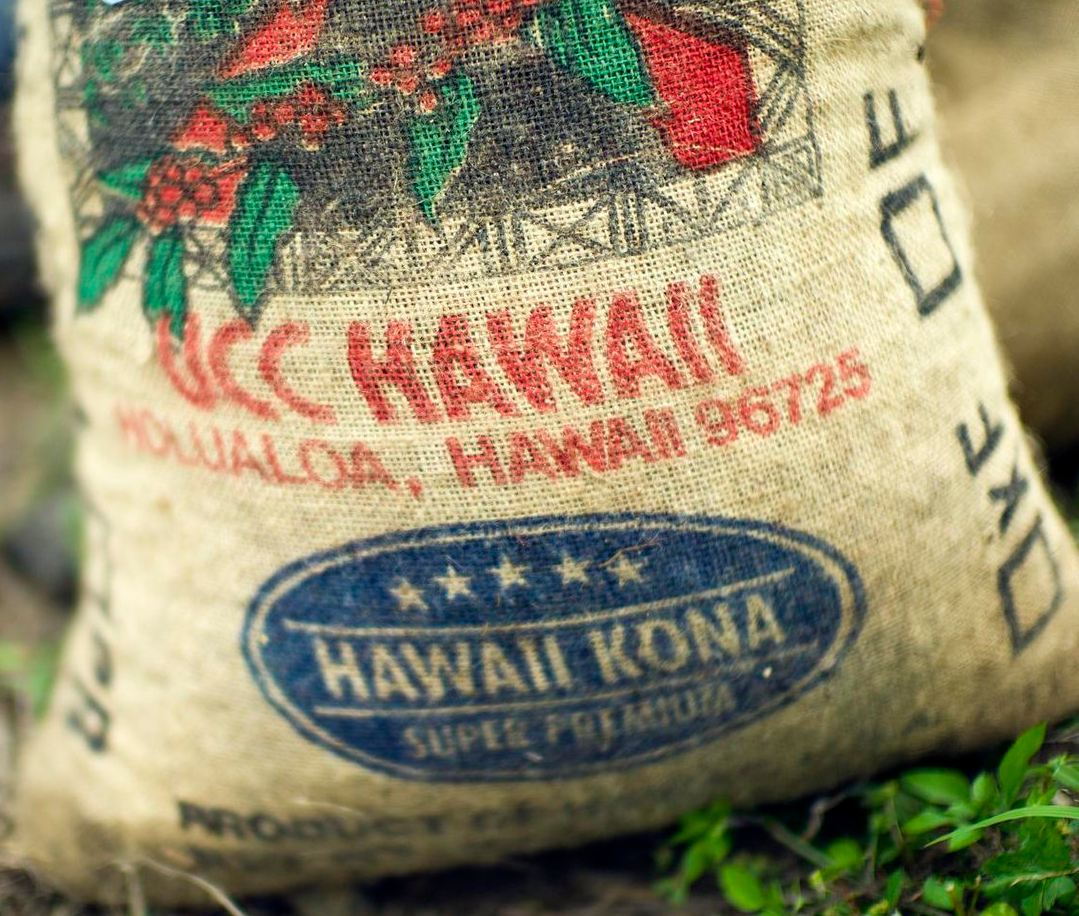
Hawaii is the only U.S. state that grows coffee at commercial scale. Other than small experimental plots in California, nothing else comes close. Kona, on the Big Island's western slope between the Mauna Loa and Hualalai volcanoes, is where the sought-after beans come from.
Pure Kona coffee is among the pricier origins on the planet. Watch the labeling carefully: anything called "Kona blend" can legally contain as little as 10% Kona beans under Hawaii state law. The real thing is well-balanced and medium-bodied with notes of honey, brown sugar, and milk chocolate, a lingering silky aftertaste, and enough acidity to keep it lively without tipping sharp.
Mexico
Mexico ranks in the global top 10 for production, mostly commodity-grade coffee headed for the U.S. market. About 95% of it comes from four southern states: Chiapas, Oaxaca, Veracruz, and Puebla.
The flavor varies more than people expect given how flat the category marketing is. At its best, Mexican coffee is subtle, lighter in body, mildly acidic, and richer in chocolate and caramel notes than in fruit. It is rarely bold, but it is reliable. Certain Chiapas cooperatives have been producing honest specialty-grade lots that punch above their price point.
Guatemala
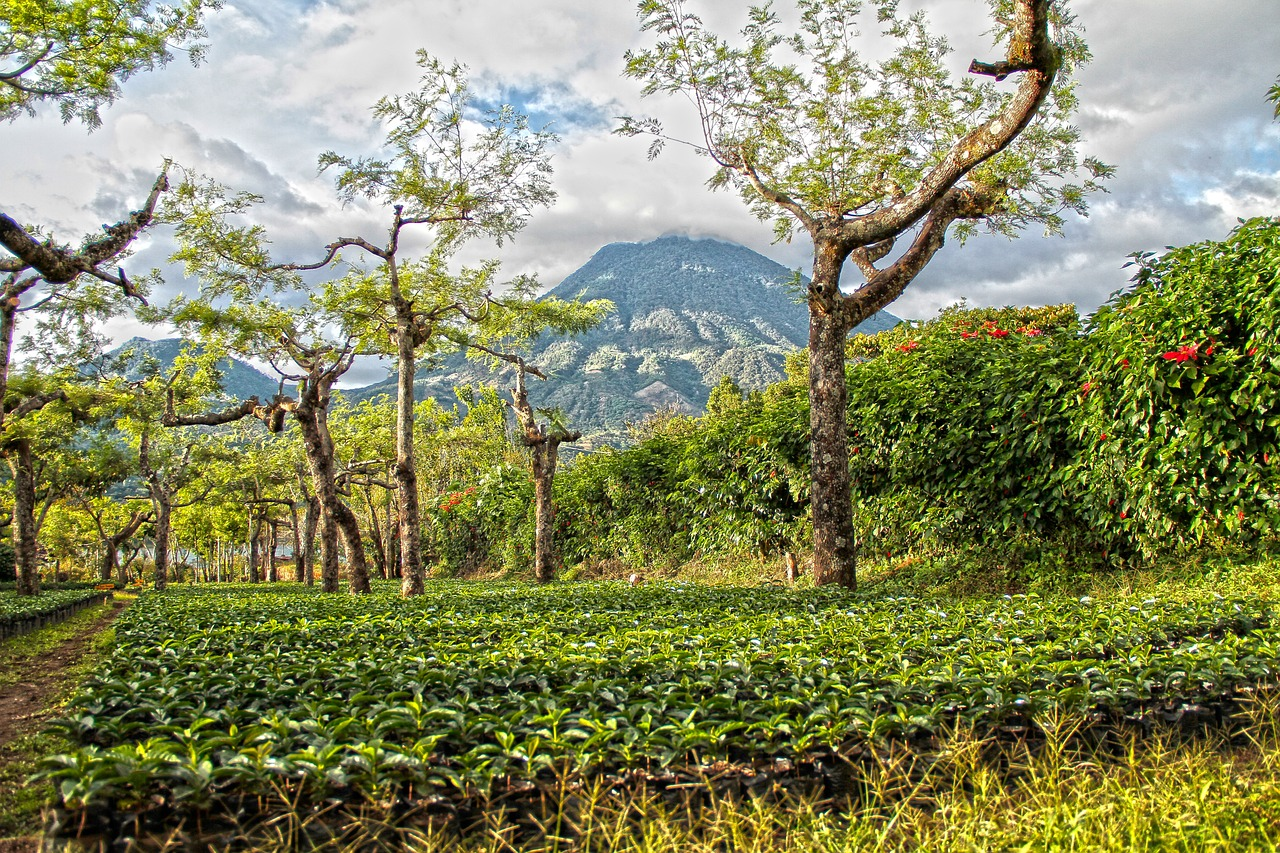
Guatemala is the second-largest coffee producer in Central America after Honduras. The country has eight official coffee-growing regions; three get most of the attention: Antigua, Coban, and Huehuetenango.
Huehuetenango in the northwest is the most distinct. Grown at 1,500 to 2,000 meters with no frost thanks to hot winds from the Tehuantepec plain, it produces dry-processed beans with bright acidity and stone-fruit sweetness. Antigua tends toward chocolate and spice. Coban leans floral and delicate because of its high-altitude cloudforest rainfall. The diversity of microclimates is real, not just marketing copy.
Brazil
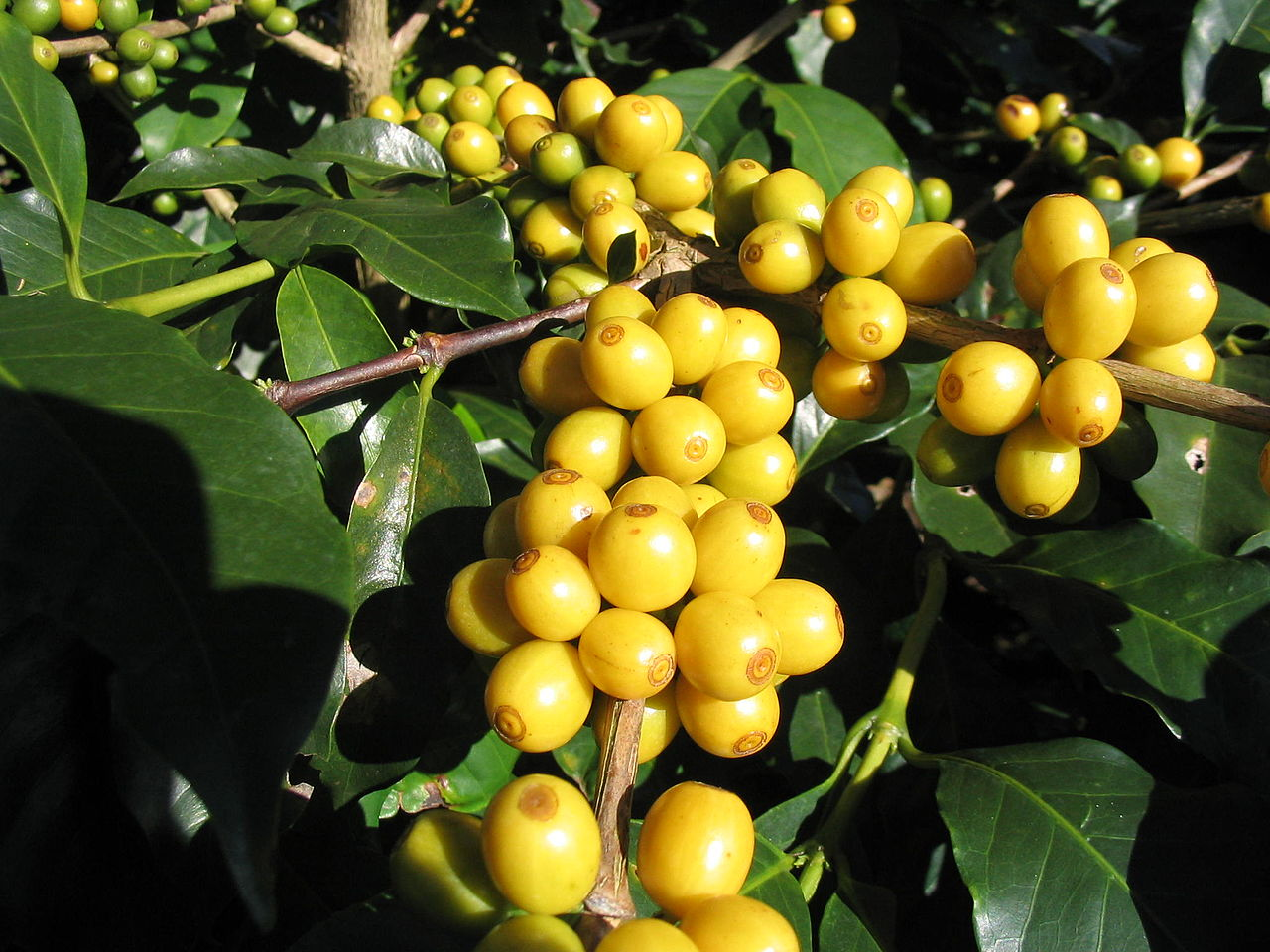
Brazil has been the world's largest coffee producer and exporter for roughly 150 years, responsible for about a third of global supply. The southeastern states of Minas Gerais, São Paulo, and Paraná handle the bulk of that output.
Brazilian plantations are mostly flat, which means mechanized strip-harvesting rather than selective hand-picking. That is efficient at scale but tends to produce inconsistent cherry ripeness in the same batch. The flavor profile compensates: low-grown beans develop sweet, nutty, chocolatey, and buttery notes with low acidity and a heavy body. For espresso blends, Brazilian naturals are a backbone ingredient in almost every major commercial roast.
Colombia
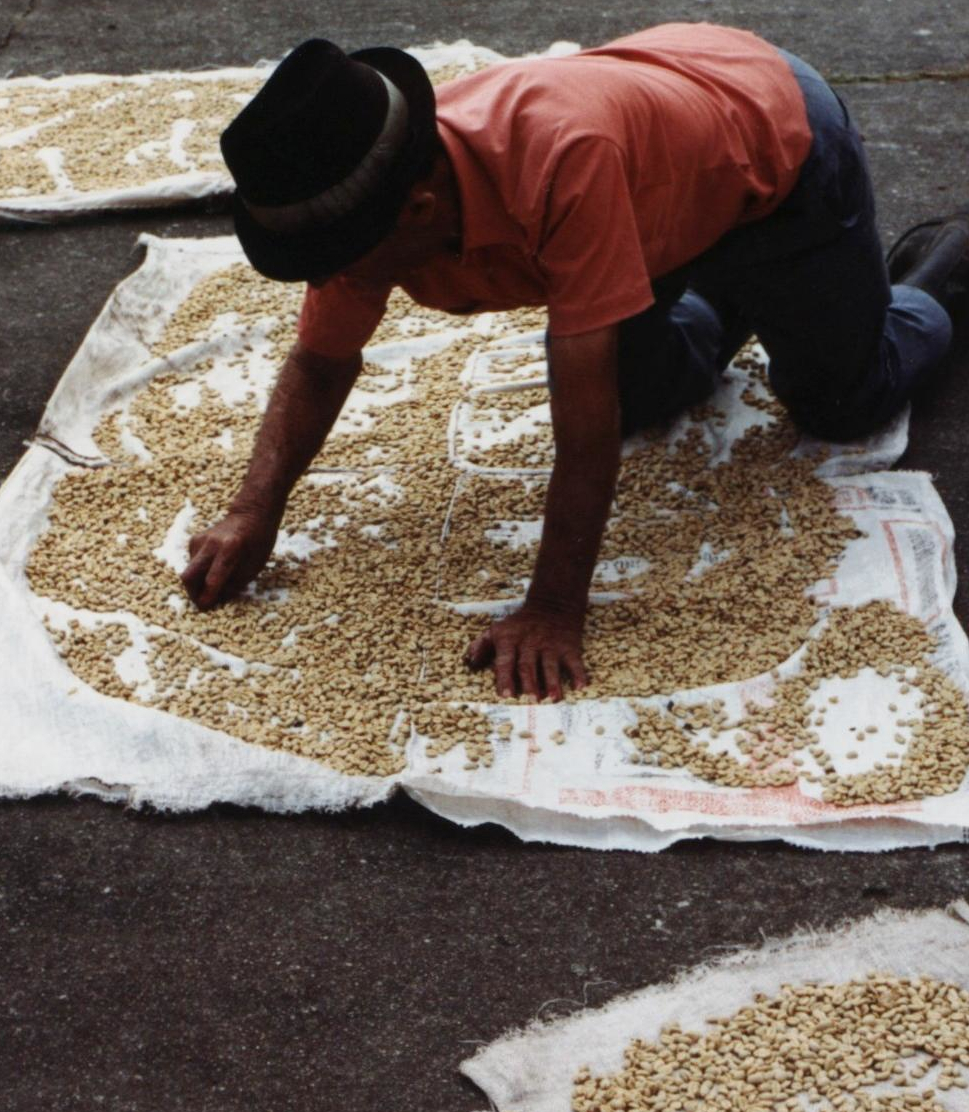
Colombia takes third in global production and has probably the most recognized national coffee brand. Juan Valdez has been a marketing fixture since 1958. Sitting right on the equator, Colombia's rugged Andean terrain and dozens of microclimates give it two harvests a year in some regions, which is unusual.
Most production runs through the Coffee Growing Axis (Eje Cafetero) in the Paisa region, the departments of Caldas, Quindío, and Risaralda, plus Antioquia and Cundinamarca. The flavor range is genuinely wide: heavy-bodied lots with nut and chocolate from lower elevations, and exceptionally clean, complex cups with jammy cherry sweetness from high-altitude farms in Nariño or Huila. If someone tells you "Colombian coffee" as though it is one thing, they have not tasted much of it.
Africa
Ethiopia
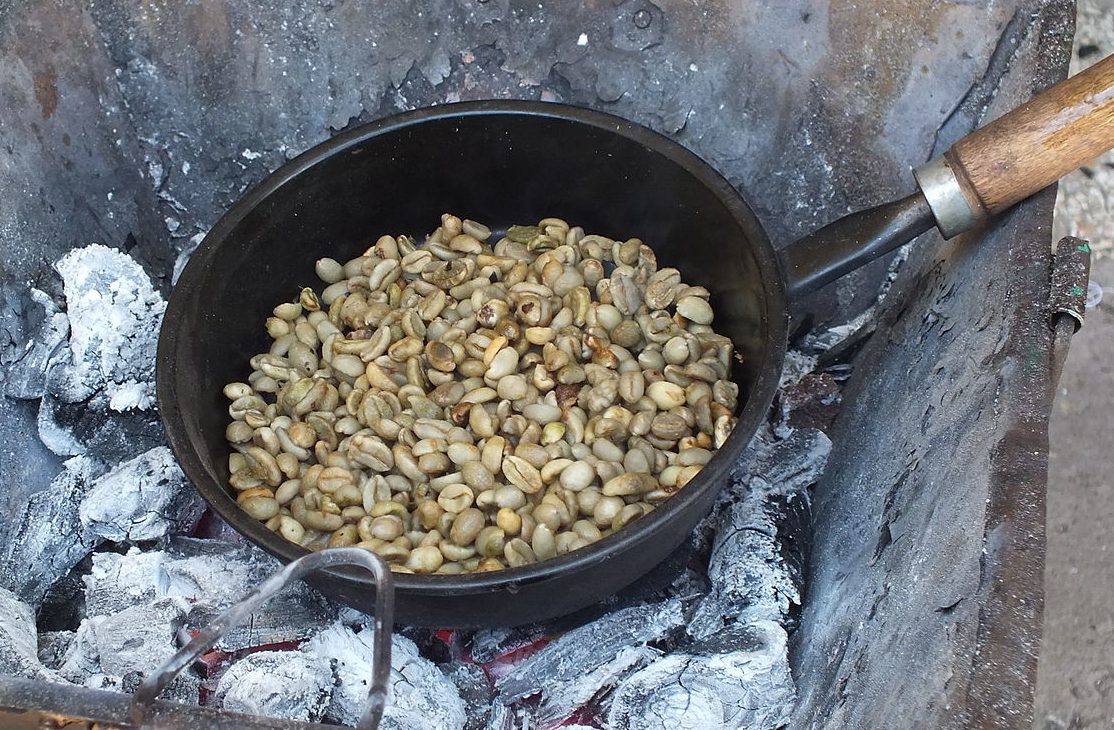
Ethiopia is where coffee comes from, not metaphorically but literally. The plant Coffea arabica is indigenous to the southwestern highlands around Kaffa, which is likely where the word "coffee" originates, around 850 CE. Ethiopia is Africa's top producer and in the global top five.
Beans grow at up to 2,200 meters in Sidamo (especially the Yirgacheffe subregion), Djimmah, Limu, and Kaffa. About 90% of cherries are hand-picked from wild forest plants or garden plants around smallholder homes. There are thousands of heirloom varieties documented only in Ethiopia, most of them naturally occurring rather than bred. The cup tends toward tea-like brightness, high floral aroma, and intense fruitiness: strawberry, blueberry, and jasmine are the most commonly noted. It is the origin that converts filter-coffee skeptics more reliably than any other.
Kenya
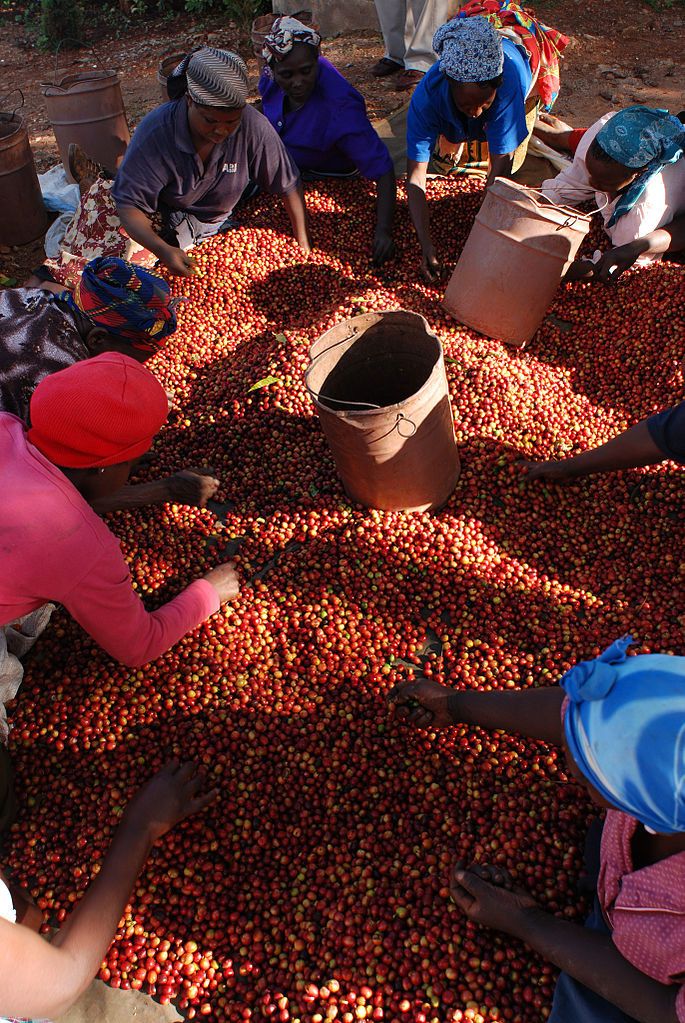
Kenya runs a government-managed coffee grading system that most producing countries do not bother with. Kenyan AA beans are the largest screen size (17 to 18), the most exported, and typically the best. The major growing areas are the high plateaus around Mount Kenya, the Aberdare Range, and several western counties including Bungoma, Kericho, and Kisii.
The flavor profile is assertive: juicy blackcurrant acidity, full body, and a brightness that is almost citrus-tart on some washed lots. A good Nyeri County SL28 or SL34 lot can taste like fresh tomato and blackberry in the same sip, which sounds strange until you try it. Kenya is the origin most home baristas get wrong by brewing too cool; it needs 96°C water to open up fully.
Tanzania
Tanzania produces Arabica in the Southern Highlands (Arusha, Mbeya, Ruvuma, Songwe) and on the slopes of Kilimanjaro and Mount Meru in the north. The two zones taste noticeably different: southern lots tend toward medium body, bright fruit, and floral aromas; northern lots run more aromatic, more acidic, and heavier-bodied with a sweet finish.
Tanzanian peaberry is the coffee that put the country on the specialty map. Peaberries form when only one seed develops inside the cherry instead of the usual two, creating a rounder, denser bean that roasts more evenly. The flavor is intense: high acidity, rich chocolate, dark-fruit hints, and a soft sweet finish. Worth seeking out if you have not tried it.
The Middle East
Yemen
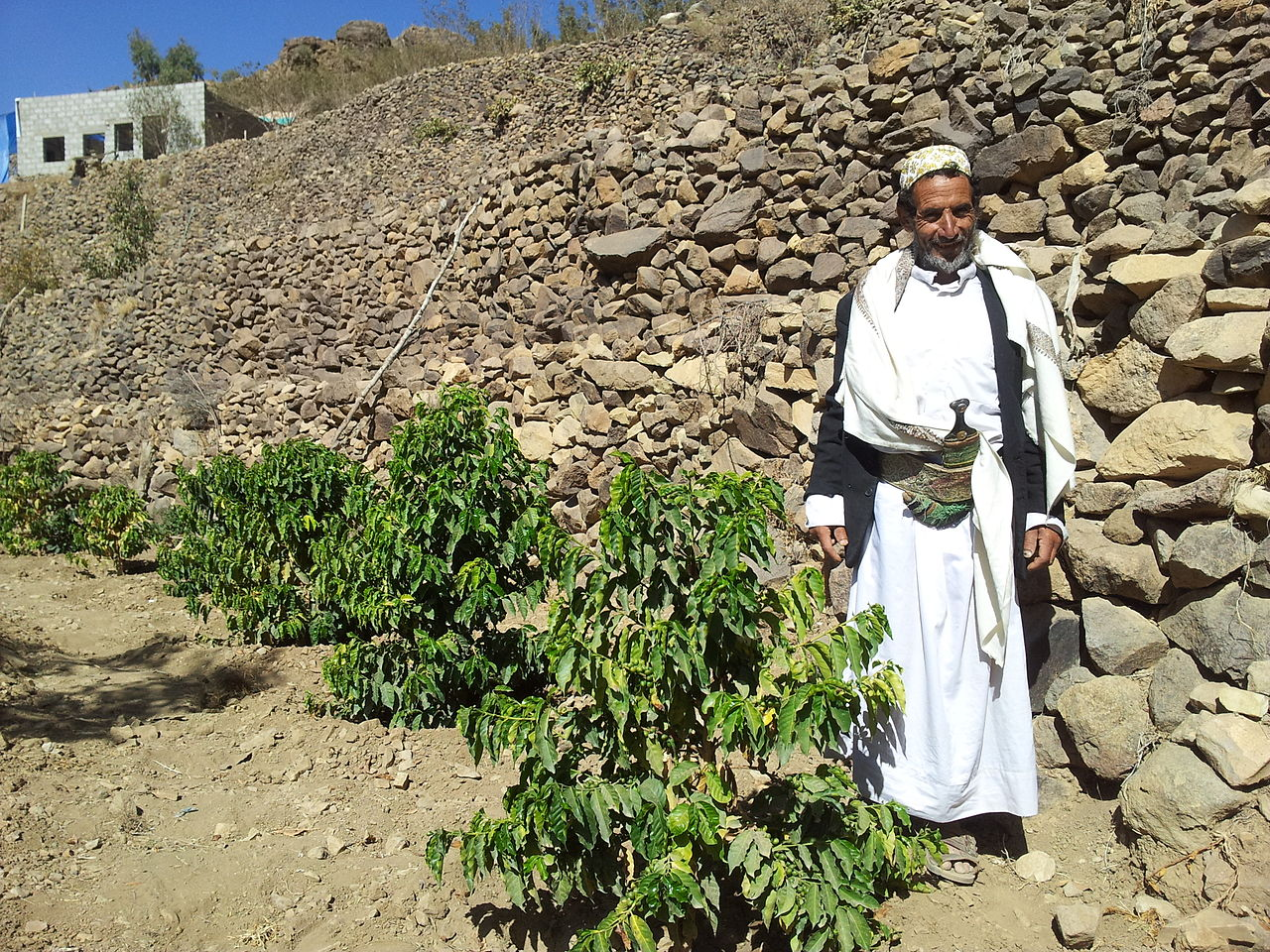
Yemen has the longest documented coffee-export history of any country. A Sufi monk reportedly first brewed the drink around 1450 CE, and within a century Yemen was shipping coffee from the Red Sea port of Al-Mukha to Europe and the Ottoman Empire. Mocha became a synonym for coffee and eventually lent its name to the moka pot.
The growing happens in the dry mountainous west: Hirazi, Mattari, Sanani, and Ismali. Farms are carved into hillside terraces so steep that mule transport is still standard. Authentic Yemeni coffee is scarce and expensive. Ongoing conflict has made consistent export difficult since 2015, and a lot of what is sold as "Yemeni" in specialty markets is not. When you get the real thing, it is earthy, pungent, and complex: winey acidity, full body, dried fruit, cinnamon, and cardamom with a long chocolatey finish unlike anything else in the catalog.
Asia
India
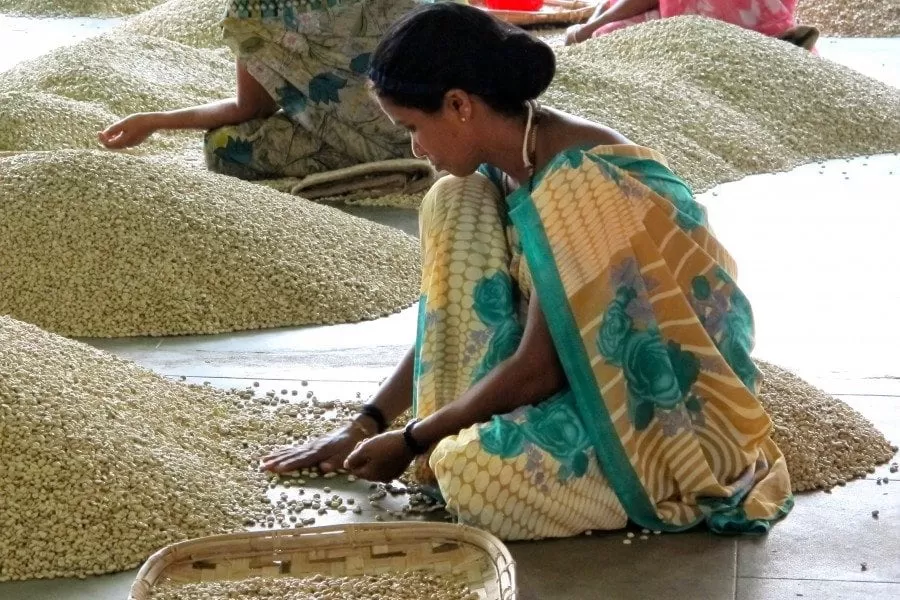
India is the world's sixth-largest coffee producer and the only country that grows all of its coffee under shade cover. Production is roughly 50:50 Arabica and Robusta, concentrated in the Western Ghats across Karnataka, Kerala, and Tamil Nadu.
The Malabar Coast process is the one that gets most of the international attention. Green beans are stored in open-sided warehouses and exposed to the southwest monsoon wind and rain for 2 to 4 months. The result, Monsooned Malabar, develops a mellow, musty, low-acid flavor with a heavy syrupy body that resembles aged coffee. It is polarizing: people either love the earthiness or find it overwhelming. But it does not taste like anything else.
Malaysia
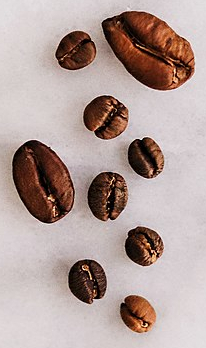
Malaysia is the world's primary grower of Liberica coffee, a species most coffee drinkers have never encountered. Liberica beans can be twice the size of Arabica beans, hence the nickname "elephant beans," and the plants themselves grow much taller than Arabica or Robusta, which makes harvesting difficult.
Liberica is grown in the lowlands of Johor, Kelantan, Kedah, Malacca, Selangor, and Terengganu, plus Sabah and Sarawak on Borneo. High-grade Malaysian Liberica has an intense sweetness, a near-woody smokiness, and almost no acidity. The natural flavors come through clearly: notes range from jackfruit to dark wood to something close to cured meat on some lots. The finish is long. If you can find it, try it once; it does not resemble anything in the standard Arabica catalog.
Vietnam
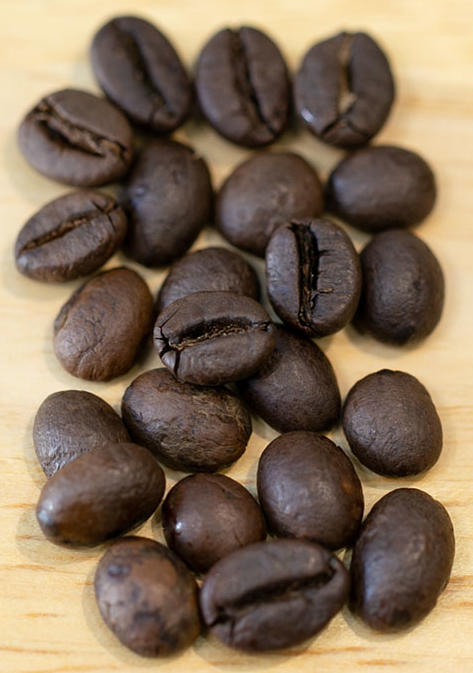
Vietnam is now the world's second-largest coffee exporter, a position it reached in roughly two decades through aggressive Robusta cultivation. Close to 100% of what Vietnam grows is Robusta, concentrated in the Central Highlands provinces of Dak Lak, Dak Nong, Gia Lai, Kon Tum, and Lam Dong.
Most Vietnamese production ends up in commercial blends and instant coffee, where Robusta's higher caffeine content and lower price point make it useful. Specialty Vietnamese coffee is less common but worth knowing about: good examples deliver dark chocolate, hazelnut, and sweet tobacco notes with a substantial body. Taken black, it is decidedly bitter. Traditional ca phe sua da (Vietnamese iced coffee with sweetened condensed milk) is designed around that bitterness, not despite it.
Indonesia
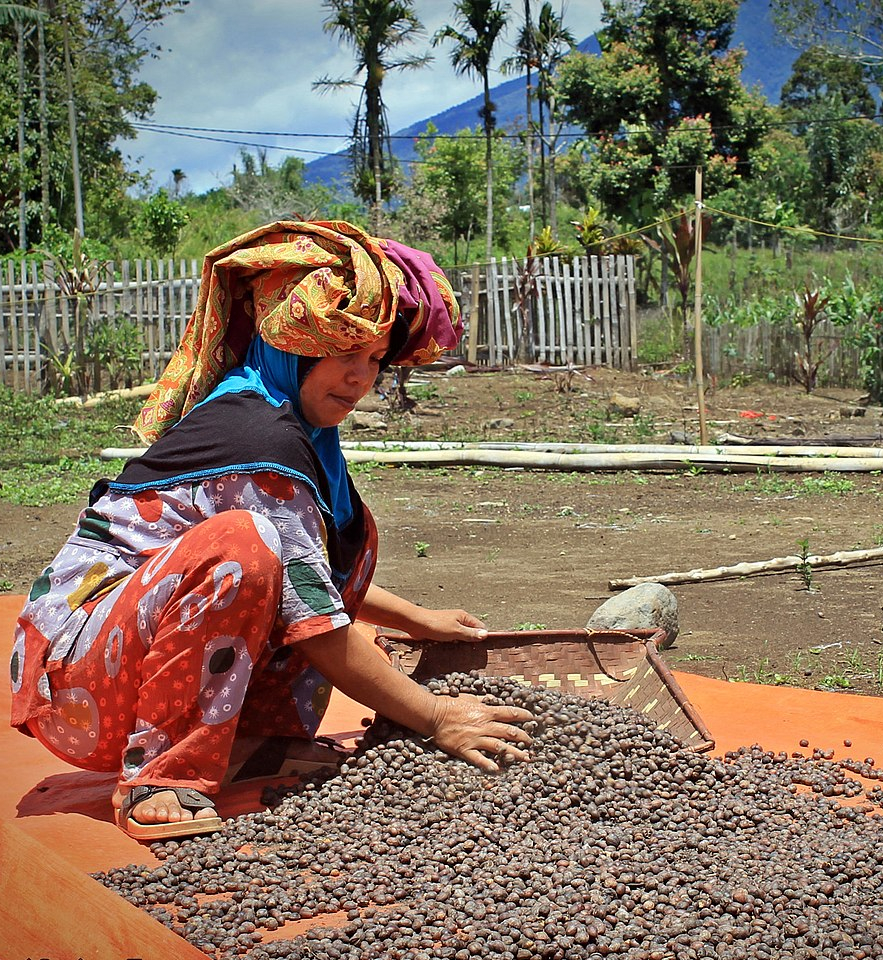
Indonesia spans more than 17,000 islands, and coffee grows on a surprising number of them. Sumatra produces the most, with Mandheling and Gayo lots among the most sought-after. Java was producing coffee for European export as early as the 17th century, so early that "java" became an English-language synonym for coffee. Sulawesi, Bali, Flores, and Papua round out the notable origins.
Indonesian coffees are processed using a method called wet-hulling (giling basah), where the parchment is stripped while the beans are still partially wet. That step creates the characteristic earthiness: low acidity, heavy body, and flavor notes running from mustiness and spice to wood and dark chocolate, with a lasting cocoa-like aftertaste. It is an acquired taste for people raised on washed East African coffees, but most serious home roasters keep Indonesian greens in rotation for espresso blends.
Frequently Asked Questions
What is the Bean Belt?
The Bean Belt is the geographic zone between the Tropics of Cancer (25°N) and Capricorn (30°S) where commercial coffee production is possible. Within that band, coffee grows where altitude, rainfall, temperature, and soil align, not everywhere, but in specific highland and tropical regions across roughly 70 countries. Arabica requires 15 to 24°C (60 to 75°F) year-round; Robusta tolerates slightly warmer and more humid conditions.
Why does altitude matter for coffee growing?
Higher altitude slows bean development. A cherry at 2,000 meters spends more time on the plant than the same variety at 800 meters, which gives it more time to develop sugars, acids, and aromatic compounds. The result is denser beans with brighter acidity and more complex flavors. Low-grown coffees (like much of Brazil's output) tend toward sweetness and body over brightness and complexity.
What is the difference between Arabica and Robusta?
Coffea arabica accounts for about 60% of global production and is grown at higher elevations; it has lower caffeine (roughly 1.2%), more complex flavor, and higher acidity. Coffea canephora (Robusta) grows at lower elevations, contains roughly twice the caffeine of Arabica (around 2.7%), is more disease-resistant, and produces a harsher, more bitter cup used mainly in commercial blends and espresso for crema enhancement. Vietnam and Uganda are the two largest Robusta producers.
Which country produces the most coffee?
Brazil, by a large margin, roughly 35 to 40% of global supply as of 2026, a position it has held for about 150 years. Vietnam is second. Colombia is third. Ethiopia, Honduras, and Indonesia round out the top six, though the exact order shifts year to year with weather conditions.
What coffee origins are best for beginners?
Colombian and Brazilian coffees are the most forgiving places to start. They are widely available, competitively priced, and their flavor profiles (chocolate, nuts, caramel, mild fruit) are accessible without requiring you to calibrate around the more assertive acidity of a Kenyan or the earthy intensity of a Sumatran. Once you have a reference point, Ethiopian Yirgacheffe is the next origin worth trying specifically to understand what floral and fruity means in coffee terms.
Why is Yemeni coffee so expensive?
Authentic Yemeni coffee is scarce for two reasons: the farms are tiny and inaccessible (steep terraced hillsides with mule transport), and ongoing conflict since 2015 has disrupted consistent export. What reaches the international market commands premium prices, and the category has a significant counterfeiting problem. When you find a credibly sourced lot, the price reflects real scarcity, not just marketing.
What is wet-hulling (giling basah) and why do Indonesian coffees taste earthy?
Wet-hulling is a processing method unique to Indonesia where the parchment layer is removed while beans still have around 30 to 50% moisture content, versus standard washed processing which dries beans fully before hulling. Removing the parchment early exposes the bean to more oxygen during the drying phase, which drives the characteristic earthy, low-acid, heavy-bodied flavor of Sumatran and Sulawesi coffees. It is not a defect; it is the intended result of the method.
Key takeaways:
- Coffee grows in the Bean Belt: a tropical band between roughly 25°N and 30°S where about 70 countries produce commercial coffee.
- Altitude is the single biggest flavor driver. Higher elevation means slower development, denser beans, brighter acidity, and more complexity.
- Brazil dominates global supply at roughly 35 to 40%; Vietnam leads Robusta production; Ethiopia is where Arabica originated.
- Processing method (washed, natural, honey, wet-hulled) shapes flavor as much as geography. Indonesian wet-hulling is why Sumatran coffees taste earthy, not because the soil does something special.
- For origin exploration, CoffeeRoast Co. stocks a range of single-origin greens and roasted beans from several of the countries covered here. Start with Colombia or Brazil, then move to Ethiopian Yirgacheffe once you have a flavor baseline.
If you want to go deeper on how flavor develops during roasting rather than at origin, our guide to popular and unique coffee flavors covers the tasting vocabulary and what drives each note.


Willis Dickinson
August 01, 2024
Very interesting.
Thanks