

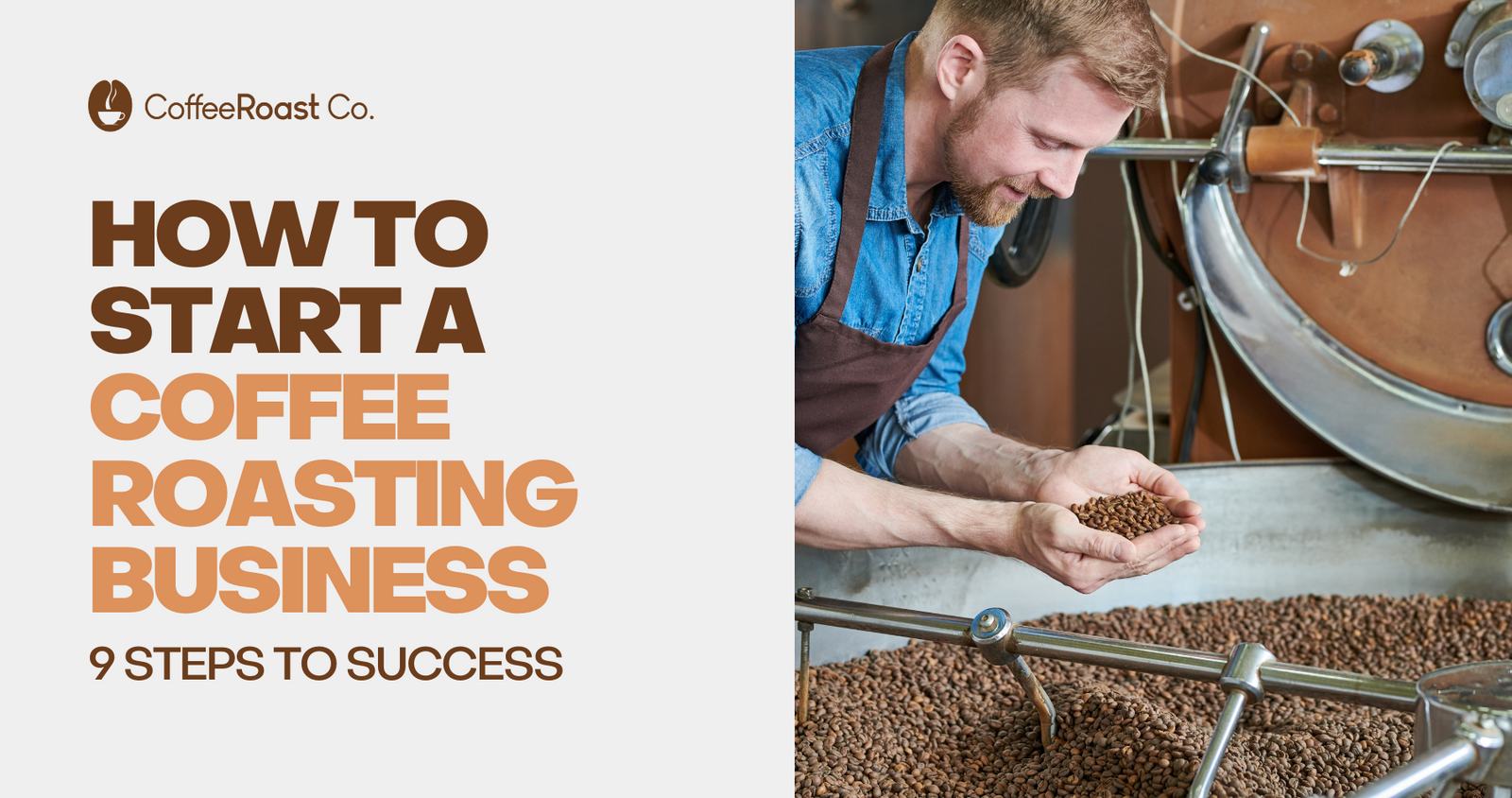
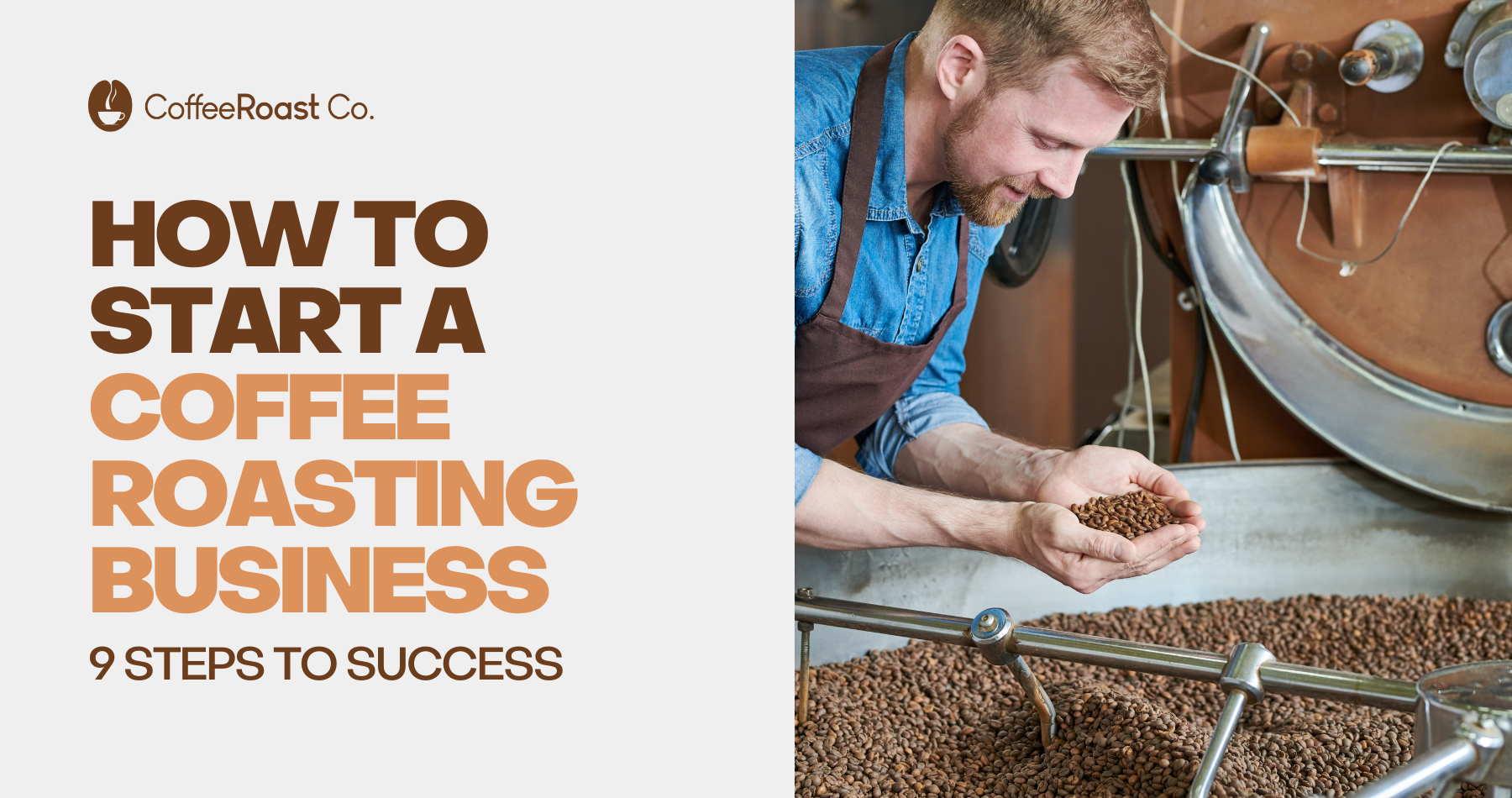

Quick answer: Starting a coffee roasting business means building real roasting skill first (1–2 years minimum, ideally SCA-certified), choosing a drum roaster that can scale to at least 2.2 lb per batch, locking in 2–3 green bean suppliers, registering your business entity and any required permits, and planning for startup costs between $10,000 and $150,000 depending on equipment and space.
Loving coffee is the easy part. Almost everyone who wants to open a roastery has that covered. What separates the operations that are still running at the three-year mark from the ones that quietly disappear is everything that comes after your first roast that actually tastes good — the supplier relationships you have to build before you need them, the legal structure you have to set up before you can sell anything, the equipment decisions that are almost impossible to reverse, and the months of marketing work before a single wholesale account trusts you enough to place a recurring order.
This guide walks through all nine stages in the order they actually need to happen. If you're a home roaster thinking about turning a weekend habit into a living, or a café owner who's tired of paying someone else's wholesale margins, start here.
- Step 1: Build your coffee know-how
- Step 2: Establish your roasting brand
- Step 3: Gather your tools and supplies
- Step 4: Secure a roastery location
- Step 5: Permits, licenses, and insurance
- Step 6: Cost and fund your startup
- Step 7: Write your business plan
- Step 8: Get your roastery online
- Step 9: Market your roastery
- Frequently asked questions
Step 1: What does it actually take to learn coffee roasting?
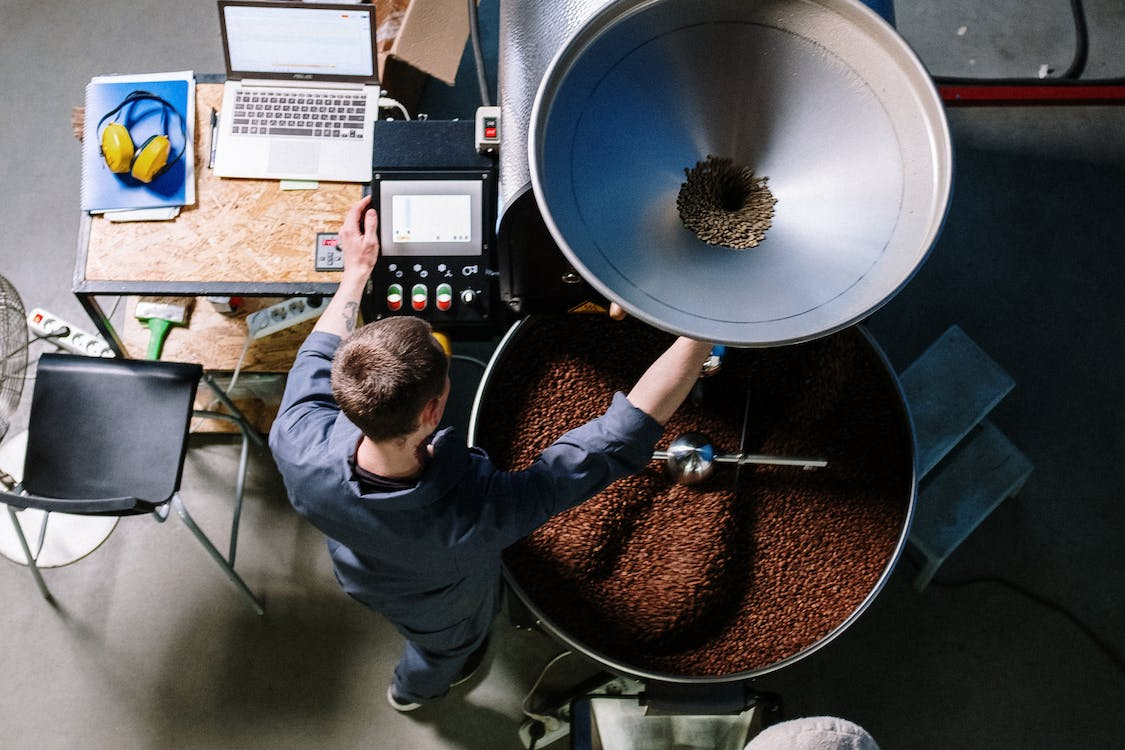
I'd say one to two years of serious hands-on roasting before you start selling. That's not me being gatekeepy — it's just the reality of what a paying customer expects. Someone who buys your Ethiopian natural, brews it, and gets a flat, grassy cup isn't coming back. And they'll tell people. You only get one first impression with every account you're trying to build.
Two organizations offer structured training I'd actually recommend. The Specialty Coffee Association (SCA) runs a modular curriculum that covers green coffee evaluation, roasting theory, sensory skills, and brewing science. The sensory module is particularly useful — it teaches you to identify defects in raw and roasted beans by palate rather than by reading a chart. The Coffee Roasters Guild (SCA's roasting-focused arm) and the Coffee Roasting Institute (CRI) both offer hands-on intensive programs worth looking into.
Do your market research at the same time, not after. Before you write a single line of a business plan, you need honest answers to a few questions: Who in your area is already buying specialty roasted coffee? What are they paying for it? Where are the existing roasteries falling short? Once you know the gap, you can decide whether to fill it with a single-origin focus, a subscription model, wholesale-only to cafés, or something else entirely.
The coffee market moves fast. Anaerobic fermentation and carbonic maceration went from novelty processing methods to mainstream in roughly 18 months. Staying close to the SCA community, getting to trade events like the SCAA Expo, and roasting as many different green coffees as you can get your hands on — that's how your palate keeps pace with what customers are starting to expect.
Step 2: How do you build a coffee roasting brand that people remember?
Your brand isn't the logo. The logo is just the part you can see. Your brand is the specific promise your packaging makes before a customer ever opens the bag — and that promise has to be grounded in something real before you go anywhere near a designer.
What are you actually offering that the roastery down the street isn't? Get specific about that first. Florida's Koffee Kult built a genuine following around an identity that made buyers feel like insiders. Their slogan "Be One of Us" does work that a hundred generic taglines can't. You don't have to copy their approach, but notice what they did: they made a specific bet on a specific audience and committed to it. You need to do the same thing.
Once you know what you stand for, nail down a name and a logo that works equally well on a kraft bag, a sticker, a business card, and a phone screen. Your packaging is a real marketing surface — probably your most important one at first. One-way valve bags with branded print cost real money at small volumes, but showing up with blank generic bags tells every wholesale buyer you're a hobby project, not a supplier they can count on.
Step 3: What equipment do you need to start a coffee roasting business?
What you actually need depends on your starting scale — micro-roaster producing under 50 lb a week, or wholesale-from-day-one operation. Here's the honest rundown.
Green beans
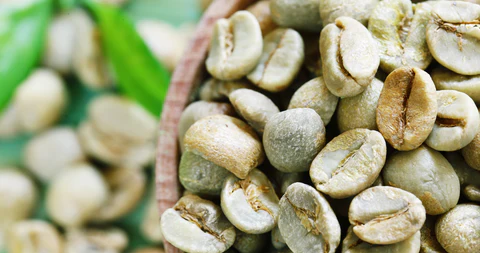
Your green bean sourcing sets your quality ceiling — full stop. Bulk specialty green runs $3–$8 per pound from most importers and brokers in 2026. Commodity-grade starts around $1.50/lb; premium micro-lot coffees can run $10–$15/lb or higher. Lock in two or three suppliers before you open, not after: one domestic specialty importer, one direct-trade or cooperative source if you can find one, and one backup for when a lot you depend on sells out mid-season. CoffeeRoast Co.'s guide to choosing green beans is a practical place to start on sourcing.
Coffee roaster
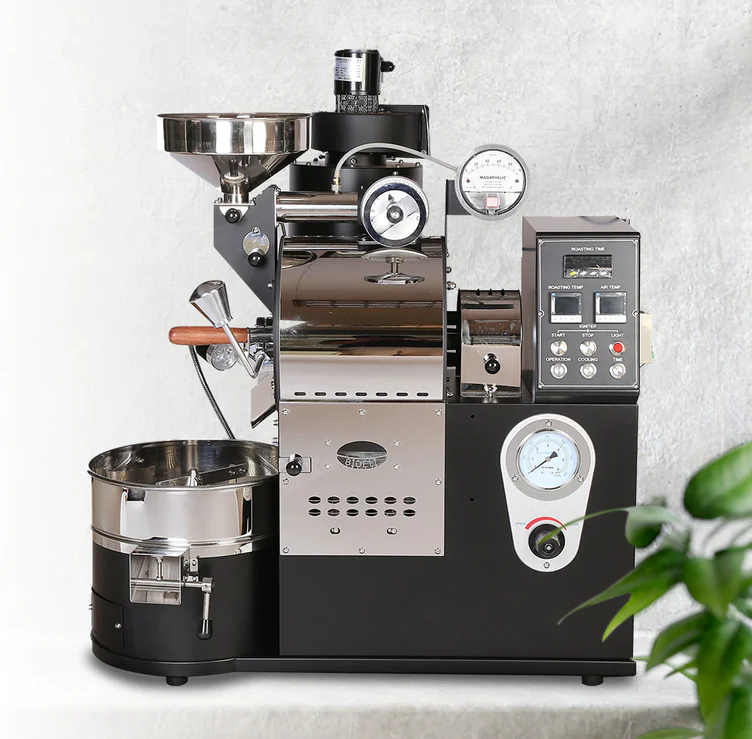
This is your biggest capital decision, and it's hard to undo. For any kind of production operation, commercial drum roasters with at least a 2.2 lb (1 kg) batch capacity are the baseline. A 1 kg drum can realistically produce 15–25 lb of roasted coffee per hour. When wholesale accounts start demanding more volume, you'll want to step up to a 5 kg or 12 kg machine. Budget $4,000–$12,000 for a 1–3 kg production drum, plus $500–$2,000 for installation and ventilation work by a qualified technician.
Starting on a countertop home roaster isn't the worst thing if your batches are tiny. But machines like the Fresh Roast SR800 and Sandbox Smart R1 top out at 226–300 g per batch — they genuinely can't keep up with even a modest weekly production target. Plan your upgrade path before you take your first wholesale order, not after you've already promised delivery.
Supporting gear
- Roasting software: Artisan is free and open-source; Cropster runs on a subscription and is the industry standard for production roasteries. Both connect to your roaster via probe and log rate-of-rise curves so you can repeat a good roast.
- Sample roaster: essential for evaluating new green lots before you commit a full production batch. A 50–100 g sample roaster will save you from expensive mistakes more than once.
- Moisture meter: green coffee ideally sits at 10–12% moisture content. Below that, beans roast faster and unevenly; above 12.5%, you're looking at mold risk during storage.
- Bean probe and color meter: the probe lets you pull and smell beans mid-roast. A color meter — Agtron and Tonino are the common ones — gives you an objective roast-degree reading so your batches stay consistent week to week.
- Precision scale: readable to 0.1 g for charge weight and dose control.
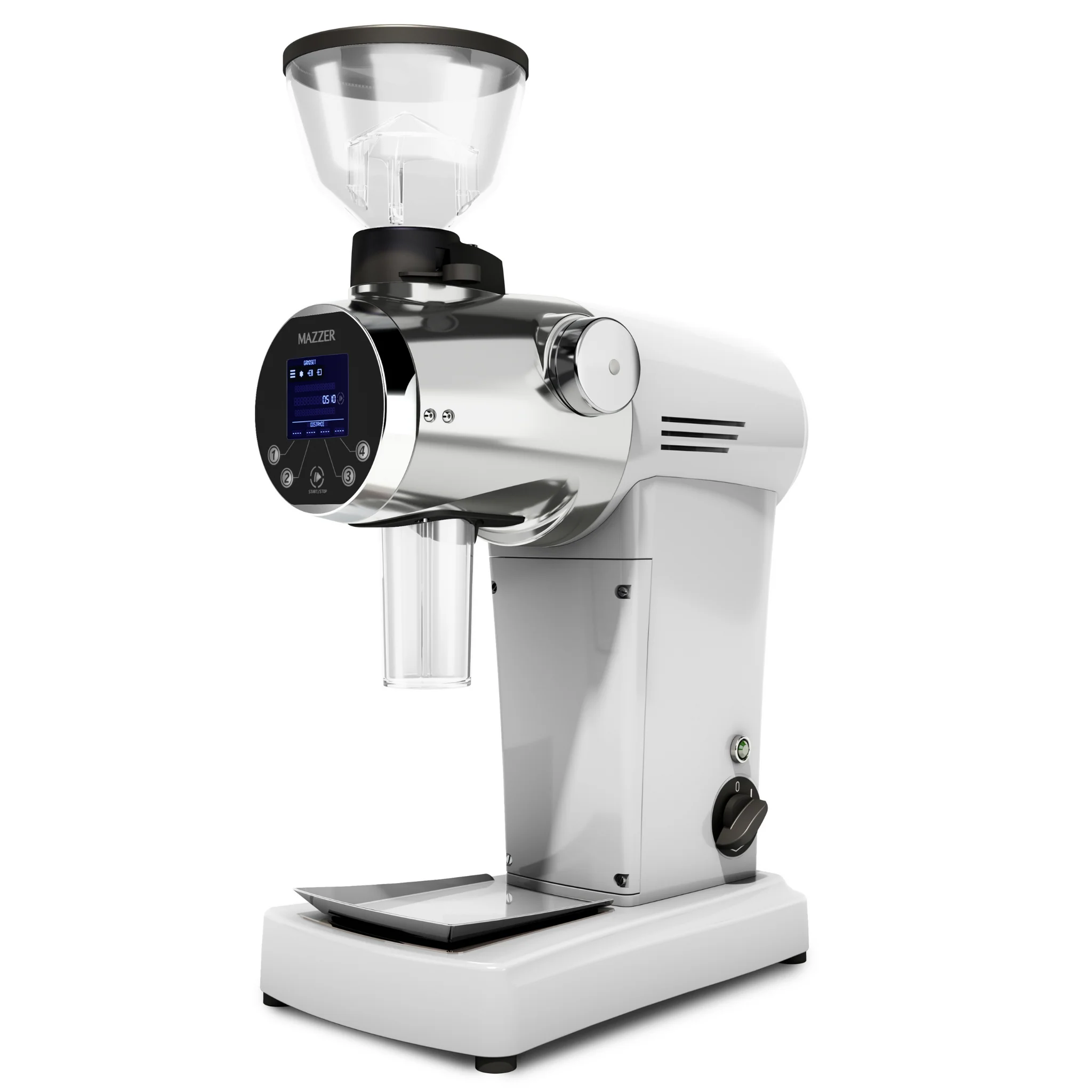
- Coffee grinder and brewer: you need to cup and brew your roasts across multiple methods before you sell them. How a coffee performs on filter is different from how it performs as espresso. CoffeeRoast Co.'s guide to different brewing methods is worth reading alongside the grinding guide if quality control is new territory for you.
Cleaning and safety supplies
Chaff accumulates faster than most new roasters expect. A wire brush and an industrial vacuum after every 5–10 batches keeps your drum and cyclone clear. Roasting coffee produces acrolein and volatile organic compounds (VOCs) at concentrations that can trip air quality sensors — keep a CO detector and a Class K fire extinguisher in the roasting space, and wear dust masks rated N95 or better for daily operation. This stuff isn't optional.
Storage, packaging, and shipping
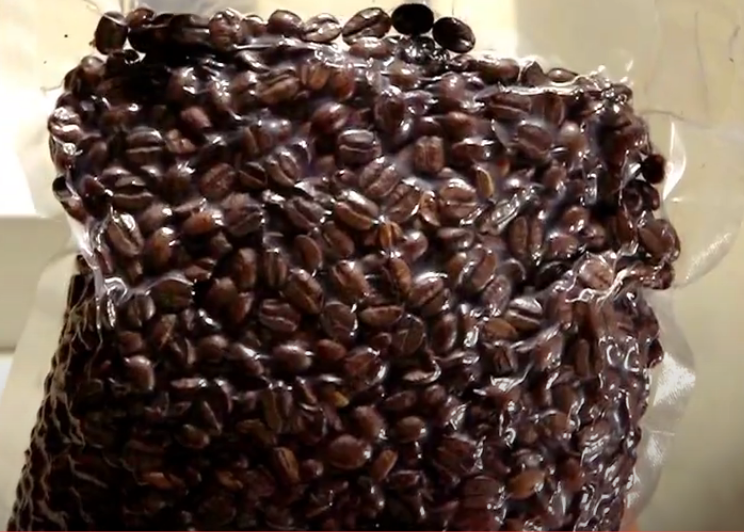
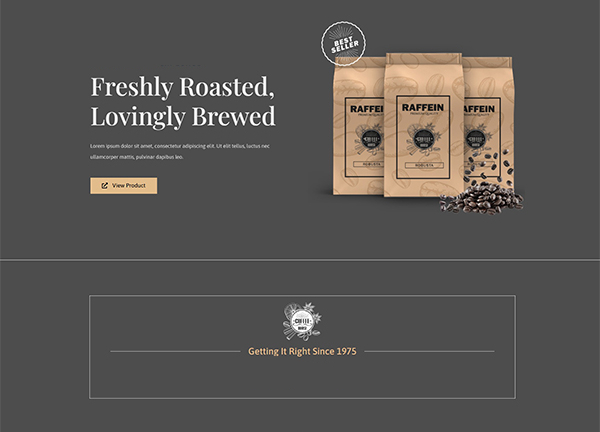
Green coffee stores well in GrainPro-lined burlap sacks or airtight containers kept cool and dark. Roasted beans need one-way valve bags for the first 5–14 days while they're actively degassing, then opaque airtight canisters for longer storage. For outgoing orders, you'll want branded recyclable bags, a heat sealer, protective packaging materials, and a label printer. Branded bags at 500-unit minimums typically run $0.40–$0.90 per bag depending on print complexity — annoying upfront, but a real signal to buyers that you're serious.
Step 4: Where should you set up your roastery?
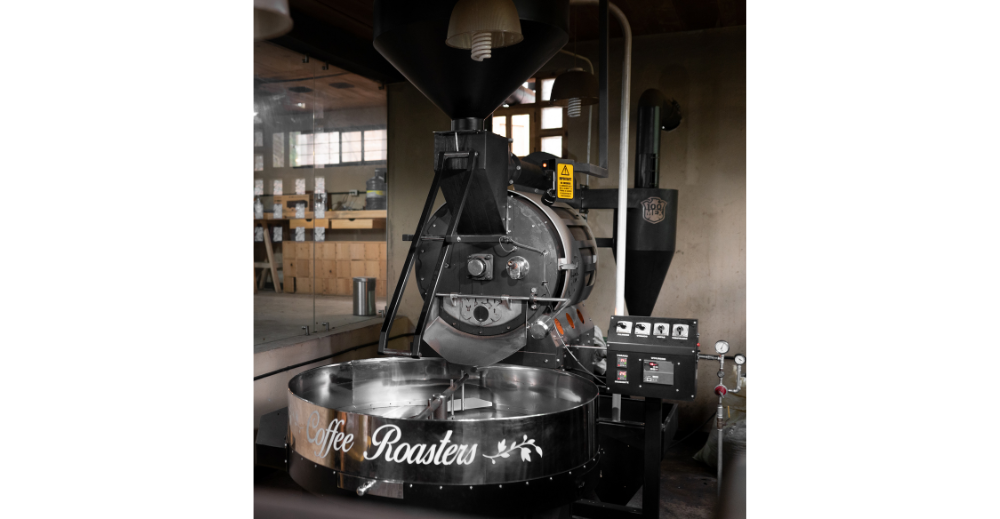
Starting in a garage or basement is genuinely legitimate if your zoning allows it and your utility infrastructure can handle the load. Most commercial drum roasters need a dedicated 220V 40–60A circuit and a Type 1 exhaust hood with make-up air. Call your local building department before you buy the machine, not after — finding out your space can't be permitted is a painful and expensive lesson.
Once you're producing more than roughly 50 lb per week or need to bring on employees, you'll want a commercial space. Light industrial warehouse in most U.S. metros runs $8–$18 per square foot annually. A functional micro-roastery needs at least 500–800 sq ft: enough room for the roaster, a cooling and bagging station, green bean storage, and a quality-control cupping area. Tight but workable.
Step 5: What permits and licenses does a coffee roasting business need?
The paperwork is tedious and completely non-negotiable. Operating without the right permits means fines, forced closure, or both — always at the worst possible moment. Exact requirements vary by state and municipality, so verify with your local, state, and federal authorities. The common ones you'll almost certainly need:
- General business license from your city or county
- Legal entity registration (LLC, corporation, or sole proprietorship) with your state secretary of state
- Federal Employer Identification Number (EIN) from the IRS if you're hiring employees or operating as anything other than a sole proprietor
- Seller's permit to collect and remit sales tax on retail coffee sales
- Resale certificate so you can buy green beans wholesale without paying sales tax on goods you'll resell
- FDA food facility registration under the Food Safety Modernization Act (FSMA), required for most commercial food producers
- EPA Air Quality Permit: required by the EPA for roasters processing more than 1 million pounds of green coffee per year — some states, including California (CARB) and Washington (WA Ecology), have lower thresholds, so check your state's specific rules under 40 CFR Part 63
- Certificate of Occupancy for any commercial space you lease or build out
Business insurance
A Business Owner's Policy (BOP) bundles general liability and commercial property coverage into one package — that's the standard starting point for a small roastery. Add Equipment Breakdown coverage for your roaster specifically; downtime on a $10,000 drum while you're waiting on parts is genuinely painful. If you have employees, Workers' Compensation is required in most states. General liability rates for a small food manufacturer typically run $800–$2,000 per year.
Fair Trade certification
Fair Trade certification tells buyers you're paying a fair price to producers. It costs real money to maintain — annual fees plus a price premium on certified beans, plus supply chain audits. Whether it's worth it depends entirely on your customer. If you're targeting consumers who actively research sourcing provenance, it's a meaningful signal. If you're selling wholesale to buyers focused on price per pound, it may not move the needle.
Step 6: How much does it cost to start a coffee roasting business?
Honestly, the range is wide. A home-based setup with a used roaster and no employees can come together for around $10,000. A commercial space with new production-grade equipment and a small team can run $150,000 or more. For most solo micro-roasters starting from a home or shared commercial kitchen, the $10,000–$50,000 range is realistic.
Here's how the main line items break down:
- Commercial drum roaster (1–3 kg): $4,000–$12,000 new, $2,000–$6,000 used. Add $500–$2,000 for installation. Browse the commercial drum roasters collection for current pricing.
- Green coffee inventory: $1.50–$15/lb depending on quality and origin; plan for $500–$3,000 in initial stock
- Commercial space: $0 if you're working from home, or $12,000–$30,000 annually for light industrial warehouse, plus a security deposit
- Permits and legal entity setup: $500–$3,000 depending on your state and how complex your structure is
- Packaging and shipping supplies: $500–$2,000 for initial stock
- Marketing and branding: $1,000–$5,000 for a professional logo, labels, and a website launch
If you're funding externally, SBA 7(a) loans are the most accessible route for small food businesses with a solid plan and reasonable credit history. SBA microloans — up to $50,000 — are designed specifically for startups and early-stage businesses. Crowdfunding on Kickstarter or Indiegogo has worked well for roasteries with a compelling story and an audience already paying attention.
Step 7: How do you write a business plan for a coffee roasting business?
A business plan isn't a formality. It's the document that forces you to stress-test your assumptions before you spend money on them. If you're applying for an SBA loan or approaching any outside investor, you'll need one. Even if you're self-funding, writing it out is how you find the holes in your plan before they find you.
A working business plan for a roastery covers:
- Executive summary: what the business is, what it sells, who it sells to, and what it needs to get started
- Market analysis: your target customer, your competitive landscape, and the specific gap you're filling
- Products and pricing: your coffee lineup, price per pound at retail and wholesale, and your margin structure
- Operations plan: your roasting setup, production capacity, green bean sourcing, and fulfillment process
- Marketing plan: how you'll acquire your first customers and how you'll keep them
- Financial projections: month-by-month revenue and expense forecasts for at least the first 12 months, with realistic assumptions about volume and pricing
Don't overthink the format. A clear, honest 10-page document beats a polished 40-page one full of optimistic projections that don't hold up to basic math.
Step 8: How do you get your coffee roastery online?
You need an e-commerce-capable website before you launch, not six months after. Most roasteries run on Shopify or WooCommerce — both handle product listings, subscriptions, and shipping integrations well. Your site needs at minimum: a shop page with clear product descriptions and photos, an About page that tells your sourcing story honestly, and a way to capture email addresses from day one.
Your domain name should match your brand name as closely as possible. Set up Google Business Profile immediately so local searches for coffee roasters in your area can find you. If you're doing wholesale, a simple wholesale inquiry form on the site saves you a lot of back-and-forth.
Don't launch with a half-finished site. A clean, functional three-page site is better than a sprawling one with placeholder text and broken links. You can build it out as you grow.
Step 9: How do you market a new coffee roasting business?
Marketing a roastery in the first year is mostly relationship work. Here's what actually moves the needle early on:
Farmers markets and local events. Selling directly at a farmers market gets your coffee into people's hands and lets you have real conversations about what you're doing. The feedback you get in those first few months is worth more than any focus group.
Wholesale outreach to local cafés. Walk in with samples, not a pitch deck. Leave a 250 g bag and a simple one-page spec sheet. Follow up in a week. Cafés that are already buying from a roaster they like won't switch immediately, but they remember who showed up professionally.
Instagram and TikTok. Short videos of the roasting process — the drum spinning, first crack, cooling — perform well even on small accounts because the visuals are genuinely interesting. You don't need a production budget. You need consistency and something real to say.
Email list. Start collecting emails before you launch and send a proper welcome sequence. A monthly email with tasting notes, sourcing updates, and a new coffee announcement keeps your existing customers engaged and buying between orders. Email converts better than social for repeat purchases, full stop.
Local press. A new roastery opening in a neighborhood is genuinely newsworthy to a local food writer. Send a short, specific pitch with samples. Don't ask for coverage; offer them something interesting to write about.
Frequently asked questions
How much money do I need to start a coffee roasting business?
Realistically, $10,000 on the low end for a home-based micro-roastery with a used machine, up to $150,000 or more for a commercial space with new equipment and staff. Most solo operators land somewhere in the $10,000–$50,000 range when starting out.
Do I need a license to roast and sell coffee?
Yes. At minimum you'll need a general business license, a legal entity registration, and a seller's permit. Most commercial roasters also need FDA food facility registration under FSMA. Some states and municipalities have additional air quality permits for roasting operations. Check with your local authorities — requirements vary significantly by location.
How long does it take to learn to roast coffee well enough to sell?
One to two years of consistent hands-on practice is the honest answer. Formal training through the SCA or the Coffee Roasting Institute accelerates the process and gives you a structured framework for diagnosing roast defects. But there's no substitute for roasting a lot of different coffees and cupping them honestly.
What size roaster should I start with?
A 1 kg (2.2 lb) commercial drum roaster is the practical minimum for a production operation — it can output 15–25 lb of roasted coffee per hour. Home machines like the Fresh Roast SR800 top out at 226–300 g per batch, which won't keep up with even modest wholesale demand. Plan your capacity around your first-year volume targets before you buy.
Where do I buy green coffee beans for my roasting business?
Specialty importers and green coffee brokers are the main channel. Bulk specialty green runs $3–$8 per pound from most sources in 2026, with premium micro-lot coffees at $10–$15/lb or more. Aim to lock in two or three suppliers — including at least one backup — before you open. CoffeeRoast Co.'s guide to choosing green beans covers what to look for when evaluating suppliers and lots.
Is Fair Trade certification worth it for a small roastery?
It depends on your customer. Fair Trade certification signals ethical sourcing to buyers who care about it and are willing to pay for it — annual fees, price premiums on certified beans, and supply chain audits are the real costs. If your target market actively researches sourcing, it's worth considering. If you're primarily selling wholesale to price-focused buyers, the return on that investment is less clear.


Brian
June 07, 2024
Thank you for this article. This is exactly what I need to pursue roasting as a potential start up.