


Quick answer: Drinking 3 to 5 eight-ounce cups of coffee per day is linked to lower risk of type 2 diabetes, reduced cardiovascular disease mortality, and slower cognitive decline in large peer-reviewed cohort studies. Caffeine, chlorogenic acids, and polyphenols are the active agents. Risks include anxiety, disrupted sleep, and acid reflux, which affect mainly people who exceed 400 mg of caffeine daily or drink on an empty stomach.
About a billion people drink coffee every day — not because of a wellness trend, just because it's what humans do. And it turns out the science behind it is genuinely solid, much better than most health headlines give it credit for. The team at CoffeeRoast Co. dug into the peer-reviewed literature so you don't have to sort through the clickbait.
- How coffee supports your health
- Mental focus and mood
- Energy and physical performance
- Brain health and neurological protection
- Heart health and liver protection
- Cancer risk and type 2 diabetes
- Antioxidants: the polyphenol story
- COVID research and weight management
- When coffee works against you
- How to get the most out of your cup
- Frequently asked questions
How coffee supports your health
Regular coffee drinkers show lower rates of several major chronic diseases, measurably better cognitive performance, and real cardiovascular protection. These aren't fringe claims from sponsored studies — they come from large cohort studies and meta-analyses with hundreds of thousands of participants.
Coffee contains hundreds of bioactive compounds, but three do the heavy lifting. Caffeine is a central nervous system stimulant. Chlorogenic acids are a family of polyphenols with antioxidant and anti-inflammatory properties. Diterpenes like cafestol and kahweol are worth understanding too — more on those in the risks section. Most of the benefits below trace back to caffeine and the chlorogenic acids working together.
Does coffee actually improve mental focus and mood?
Yes, and the mechanism is straightforward. Caffeine blocks adenosine, the neurotransmitter that makes you feel progressively more tired as the day goes on. Block adenosine and alertness climbs. Even at low doses, that effect on concentration shows up clearly in controlled lab settings. A 2017 study using home-based web cognition tests confirmed the same alertness boost in real-world conditions — not just a lab artifact.
Memory gets a lift too. A 2014 Nature Neuroscience paper found that 200 mg of caffeine taken after a learning task improved memory consolidation over the following 24 hours. That's roughly two standard cups.

The mood connection is more direct than most people expect. Caffeine triggers dopamine and serotonin release. A 2016 meta-analysis of observational studies found that one cup per day correlates with roughly a 10% reduction in depression risk. A separate Harvard cohort study following over 200,000 adults found 45 to 53% lower suicide risk among regular coffee drinkers. These are associations, not proof of causation — but the signal is consistent across different populations and study designs.

Can coffee improve physical performance?
Caffeine is one of the most studied legal performance aids in sports science, and it earns that reputation. It works by raising adrenaline and reducing how hard exercise feels — perceived exertion drops, and you can push longer before hitting your limit. A 2016 study in cyclists found pre-exercise caffeine extended time to exhaustion by 12%. A review of nine endurance trials confirmed that coffee before exercise consistently improved stamina and reduced perceived fatigue.
And the dehydration myth? Settled. A 2014 crossover study found no meaningful difference in hydration markers between people drinking moderate amounts of caffeinated coffee versus plain water. That one's been put to rest for over a decade.
Does coffee protect against Parkinson's and Alzheimer's?
Multiple large studies have found an inverse relationship between regular coffee consumption and the risk of both Parkinson's and Alzheimer's — meaning more coffee correlates with lower risk. With Parkinson's, the protection appears to be caffeine-specific. A 2020 meta-analysis found lower Parkinson's incidence among regular coffee drinkers, and critically, the effect didn't show up in decaf drinkers. The same research noted evidence that caffeine may slow disease progression in people who already have it.
For Alzheimer's and dementia, a 2010 review reported up to 65% reduced Alzheimer's risk among people drinking 3 to 5 cups daily. That figure comes from observational epidemiology, not a randomized trial, so treat it as a signal rather than a guarantee. The leading candidates for the mechanism are the flavonoids and chlorogenic acids in coffee.
What does coffee do for your heart and liver?
Moderate coffee intake comes up consistently positive in cardiovascular research. A 2018 review found a 15% lower rate of cardiovascular disease among moderate drinkers. A meta-analysis of 36 studies found 3 to 5 cups per day reduced heart disease risk by a similar 15%. Stroke risk dropped by 21% in another large cohort analysis. An American Heart Association study found even 1 to 2 cups daily was associated with lower long-term heart failure risk — so you don't need five cups for the benefit to show up.
Liver benefits might actually be coffee's most consistent finding in the literature. A 2021 study found lower liver stiffness scores in coffee drinkers — a marker for early-stage liver fibrosis. Cirrhosis mortality risk was lower by around 66% in habitual drinkers. A 2017 PMC review found 4 cups daily was associated with a 71% reduction in fatal chronic liver disease. A 2005 study on liver cancer found 2 or more cups daily correlated with a 40% lower rate of primary liver cancer. These liver findings hold for both caffeinated and decaf coffee, which points to the polyphenols doing most of the hepatoprotective work.

Does coffee lower cancer risk and protect against type 2 diabetes?
Cancer data is less uniform than the liver findings, but still meaningful. Men drinking roughly 4 cups daily showed a 20% reduced prostate cancer risk in one cohort study. Women showed a 25% lower endometrial cancer risk in a 2022 meta-analysis. Emerging patterns in basal cell carcinoma and colorectal cancer look promising too, though the sample sizes are smaller and the mechanisms aren't fully worked out. The working hypotheses: coffee speeds gut transit, potentially reducing how long carcinogens stay in contact with the colon wall, and its anti-inflammatory polyphenols may disrupt tumor-promoting pathways.
For type 2 diabetes, the evidence is strong — and it applies to both caffeinated and decaf, which again implicates the polyphenols. A Harvard study tracking nearly 124,000 participants over 16 to 20 years found that people who increased their intake by more than one cup per day over a four-year period had an 11% lower diabetes risk. Coffee's antioxidants appear to reduce oxidative stress and systemic inflammation, both of which drive insulin resistance.
The antioxidant case for coffee
For most adults on a Western diet, coffee is the single largest source of dietary polyphenols — ahead of tea, ahead of many fruits. Chlorogenic acids are the dominant class. They neutralize free radicals, reduce low-grade inflammation, and appear to modulate glucose metabolism in ways that likely explain the diabetes protection above.
Here's the thing if you roast your own: lighter roasts from organic beans carry the highest polyphenol concentrations. Chlorogenic acids degrade progressively as you push toward darker roast profiles. If you're roasting for health as much as flavor, that's a reason to pull beans a touch lighter than you might for espresso. CoffeeRoast Co. carries a range of single-origin greens that work well at City and City+ roast levels if you want maximum polyphenol retention.
There's also a 2020 study showing coffee extends yeast chronological lifespan through antioxidant mechanisms. That's a yeast model, not a human trial, so translate it carefully. But the underlying antioxidant activity it's measuring is real and well-documented in human research.
What about COVID-19 and weight management?
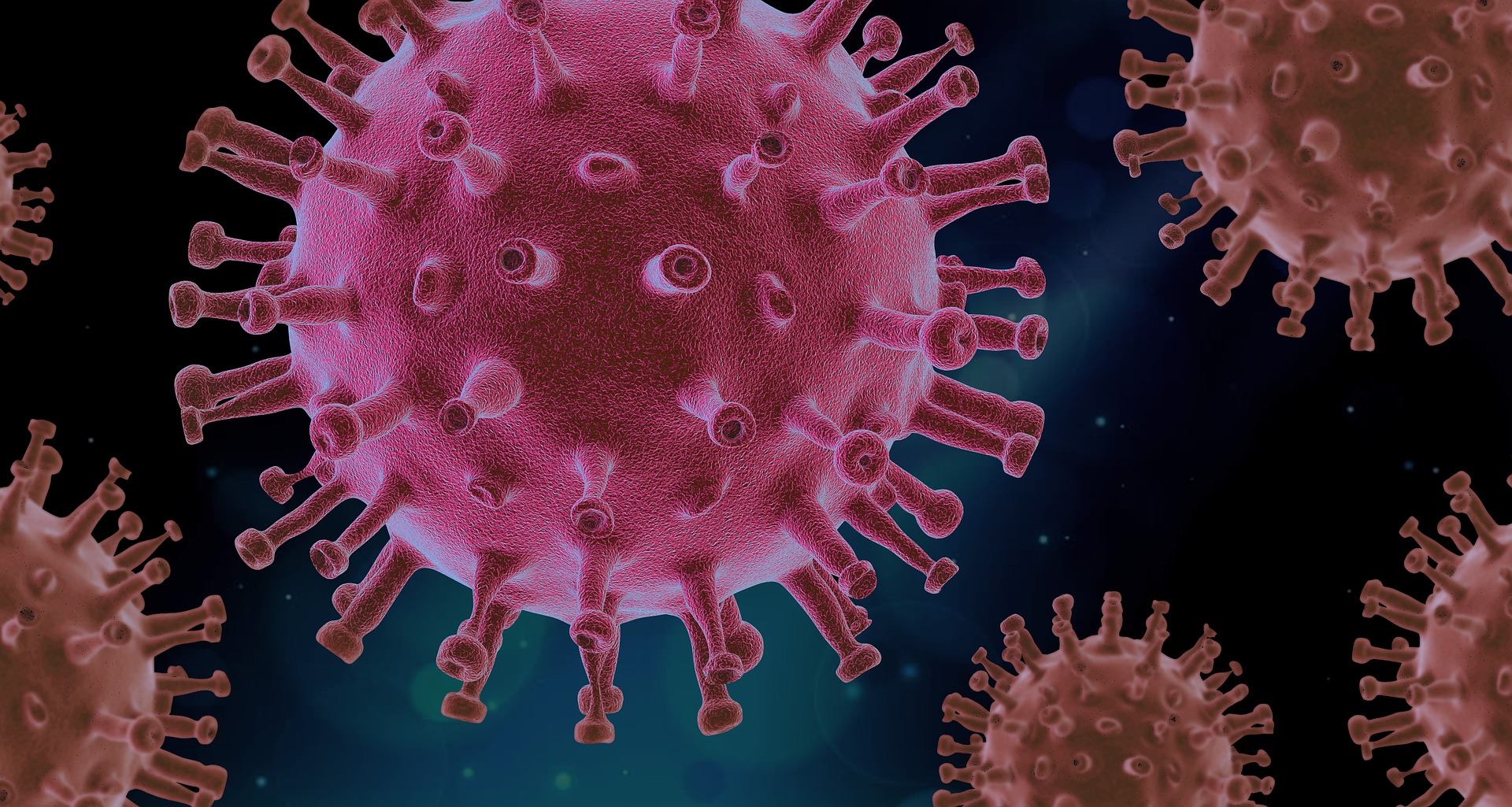
There's early lab-stage research suggesting the chlorogenic acid in coffee — specifically 5-caffeoylquinic acid — can block the SARS-CoV-2 spike protein from binding to the ACE2 receptor. The 2022 Royal Society of Chemistry paper found that a 200 ml cup of filter coffee contains roughly 100 mg of chlorogenic acid, which was sufficient to inhibit viral binding in vitro. This is in vitro research, not a human clinical trial. The mechanism is interesting; it's not prevention evidence.
On weight management: caffeine increases fat oxidation rates, and potassium and magnesium in coffee may modestly influence insulin sensitivity and hunger signals. A 2019 meta-analysis of 12 studies found higher coffee intake was associated with lower body mass, particularly in men. A 2020 study using DXA body composition scans found the same pattern in women. Black coffee doesn't replace a caloric deficit — but it doesn't work against one either.
When does coffee work against you?
The same properties that make coffee useful can backfire in specific circumstances. None of these are reasons to quit — they're reasons to drink deliberately.
Acid reflux and gut irritation
Coffee's natural acids can trigger acid reflux, ranging from occasional heartburn to full gastroesophageal reflux disease. A 2022 narrative review confirmed the association, especially in people with existing IBS. Drinking coffee with food rather than on an empty stomach substantially reduces the effect. If you're sensitive, dark roast cold brew made from Arabica beans is your lowest-acidity option — the longer brew time and lower extraction temperature both pull less acid from the grounds.
Anxiety and the jitters
Past a certain threshold, caffeine stops being helpful and starts being a problem. Heart palpitations and elevated anxiety are the most common signs you've had too much. For people already prone to panic attacks or social anxiety disorder, research published in 2010 links caffeine intake to worsening symptoms. One cup or fewer per day, consumed earlier in the morning, is the practical ceiling if you're anxiety-sensitive.
Sleep disruption
Caffeine has a half-life of roughly five to six hours in most adults. A 2013 sleep study found that caffeine consumed even six hours before bedtime measurably reduced sleep quality. Nothing caffeinated after noon is the conservative rule if you're sleeping poorly. It's not about cutting coffee — it's about front-loading it earlier in the day.
Pesticide residues and mycotoxins
Most conventionally grown coffee is treated with pesticides, and a 2022 Frontiers in Public Health review documents how those residues travel from field to cup. Beans can also develop mold during storage and fermentation, leading to mycotoxin buildup. Decaf carries higher mycotoxin risk because the caffeine removed during processing serves as a natural fungicide. Choosing organically grown green beans is the most direct way to reduce both concerns.
How to get the most from your coffee
A few practical adjustments can shift coffee from generally beneficial to specifically useful for your situation.
Use a paper filter
Filtered brewing — whether Aeropress, pour-over, or drip — removes most of the cafestol and kahweol, the diterpenes that raise LDL cholesterol. Unfiltered methods like French press and boiled coffee leave them in the cup. If you have elevated cholesterol, this one change matters more than anything else on this list. The polyphenols pass through paper filters just fine, so you keep the benefits while removing the LDL risk.
Time it right
Cortisol peaks naturally in the first hour after you wake up. Drinking coffee during that window blunts caffeine's alertness effect and builds tolerance faster. Waiting 60 to 90 minutes after waking — and stopping by early afternoon — tends to give you better focus and cleaner sleep. Try it for a week before dismissing it.
Keep it black, or close to it
The research showing metabolic and cardiovascular benefits is largely based on black coffee. Heavy cream and sugar don't neutralize those benefits outright, but they add caloric load and can counteract the modest insulin-sensitivity effects. Black is best. A splash of milk is fine. Four pumps of vanilla syrup is a different drink entirely.
Go organic when you can
Organic certification reduces pesticide residue exposure and tends to correlate with better green-bean storage practices, which means lower mycotoxin risk. It also correlates with higher-quality growing conditions, which means more polyphenols in the bean to begin with. Not a magic upgrade, but a consistent one.
Don't exceed 400 mg of caffeine daily
That's roughly 4 cups of standard drip coffee. Past that threshold, the anxiety, sleep disruption, and cardiovascular strain risks start outweighing the benefits for most people. Some individuals metabolize caffeine faster and tolerate more; some metabolize it slowly and feel it hard at half that dose. Pay attention to your own response rather than chasing a number.
Frequently asked questions
Is coffee actually good for you, or is this just wishful thinking?
The research is genuinely solid. Large meta-analyses with hundreds of thousands of participants consistently find that moderate coffee consumption — around 3 to 5 cups per day — is associated with lower risk of type 2 diabetes, cardiovascular disease, liver disease, and neurodegenerative conditions. These aren't small effects in obscure journals. That said, most of the evidence is observational, so "associated with" is the honest framing rather than "proven to cause."
How many cups per day is actually beneficial?
Most of the strongest findings cluster around 3 to 5 eight-ounce cups daily. Some benefits, like reduced heart failure risk, show up at just 1 to 2 cups. The upper end of the safe range for most healthy adults is around 400 mg of caffeine daily, which works out to roughly 4 standard cups. More than that and the risk-benefit math starts shifting.
Does decaf coffee have the same health benefits?
For some benefits, yes. The liver protection and type 2 diabetes risk reduction appear in decaf drinkers too, which points to the polyphenols and chlorogenic acids rather than caffeine as the active agents. For neurological benefits like Parkinson's protection, the effect seems to require caffeine and doesn't replicate in decaf. Decaf also carries slightly higher mycotoxin risk because the caffeine removed during processing is a natural antifungal.
Can coffee help with weight loss?
Modestly and indirectly. Caffeine increases fat oxidation rates, and coffee's potassium and magnesium content may influence insulin sensitivity and hunger signals to a small degree. A 2019 meta-analysis of 12 studies found higher coffee intake associated with lower body mass, and a 2020 DXA-scan study found the same pattern in women. Black coffee doesn't replace a caloric deficit — it just doesn't work against one.
Is coffee bad for your heart?
For most people, no. A meta-analysis of 36 studies found 3 to 5 cups daily reduced heart disease risk by 15%. An American Heart Association study found even 1 to 2 cups daily was associated with lower long-term heart failure risk. Stroke risk dropped by 21% in a large cohort analysis. The caveat: unfiltered coffee raises LDL cholesterol through diterpenes like cafestol and kahweol. Switch to a paper filter if that concerns you.
Does coffee cause anxiety?
It can, depending on how much you drink and how sensitive you are to caffeine. Research published in 2010 links caffeine intake to worsening anxiety symptoms in people with panic disorder or social anxiety disorder. For most people, staying under 400 mg per day and avoiding coffee on an empty stomach keeps this in check. If you're already prone to anxiety, keep it to one cup earlier in the day and see how that feels before pushing higher.
What's the best brewing method for health benefits?
Paper-filtered methods — including pour-over, Aeropress, and drip — give you the full polyphenol benefit while removing most of the LDL-raising diterpenes. Cold brew made from Arabica beans at a dark roast is the lowest-acidity option if reflux is your concern. If you're optimizing for polyphenol content specifically, lighter roasts preserve more chlorogenic acids than darker ones.
Does coffee affect sleep?
Yes, measurably. A 2013 sleep study found that caffeine consumed six hours before bed still reduced sleep quality in a meaningful way. Caffeine's half-life is roughly five to six hours in most adults, so a 3 p.m. cup still has significant activity in your system at 9 p.m. If sleep quality matters to you, nothing caffeinated after noon is a reasonable rule to try.
Key takeaways:
- Drinking 3 to 5 cups daily is associated with lower risk of type 2 diabetes, cardiovascular disease, liver disease, and neurodegenerative conditions in large peer-reviewed studies.
- Chlorogenic acids and polyphenols drive many of the most consistent benefits, including liver protection and diabetes risk reduction, independent of caffeine.
- Paper-filtered brewing removes LDL-raising diterpenes (cafestol and kahweol) while keeping polyphenols intact, making it the single most impactful method change for most people.
- Stop caffeine by early afternoon. A 2013 sleep study found measurable sleep quality reduction from caffeine consumed six hours before bedtime.
- Stay under 400 mg of caffeine daily, roughly 4 standard drip cups, to keep the risk-benefit math in your favor.
Disclaimer: This article is for informational purposes only and does not constitute medical advice. Coffee's health effects vary by individual. Consult a qualified healthcare provider before making changes to your diet or caffeine intake based on any information presented here. CoffeeRoast Co. makes no claim that coffee consumption will prevent, treat, or cure any medical condition. Last verified against cited peer-reviewed sources on May 2026.


Leave a comment