



Quick answer: Blonde espresso is a light-roast coffee pulled as espresso shots. Because shorter roasting time preserves more of the bean's natural sugars, it tastes sweeter and brighter than a standard dark-roast espresso shot, with citrus and caramel notes instead of smoke and bitter chocolate. Caffeine runs slightly higher per shot than a standard espresso.
Most people assume lighter roast means weaker coffee. That's backwards. A blonde roast bean actually retains more caffeine than a dark-roasted one because the extended heat of a dark roast drives off a small percentage of caffeine over time. What the lighter roast loses is bitterness. What it gains is a flavor profile that surprises a lot of dark-roast loyalists the first time they try it.

What is blonde espresso?
Blonde espresso is espresso made from light-roast beans, pulled under the same 9-bar pressure as any other espresso shot. Starbucks popularized the term when it launched its Blonde Espresso Roast in January 2018 as a lighter alternative to its Signature Espresso blend. Independent roasteries had been working in this space for years before that, but Starbucks' rollout brought the concept into the mainstream conversation.
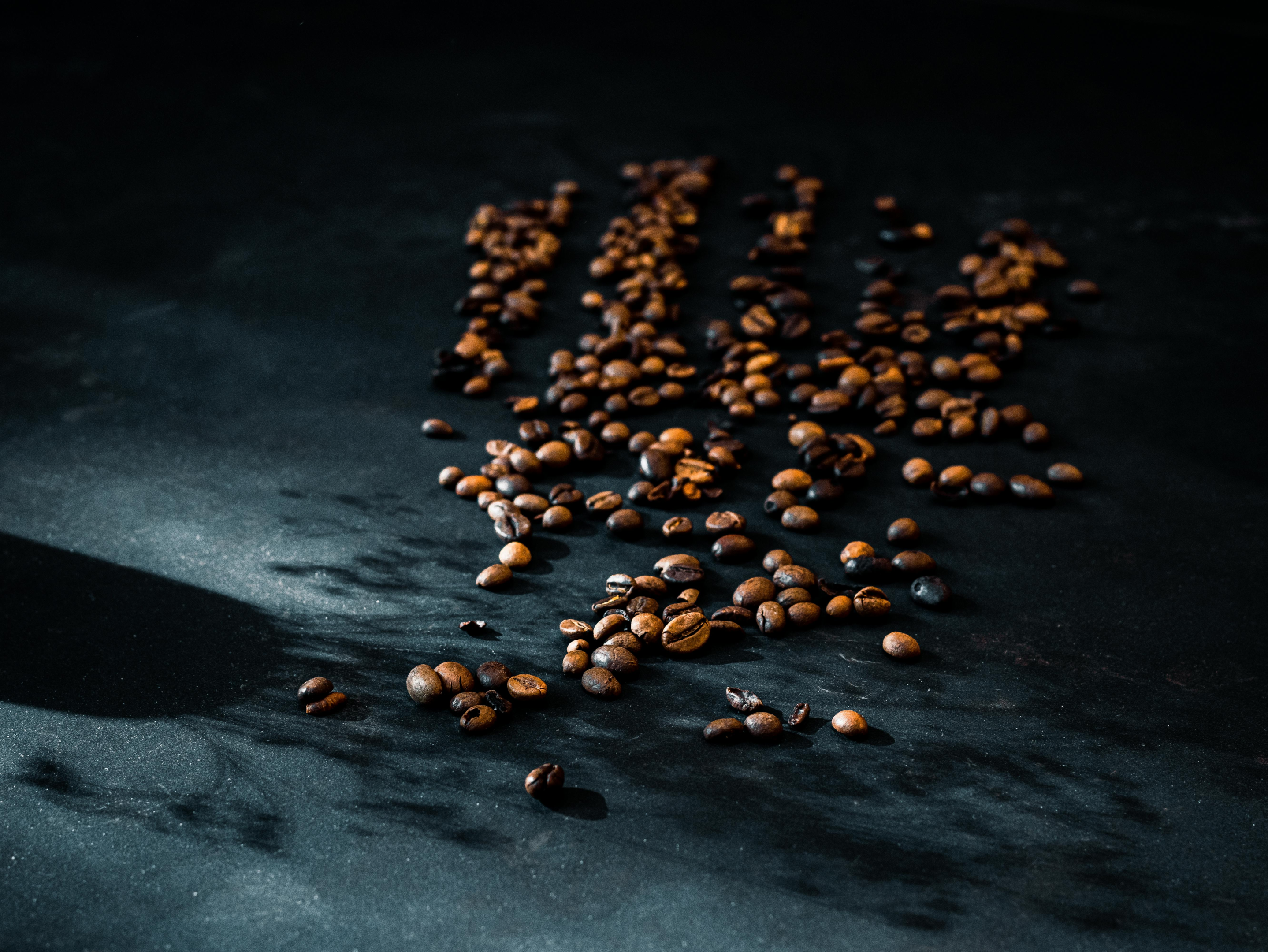
The roasting process for blonde beans stops earlier in the curve, at roughly a light-to-medium roast level (around City to City+ on the Agtron scale). The bean keeps more of its natural moisture, more of its original sugars, and a brighter acid profile. You get chocolate and caramel notes, a hint of citrus, some floral character, and a clean, sweet finish — none of the ash or heavy smoke you'd find in a dark-roast shot.
How does blonde espresso differ from regular espresso?
Regular dark-roast espresso runs full-bodied, bitter, and oily. That crema is thick and dark, the finish lingers with chocolate and roasted grain, and it pairs well with milk precisely because the bitterness balances sweetness. Most classic Italian espresso blends target a Full City or darker roast (Agtron 40-55 range) for exactly this profile.
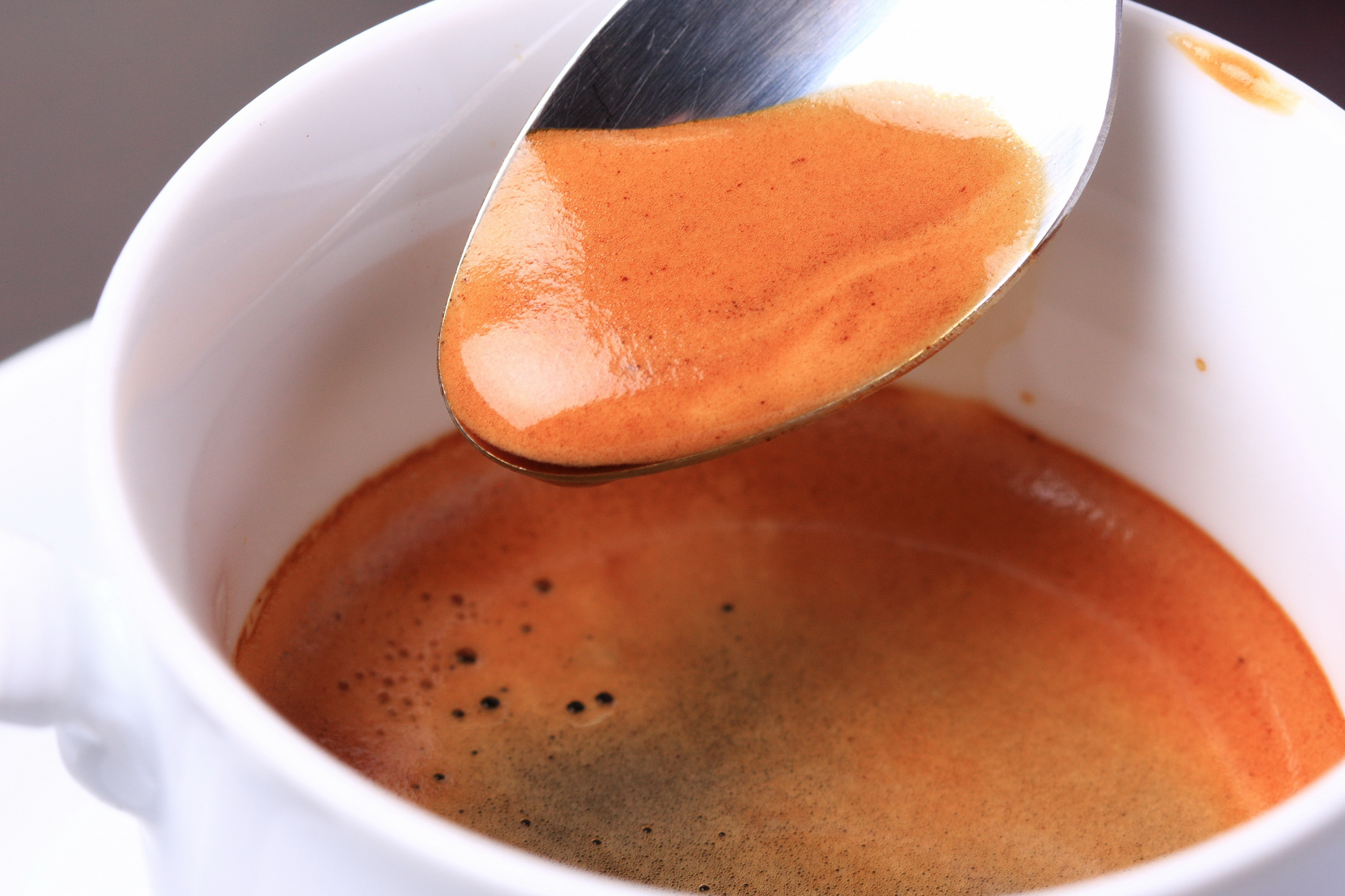
Blonde espresso is the same brewing method, different raw material. You're still pushing near-boiling water through finely ground coffee at 9 bar of pressure. But the lighter roast produces a thinner, more golden crema, a shorter finish, and a flavor that reads more like tea or juice than dark chocolate. People who find regular espresso too sharp or too bitter tend to get on with blonde espresso on the first try.
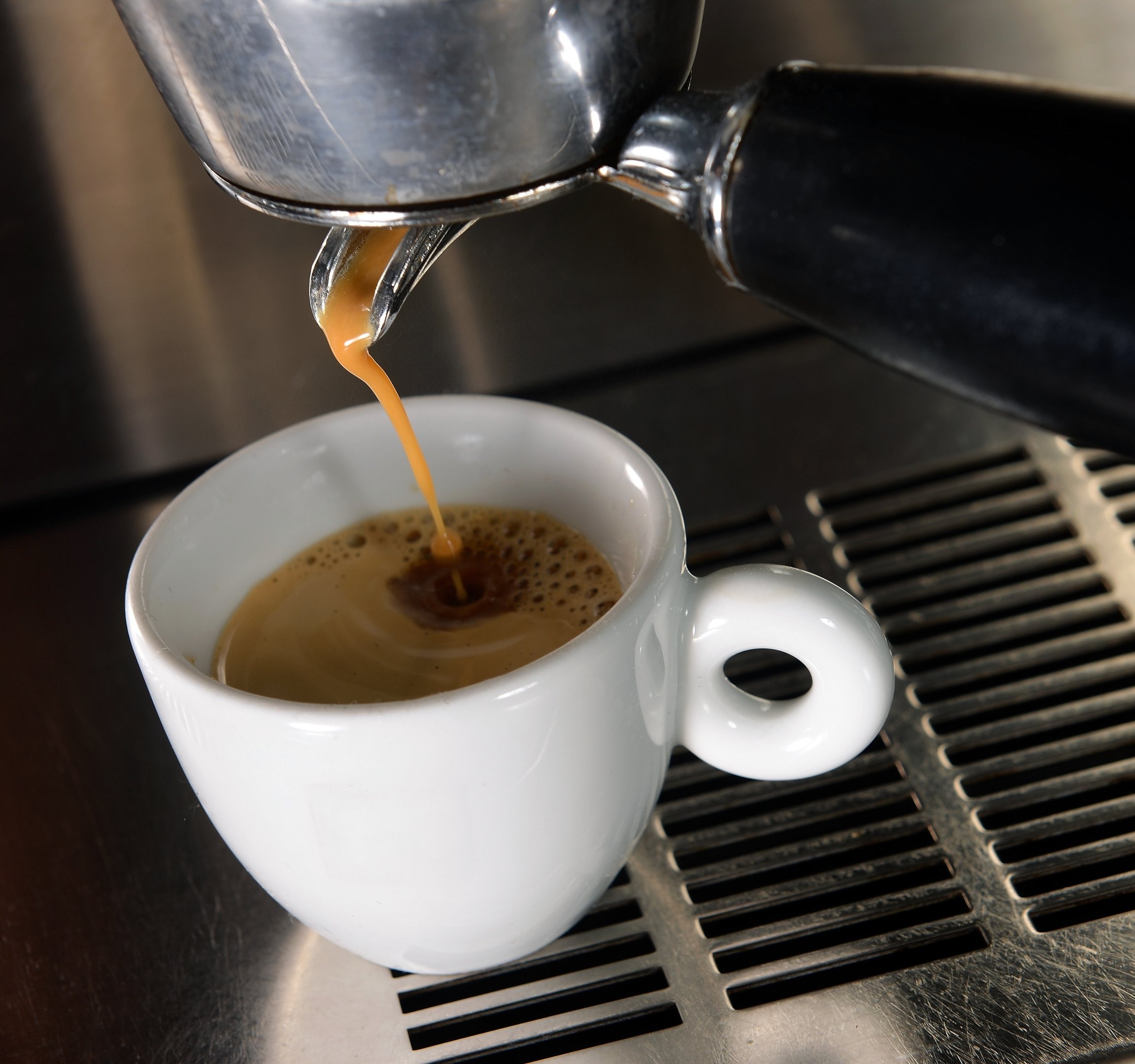
The key technical difference is in the bean's solubility. Light-roast beans are denser than dark-roast beans, which means they require a finer grind and often a slightly higher water temperature (94-96°C vs 91-93°C for dark roasts) to extract evenly. If you're dialing in a blonde shot on a home machine, check out our guide to coffee brewing methods and our coffee flavors deep dive for context on how roast level shifts the cup.
Does blonde espresso have more caffeine than regular espresso?
Yes, slightly. A single shot of Starbucks Blonde Espresso contains approximately 85 mg of caffeine compared to around 75 mg in its Signature Espresso. That's about a 13% difference per shot.
The reason is roast chemistry, not myth. Caffeine is relatively heat-stable, but extended time at high roasting temperatures does degrade a small amount — light-roast beans lose less. More practically, light-roast beans are denser and weigh more per unit volume, so if you're dosing by volume rather than weight, you're actually putting more coffee in the basket and getting more caffeine out. That's why weighing your dose (18-20g for a double) matters more than trying to estimate which roast is "stronger."
What are the best drinks to make with blonde espresso?
Blonde espresso works in any drink that calls for espresso shots. The lighter, brighter profile actually makes it more versatile in some ways, because the citrus and floral notes don't fight as hard with milk sweetness or fruit syrups. A few combinations worth knowing:
- Straight shots (single or double) to taste the base flavor before adding anything to it
- Americano with hot water, which opens up the citrus notes without diluting them into nothing
- Macchiato with a small amount of steamed milk, which lets the shot flavor through rather than burying it
- Latte or cappuccino, where the sweet blonde base works well with well-textured microfoam (don't over-pour the milk)
Iced drinks suit blonde espresso particularly well. The floral and citrus notes hold up over ice better than heavy roasted flavors, which can taste flat when chilled. A simple iced blonde latte with vanilla syrup is the gateway drink for most people who've never tried light-roast espresso before.
Blonde vs dark roast: what does the US actually drink?
Espresso-based drinks are the most popular coffee category in the US, with data from Coffeeness showing espresso ranking first in 28 states. Café au lait ranks second across 14 states, and cappuccino third in 11 states. Alabama, Nebraska, and North Dakota lean toward cappuccinos, as does Connecticut. Louisiana has a specific café au lait tradition rooted in New Orleans coffee culture. Georgia tends to favor black coffee.
None of that data breaks out blonde vs dark roast preferences specifically, but anecdotally, the iced-coffee-forward markets (California, Pacific Northwest, New York) have adopted light-roast espresso at higher rates than the traditional dark-roast belt in the South and Midwest. This tracks with specialty coffee shop density, not climate.
How do you make blonde espresso at home?
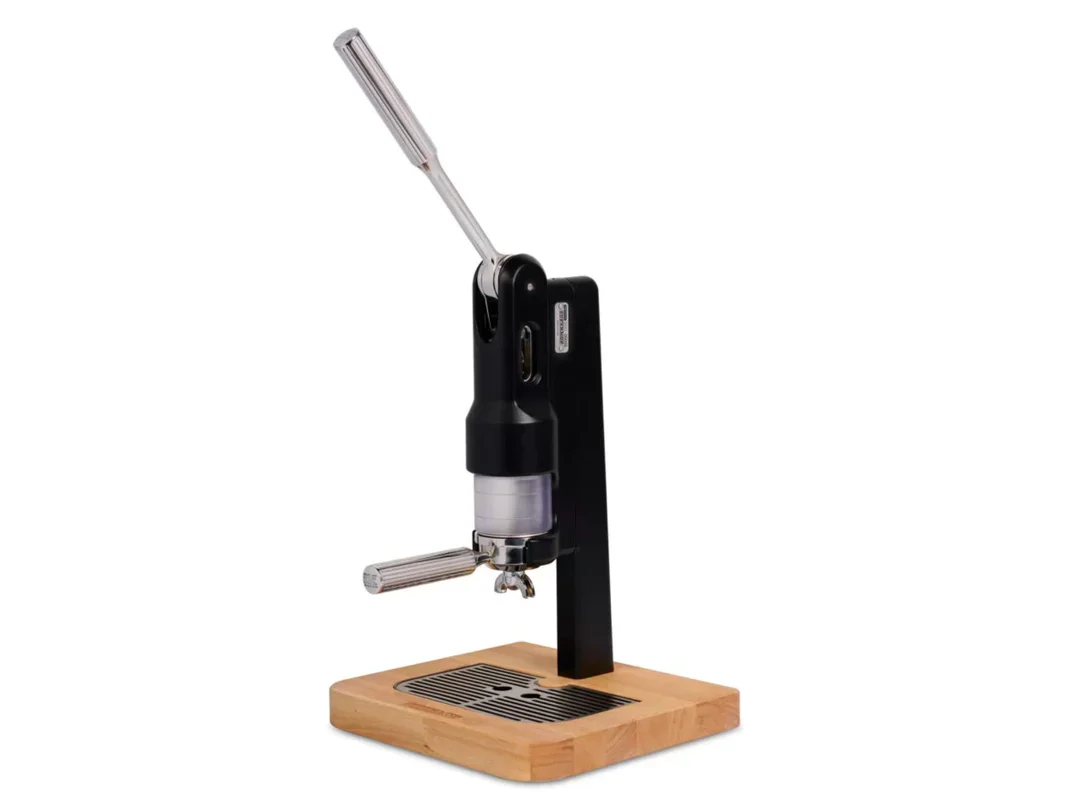
You need an espresso machine that can hit and hold 9 bar of pressure and a grinder capable of reaching espresso fineness. A manual lever machine like the Superkop works well here because you control pressure directly, which matters when dialing in a denser light-roast bean. Electric pump machines are fine too, but you'll want a PID-equipped model that lets you bump water temperature up to 94-96°C for light roasts. Most machines default to 92-93°C, which slightly under-extracts blonde espresso and leaves the shot tasting sour.
No espresso machine? You can brew light-roast beans as a strong pour-over or French press and get some of the same flavor character, but you won't replicate the concentrated texture of an espresso shot. Browse the full espresso machine range at CoffeeRoast Co. if you're ready to make the jump.
Two iced blonde espresso recipes to try at home
These are fast and cheap compared to the coffee shop versions. For more options, the espresso drinks recipe guide has five variations worth working through.
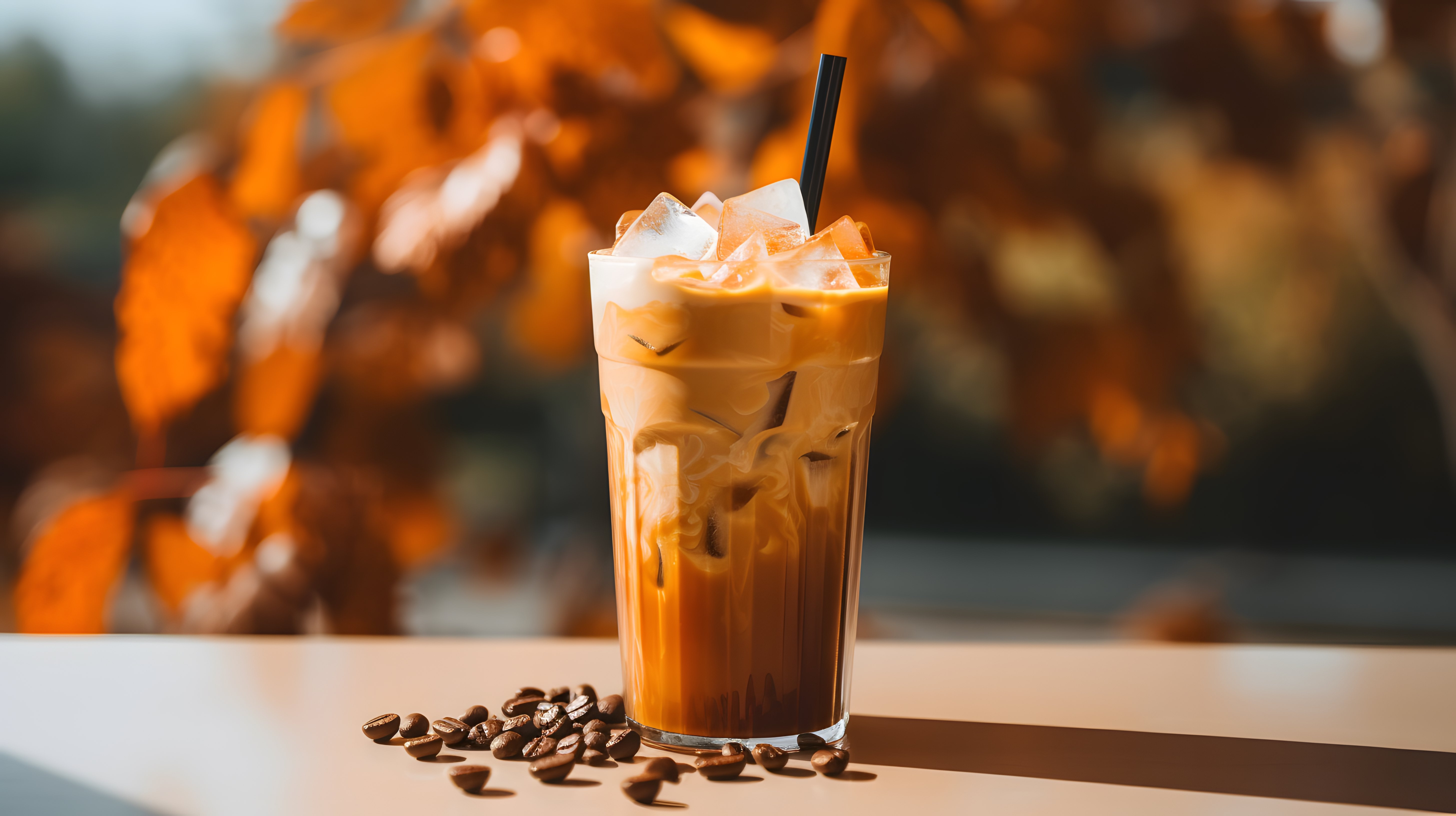
Iced Blonde Vanilla Latte
Ingredients
- 2 light-roast espresso shots (about 2 oz total)
- ¼ cup vanilla syrup
- ⅔ cup 2% milk (or oat milk)
- 1 cup ice
Instructions
Fill a glass with ice. Pull two blonde espresso shots and let them cool for 60 seconds. Pour the vanilla syrup over the ice, add the milk, then pour the espresso shots over the top. Stir once and drink immediately.
Hazelnut Shaken Espresso
Ingredients
- 2 shots blonde espresso (about 2 oz)
- 2 oz hazelnut syrup
- 1 cup ice
- 2 oz oat milk for foam (optional)
Instructions
Pull two espresso shots and let them cool for a minute. Add hazelnut syrup to a mason jar or cocktail shaker, then add the espresso and a handful of ice. Seal and shake vigorously for 20-30 seconds until a light froth forms on top. Strain into a glass over fresh ice. Top with foamed oat milk if you want it.
Frequently Asked Questions
Is blonde espresso the same as light roast espresso?
Effectively yes. "Blonde espresso" is Starbucks' trademarked name for its light-roast espresso offering. Other roasters sell the same concept under names like "light roast espresso," "Nordic roast," or just by the origin (e.g., "Ethiopian Yirgacheffe espresso"). The underlying principle is the same: a lighter-roasted bean pulled as espresso.
Does blonde espresso taste sour?
A well-pulled blonde espresso should taste bright and sweet, not sour. Sourness means under-extraction, which is common with light roasts because the denser bean resists water penetration. If your blonde shot tastes sour, try a finer grind, a higher water temperature (94-96°C), or a longer pre-infusion at low pressure before full 9-bar extraction. These adjustments fix the vast majority of sour light-roast shots.
Can you use blonde espresso in a latte?
Yes, and it works especially well. The lighter flavor profile pairs cleanly with steamed milk without getting lost the way some very delicate light roasts do. A blonde latte tastes notably sweeter and smoother than a dark-roast latte made with the same milk. If you want the espresso flavor to show through, keep the milk ratio to 1:3 (1 part espresso to 3 parts milk) rather than the looser 1:5 or 1:6 ratios some latte recipes use.
What beans should I buy to make blonde espresso at home?
Look for single-origin light roasts from washed Ethiopian or Colombian origins. Washed Ethiopian beans (Yirgacheffe, Guji, Sidama) carry the clearest floral and citrus notes that make blonde espresso distinctive. Colombian washed beans tend toward caramel and red fruit, which is also excellent as a blonde espresso but with a slightly heavier body. Avoid anything labeled "espresso roast" unless you want a medium or dark bean, which is what most "espresso roast" labels indicate despite the name.
Is blonde espresso good for cold brew?
Light-roast beans make excellent cold brew, but the result is different from cold-brew made with dark roasts. You get a juice-like, sweet, almost wine-adjacent flavor rather than the chocolate-forward profile most people associate with cold brew. It's genuinely good, just unexpected if you're used to standard cold brew. Use a coarser grind and a 12-16 hour steep in cold water at a 1:8 coffee-to-water ratio.
How does blonde espresso compare to regular espresso for milk drinks?
Blonde espresso holds up well in milk drinks up to about a 6-ounce latte. Beyond that, the lighter flavor can get swallowed by the milk. Dark-roast espresso punches through larger milk volumes better, which is why Italian-style lattes and 16-oz coffee-shop drinks typically use darker blends. For macchiatos, cortados, and smaller cappuccinos (5-6 oz), blonde espresso is excellent.
Key takeaways:
- Blonde espresso is light-roast coffee pulled as espresso shots. The shorter roast preserves more natural sugar and caffeine, producing a sweeter, brighter flavor than dark-roast espresso.
- Caffeine runs slightly higher per shot than standard dark-roast espresso (approximately 85 mg vs 75 mg per Starbucks' figures), not lower as most people assume.
- Light-roast beans are denser than dark-roast beans and extract best at 94-96°C and espresso-fine grind settings, not the 92°C default most machines ship with.
- Iced drinks and smaller milk-based drinks (macchiato, cortado, 5-6 oz cappuccino) suit blonde espresso best. Larger lattes over 8 oz can dilute the lighter flavor profile.
- At home, a lever-controlled manual machine or a PID-equipped pump machine that can reach 94-96°C gives you the temperature control you need to pull a clean blonde shot.
Article reviewed by the CoffeeRoast Co. Editorial Team. Caffeine figures cited from Starbucks nutritional data and are subject to change. Roast chemistry references draw on Scott Rao's The Coffee Roaster's Companion (2014) and general SCA cupping standards.


Jeanine
September 04, 2025
When I drink pike coffee my heart starts to beats fast but when I drink the blonde coffee I don’t have any problems.
I went to a Starbucks and told them I wanted a blonde coffee but they gave me a pike coffee I had a problem so I told the person just pore some out and put hot water in it.
It helped a little bit.