



Quick answer: Green coffee beans are unroasted seeds from the coffee cherry, higher in chlorogenic acid than roasted beans. To roast them at home, use a fluid-bed or drum roaster and apply heat until you hear first crack (roughly 196 C / 385 F). Rest the beans 12 to 24 hours before grinding and brewing with your preferred method.
Most people first run into green coffee beans as a supplement or something gathering dust in the back corner of a health food store. That's a shame, because it completely misses the point. Every bag of roasted coffee you've ever bought started here — pale, dense, faintly waxy, smelling nothing like what ends up in your cup. Once you understand what these beans are and what you can do with them at home, you get a level of control over your coffee that no pre-roasted bag can touch.
What are green coffee beans?
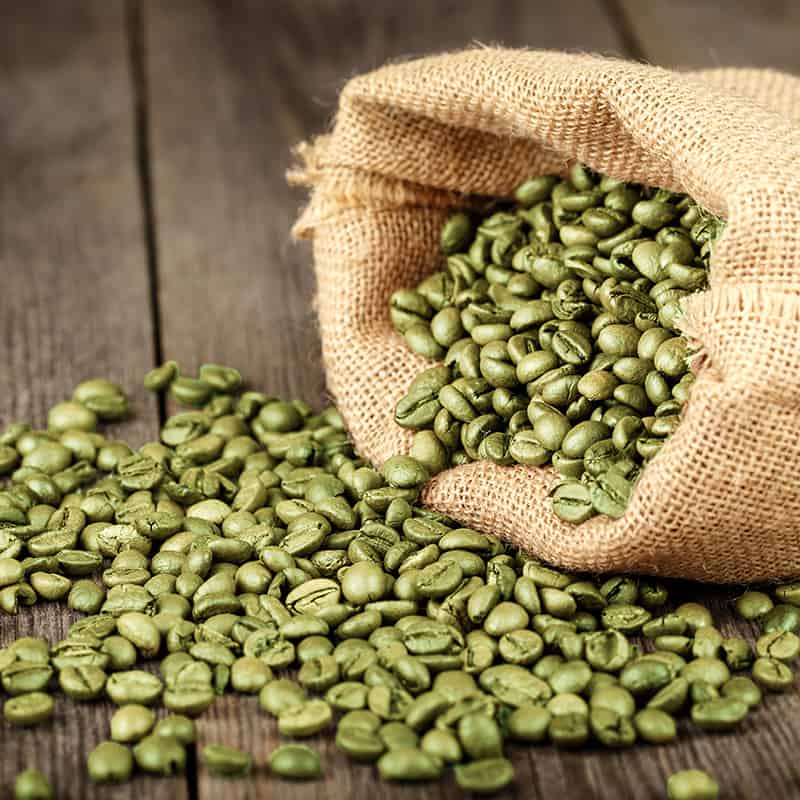
Simple version: a green coffee bean is the seed inside a coffee cherry, dried and milled but never roasted. That's it. The Ethiopian or Colombian beans you grind every morning looked exactly like this before someone put them in a roaster — pale green, slightly waxy, with a grassy, almost vegetal smell that has nothing in common with what you expect coffee to smell like.
Roasting is what creates everything we recognize as coffee flavor. The Maillard reaction and caramelization that happen under heat build the toasted, fruity, chocolatey, or floral notes that make one origin taste different from another. Brew a green bean without roasting it and you get something closer to green tea crossed with grain — light, herbal, a little bitter in a different way. Some people genuinely like it cold-steeped. Most find it interesting exactly once. Either way, it's worth trying, because a single sip shows you what roasting actually does.
The chemistry that sets green beans apart from roasted ones comes down to chlorogenic acid. This polyphenol degrades significantly during roasting, which is why green coffee supplements and extracts have attracted research attention around blood sugar and blood pressure. The flavor trade-off is real, and so is the chemistry behind it.
Do green coffee beans have health benefits?
The chlorogenic acid in green coffee is genuinely interesting to researchers. Here's where the evidence actually holds up and where it gets shakier.
On blood sugar: a 2011 meta-analysis in the Journal of Agricultural and Food Chemistry found chlorogenic acid reduced post-meal blood glucose spikes in short-term trials. The effect looks real but modest, and every study used concentrated extracts, not brewed green coffee. Don't expect your morning cup to substitute for medication.
On weight loss: this is where the hype ran way ahead of the science. The claims are based on a small number of clinical trials, most of them short and most of them industry-funded. The FTC took action against a major supplement marketer in 2014 over deceptive weight-loss claims tied to green coffee bean extract. At best, current evidence supports a modest effect in some people under specific conditions.
On blood pressure: a study by Kozuma et al. published in Hypertension Research showed a meaningful reduction in both systolic and diastolic pressure in participants with mild hypertension after 28 days of green coffee extract. The likely mechanism is chlorogenic acid's effect on arterial stiffness. Promising, but again: concentrated extract, not your home brew.
On antioxidants: green coffee is high in polyphenols. Roasted coffee still has plenty of antioxidants too — roasting creates new ones even as it degrades others — so this isn't a simple win for green over roasted. Just different compounds doing different things.
One thing worth saying clearly: if you're using green coffee specifically because of the blood sugar research, tell your doctor. Chlorogenic acid affects glucose metabolism, and that matters if you're already on medication for it. That's not a boilerplate warning; it's the actual clinical reason a physician should know.
How processing affects the flavor of your green beans
When you pick up green coffee beans from CoffeeRoast Co., the product listing will include the processing method. Pay attention to it. Processing shapes flavor more than most descriptions let on, and it does so before you ever touch a roaster.
After harvest, the coffee cherry surrounding the seed has to be removed before the bean can be dried and shipped. How that happens leaves a fingerprint on every cup you'll eventually brew.
Washed (wet) process
A machine removes the cherry skin, then the beans ferment in water for 12 to 48 hours to break down the remaining mucilage. After washing, they dry down to about 10 to 11% moisture. The result is a clean slate — you're tasting the cultivar and the terroir, not the processing. A washed Ethiopian Yirgacheffe delivers its floral and citrus character clearly, without the fruit from the cherry muddying things. For new home roasters, washed beans are more forgiving. They roast predictably and give you honest feedback on your technique.
Natural (dry) process
Here the whole cherry dries in the sun for two to six weeks with the seed still inside. The bean spends weeks absorbing sugars and fermentation byproducts from the drying fruit around it. Natural-process beans from Ethiopia or Brazil tend to carry blueberry, stone fruit, and a winey sweetness that washed beans don't have. The catch is that naturals are harder to roast evenly. Higher residual moisture variation and denser structure mean your heat curve needs more attention. Once you've dialed in your setup on washed beans, naturals are genuinely worth the extra care.

How to roast green coffee beans at home
You need three things to roast at home: a heat source with adjustable output, a way to keep the beans moving so they develop evenly, and a cooling method fast enough to stop development within 60 to 90 seconds of dropping them. Everything beyond that is refinement.
The two realistic options for home roasters are fluid-bed (air) roasters and drum roasters. A Fresh Roast SR800 is where most beginners land, and for good reason: 226 g batch capacity, separately adjustable heat and fan speed, a real-time temperature display, and replacement parts that won't break the bank when something eventually wears out. When you're ready to start logging rate-of-rise curves and replicating profiles across bags, a drum roaster like the Sandbox Smart R1 gives you that data. But start with the SR800.
Watch for these stages as the roast progresses:
- Yellow stage (roughly 150 to 160 C): the beans shift from green to pale yellow and the smell moves from grass toward toast. Moisture is leaving the bean. Nothing dramatic yet.
- First crack (roughly 196 C / 385 F): an audible popping, lower-pitched than popcorn. This is the moment most home roasters are listening for. City and City+ roasts finish right around here. Stop at first crack if you want the lightest, brightest cup.
- Development phase (196 to 210 C): the stretch between first and second crack is where you build body and round off acidity. Full City and Full City+ roasts live here. More time means more sweetness and less brightness.
- Second crack (roughly 224 C / 435 F): a quieter, sharper crackling sound. Vienna and French roasts are here. Oils start migrating to the bean surface. Most home roasters stop well before this unless a dark roast is specifically what they're after.
The moment you hit your target roast level, drop the beans into a cooling tray and move fast. Residual heat will keep developing the roast for another minute to ninety seconds if you're slow about it. The gap between a Full City and a Full City+ can happen entirely in the cooling tray. Don't let it.
Rest the beans for at least 12 hours before you brew, and 24 to 48 hours if you can wait. Freshly roasted beans are actively off-gassing CO2, and that gas creates uneven extraction and a sour, grainy quality in the cup that has nothing to do with your brewing technique.
Grinding and brewing your home-roasted beans
Grind size is the variable new home roasters most often get wrong. Your freshly roasted beans aren't sitting on a shelf staling — they're at or near peak. Treat them like it.
Starting points by brew method:
- Pour-over (V60, Chemex): medium-fine, around 400 to 500 microns. Aim for a 3 to 4 minute total brew time with a 1:15 coffee-to-water ratio by weight.
- French press: coarse, around 800 to 1000 microns. Four-minute steep, 1:15 ratio. Most people grind too fine for French press — finer grind means silt in the cup and over-extraction.
- Espresso: fine, around 150 to 300 microns. Home-roasted beans under 7 days off roast will usually run fast because of excess CO2 in the puck, so expect to grind finer than you would with a commercial bag until the beans settle.
If you want to try brewing green beans without roasting them first, the approach is different. Steep 2 tablespoons of whole or cracked green beans in 12 ounces of water at 80 C (175 F) for 10 to 12 minutes, then strain. What you get is a light, vegetal brew — closer to green tea than coffee, with roughly half the caffeine of a comparable roasted cup. Worth trying once. Most people file it under "interesting experiment" and go back to roasting.
Browse the full green coffee bean selection at CoffeeRoast Co. to find a starting origin, or read Choosing the Best Coffee Beans to Roast or Brew if you want help matching an origin to the flavor profile you're actually after before you commit to a bag.
Frequently asked questions
Can you brew green coffee beans without roasting them?
You can. Crack or leave the beans whole, steep them in water at about 80 C (175 F) for 10 to 12 minutes, and strain. You'll get a light, grassy brew with less caffeine than roasted coffee and higher chlorogenic acid content — which is exactly why green coffee extracts get sold as supplements. The taste is an acquired one, and most people don't acquire it.
How do green coffee beans taste compared to roasted coffee?
Brewed without roasting, green coffee is herbal and grassy — think green tea with a mild, different kind of bitterness. The caramel, chocolate, and toasted-nut notes that make roasted coffee smell the way it does come entirely from the Maillard reaction during roasting. None of that exists in a green bean brew. Most coffee drinkers find the raw version more interesting as a chemistry lesson than as a drink; the green bean's real value is in what you can build from it.
What temperature is first crack when home roasting?
First crack typically happens between 193 C and 200 C (380 to 392 F) at the bean surface, though altitude, bean density, and moisture content all shift that range a little. It sounds like popcorn, but lower-pitched and more spread out. City and City+ roasts finish just at or shortly after first crack. One practical note: if your roaster runs louder than 70 dB, you may not hear it clearly. In that case, watch bean color and track time from charge alongside temperature.
How long should you rest home-roasted beans before brewing?
At least 12 hours, though 24 to 48 hours is better for most brewing methods. Espresso is the exception — it benefits from 5 to 7 days of rest because excess CO2 disrupts espresso extraction far more severely than it affects filter brewing. That CO2 off-gassing is also what causes the oversized bloom bubbles that throw off pour-over drawdown timing and leave you with a sour, uneven cup.
Does roast level affect the chlorogenic acid content of green coffee beans?
Significantly. Chlorogenic acid degrades with heat exposure, so lighter roasts retain far more of it than dark roasts. A 2010 study in Food Chemistry found that chlorogenic acid content dropped by roughly 50 to 95% as roast level progressed from light to dark. If retaining chlorogenic acid for its health properties actually matters to you, roast light and brew promptly after resting.
What's the difference between washed and natural-process green coffee beans for home roasting?
Washed beans are more predictable in the roaster and the right call for beginners. Natural-process beans have higher residual moisture variation and a denser structure, which means your heat curve needs more attention to develop them evenly. The payoff is more complex, fruit-forward flavor. Most home roasters start with washed beans from Colombia or Ethiopia, get comfortable with their roaster's rate-of-rise curve, and move to naturals once they trust their technique.
How do you store green coffee beans at home?
Green beans store well for 12 months or longer if you keep them cool, dry, and away from light. A sealed burlap or Grainpro bag in a stable-temperature room below 25 C (77 F) does the job. Don't refrigerate or freeze them — temperature cycling causes condensation that introduces moisture, which leads to premature fermentation and mold. Roasted beans are the opposite: they stale fast and want airtight storage. Green beans are patient; roasted beans aren't.
Key takeaways:
- Green coffee beans are unroasted seeds with higher chlorogenic acid than roasted beans; the health evidence for blood sugar and blood pressure effects is real but mostly from concentrated extracts, not brewed coffee.
- Processing method (washed vs. natural) shapes flavor before roasting begins; washed beans roast more predictably and are the better starting point.
- First crack at roughly 196 C (385 F) is your key roast marker; drop and cool beans within 60 to 90 seconds of your target roast level or residual heat keeps developing them.
- Rest home-roasted beans at least 12 hours before brewing, and 5 to 7 days before pulling espresso.
- Green beans brewed without roasting taste herbal and grassy, closer to green tea than coffee; it's worth trying once to understand what roasting actually does to flavor.


Leave a comment